- Nigeria Customs has cut cargo clearance time from 168 hours to just 41 hours for top-tier companies.
- The Authorised Economic Operator (AEO) program has generated N1.585 trillion in revenue from 51 compliant firms.
- Comptroller-General Adewale Adeniyi is pushing for fully paperless operations and a “Single Window” system by mid-2026.
The Nigeria Customs Service (NCS) has reached a major milestone in its quest to fix the long-standing problem of port congestion and slow cargo clearance.
Eko Hot Blog reports the data released by the Service shows that its flagship Authorised Economic Operator (AEO) Programme has successfully slashed the average time it takes to clear goods from 168 hours down to just 41 hours.
EDITORS’ PICK:
- BREAKING: President Bola Tinubu Signs Amended Electoral Act 2026 Into Law
- Lagos State Declares Permanent Ban on Unregulated ‘Korope’ Minibuses Along Lekki-Epe Expressway
- FMC Epe’s Historic Orthopaedic Surgeries Earn Commendation from Rep. Wale Raji
This 75.6 percent reduction marks one of the most significant leaps in port efficiency in the country’s recent history, proving that technology and trust-based systems can indeed transform the way business is done at the borders.
For years, importers and manufacturers have complained about the “Lagos bottleneck,” but these new figures suggest that the tides are finally turning in favor of faster, more efficient trade.
Beyond the speed of operations, the fiscal impact of the AEO scheme has been equally staggering.
The program has generated a total of N1.585 trillion in revenue from just 51 certified companies.
Before these firms were brought into the AEO fold, their combined revenue contribution stood at N1.222 trillion, meaning the new system has facilitated a growth of over N362 billion in less than a year.
The increase is attributed to higher levels of transparency and the larger volume of legitimate trade that can now flow through the ports without being stuck in administrative limbo.
These compliant operators now account for more than 21 percent of the total revenue collected by the Customs Service, which hit an all-time high of N7.281 trillion in 2025.
The man leading this charge, Comptroller-General Adewale Adeniyi, has made it clear that the AEO program is only one part of a much larger reform agenda.
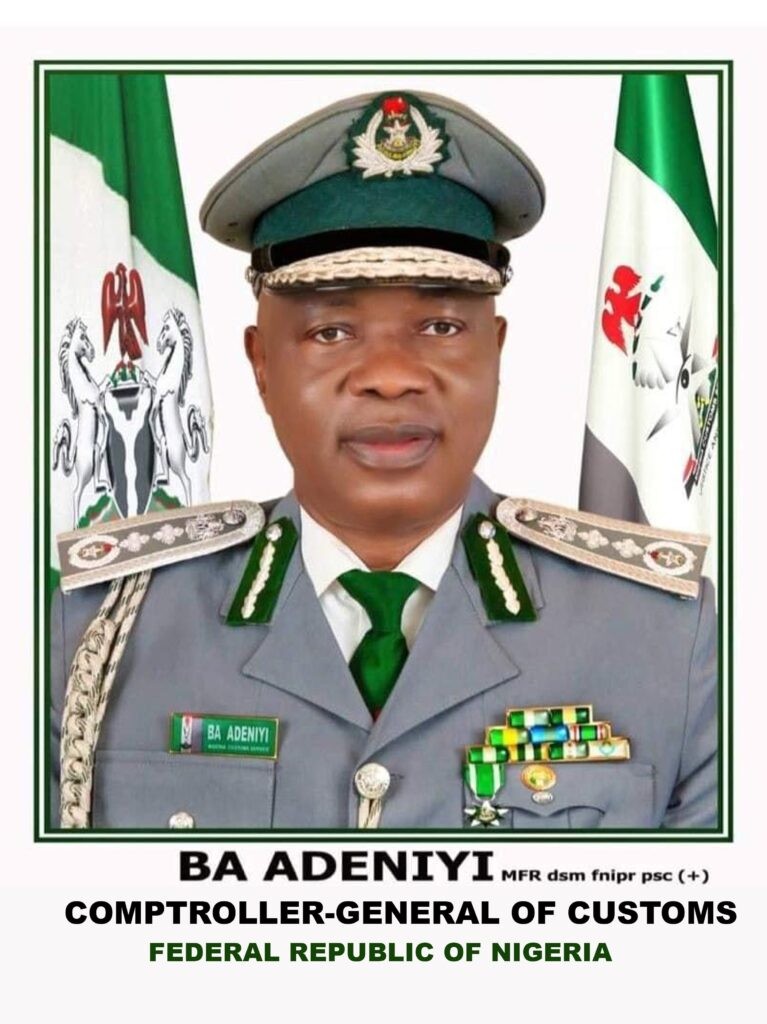
Having recently had his tenure extended by President Bola Tinubu until August 2026, Adeniyi is moving quickly to consolidate these gains.
One of the most anticipated projects on the horizon is the National Single Window (NSW) digital platform, which is expected to go live by the end of the second quarter of 2026.
This platform will act as a one-stop-shop, linking all border regulatory agencies into a single electronic interface.
The goal is to eliminate the need for traders to deal with multiple agencies separately, which has historically been a major source of corruption and delay.
The shift towards a “paperless” customs environment is also gaining momentum.
By mid-2026, the Service plans to have fully digital clearance and documentation processes in place.
This transition is about removing the human discretion that often leads to bottlenecks.
For the businesses already certified under the AEO program, the benefits are already clear: they have seen a 57.2 percent reduction in their operating costs and an incredible 90 percent drop in demurrage payments.
By rewarding “trusted traders” with priority lanes and reduced inspections, the Customs Service is creating a powerful incentive for every company in Nigeria to play by the rules and benefit from a more predictable business environment.
In addition to these structural reforms, the Customs Service has been busy improving its infrastructure and welfare systems.
Recently, CG Adeniyi commissioned a new 60-bed hospital in Bauchi, donated by the ASR Africa initiative, to serve officers and the local community.
The Service has also been active in the North East, strengthening security collaborations with the Nigerian Army to protect trade corridors from smuggling and insurgency.
As the 2026 revenue target of N9 trillion looms, the pressure is on to maintain this momentum.
However, with the success of the AEO scheme and the imminent launch of the Single Window, Nigeria, under President Bola Ahmed Tibubu’s care, is positioning itself as a far more competitive trade hub on the continent, finally aligning its port operations with global best practices.
FURTHER READING