- Sanwo-Olu Launches End TB Now Campaign as Lagos Advances Malaria Elimination
- Digitises 514 Private Providers, Records 5% Malaria Positivity Rate
- As Governor Reaffirms Health Security as Legacy Agenda
The Lagos State Government has intensified efforts to eliminate malaria and tuberculosis, placing digital innovation at the centre of its evolving health systems reform, Eko Hot Blog reports.
At a high level strategy meeting held at the Marriott Hotel in Ikeja, top government officials, national programme coordinators and private sector partners gathered to advance what was described as a dual disease elimination agenda.
EDITOR’S PICK
- Nigerian Mother Dies Hours After Arriving in UK for Son’s Graduation
- Dabiri-Erewa Unveils 2026 Diaspora Health Initiative to Strengthen Local Hospitals
- Ogun Police Begin Investigation After TikToker Alleges Assault
The event, organised in collaboration with Maisha Meds, was themed “Scaling Digital Health Innovations in Lagos, Leveraging Proven Private Sector Frameworks for National Health Security.”
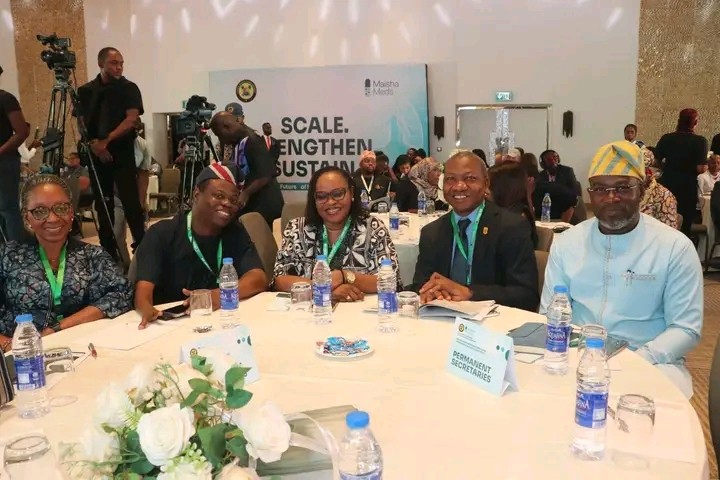
Governor Babajide Sanwo Olu, represented by the Secretary to the State Government, Barrister Abimbola Salu Hundeyin, reaffirmed the administration’s commitment to strengthening public health systems. He noted that malaria remains a leading cause of illness and mortality, particularly among women and children, but highlighted how digitising more than 400 private health facilities and improving care for over 18,000 patients have demonstrated the transformative power of technology in disease surveillance and case management.
He described the tuberculosis diagnostic scale up initiative as a bold step toward identifying undetected cases and strengthening patient linkage to care. According to him, the state’s broader vision is to build a proactive, data driven and digitally enabled health system where no community is invisible and no citizen is forgotten.
Commissioner for Health, Professor Akin Abayomi, described the meeting as both a milestone and the beginning of a more ambitious reform phase. He explained that Lagos now relies on two key indicators, malaria prevalence and test positivity rates, to guide policy decisions. Community surveys show malaria prevalence has declined from 15 percent in 2010 to 2.6 percent in 2022. However, health facilities continued reporting high malaria cases, creating what he termed a malaria paradox.
To address the gap, the state expanded surveillance into the private sector, where more than 60 percent of residents seek care. Over 500 facilities tested more than 77,000 fever cases in 2025 using validated rapid diagnostic tools. Once mandatory testing was enforced before treatment, malaria positivity dropped below one percent in March 2025 and remained between four and five percent during peak transmission months, confirming that approximately 95 percent of fever cases in Lagos are not malaria.
Through its partnership with Maisha Meds, Lagos digitised 514 community pharmacies and patent medicine vendors, enabling more than 80,000 diagnostic tests and establishing an integrated digital referral pathway for non malaria fever cases. These services have also been embedded within the Lagos State Health Management Agency care package to ensure financial sustainability.
On tuberculosis, Abayomi disclosed that Lagos accounts for nine percent of Nigeria’s TB burden, yet more than 66 percent of estimated cases remain undiagnosed annually. To bridge the gap, the state will deploy the PlusLife MiniDock, a portable non sputum molecular diagnostic platform, across its digitally enabled provider network.
The Commissioner also highlighted complementary reforms, including infrastructure upgrades, domestication of the National Health Insurance Authority Act, establishment of a University of Medicine and Health Sciences, and expansion of a public health information platform to digitise the health ecosystem.
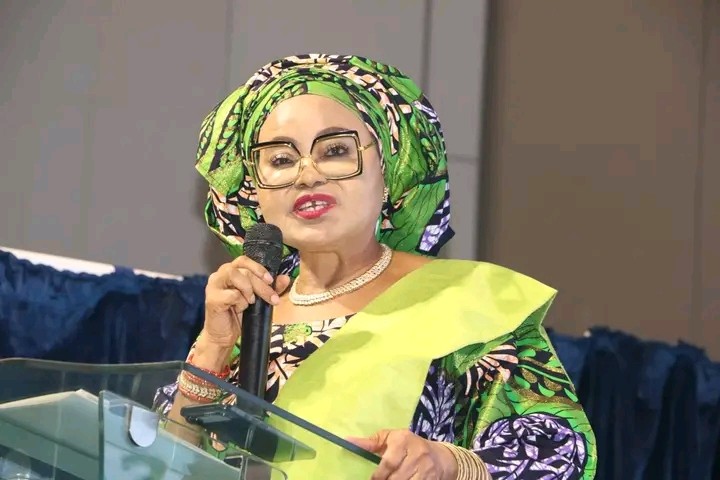
Representatives of the First Lady’s office, the Federal House of Representatives Committee on Infectious Diseases, and national disease control programmes commended Lagos’ data driven model and urged other states to adopt similar strategies.
A key moment at the event was the unveiling of the Tuberculosis Diagnostic Scale Up initiative tagged “End TB Now” by Governor Sanwo Olu, marking a new phase in the state’s integrated elimination strategy.
Officials described the initiative as a defining step in Lagos’ journey from malaria control to elimination and from facility based TB diagnosis to decentralised, technology enabled detection, reinforcing the state’s ambition to build a healthier, safer and future ready megacity.
FURTHER READING
- Alausa Unveils 14-Month Education Reform Scorecard Under NESRI Agenda
- Lagos Moves to Establish Sovereign Wealth Fund for Future Generations
- Lagos State Declares Permanent Ban on Unregulated ‘Korope’ Minibuses Along Lekki-Epe Expressway
Click here to watch video of the week