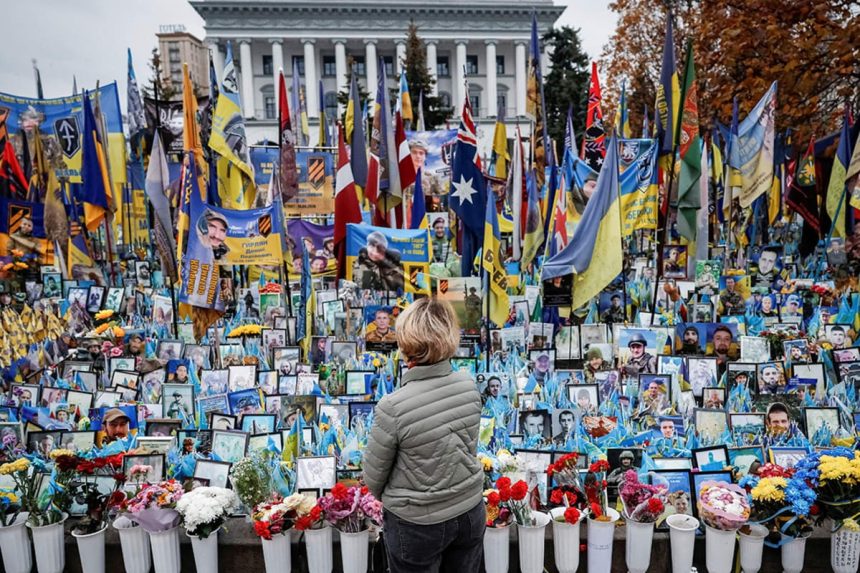
- Months later, Kolesnik and his neighbors rejoiced when Russian forces withdrew from the Kyiv region
- “We’re still standing, and that’s the most important thing in a fight,” he said, recalling his days in boxing
- Russian forces gained less than 5,000 square kilometers last year, a fraction of the country’s total territory
Hennady Kolesnik, a 71-year-old retired welder, never imagined the Russian invasion would drag on for four years.
“These have been the worst and longest years of my life,” Kolesnik told Al Jazeera, reflecting on the conflict that began on February 24, 2022, Eko Hot Blog gathered.
EDITOR’S PICK
- Grand Wedding Reception: Halimot, Saheed Mark Their Union
- Ikosi-Ejinrin LCDA Celebrates Former Chairman, Hon. Segun Adetola, on Birthday
- Sanwo-Olu Flags Off Free Eye Screening for 1,000 Lagos Police Officers
In the early days, fear gripped Kyiv and much of eastern Ukraine, with tens of thousands of Russian troops advancing north of the capital. Kremlin-backed sources confidently claimed Kyiv would fall in “three days.”
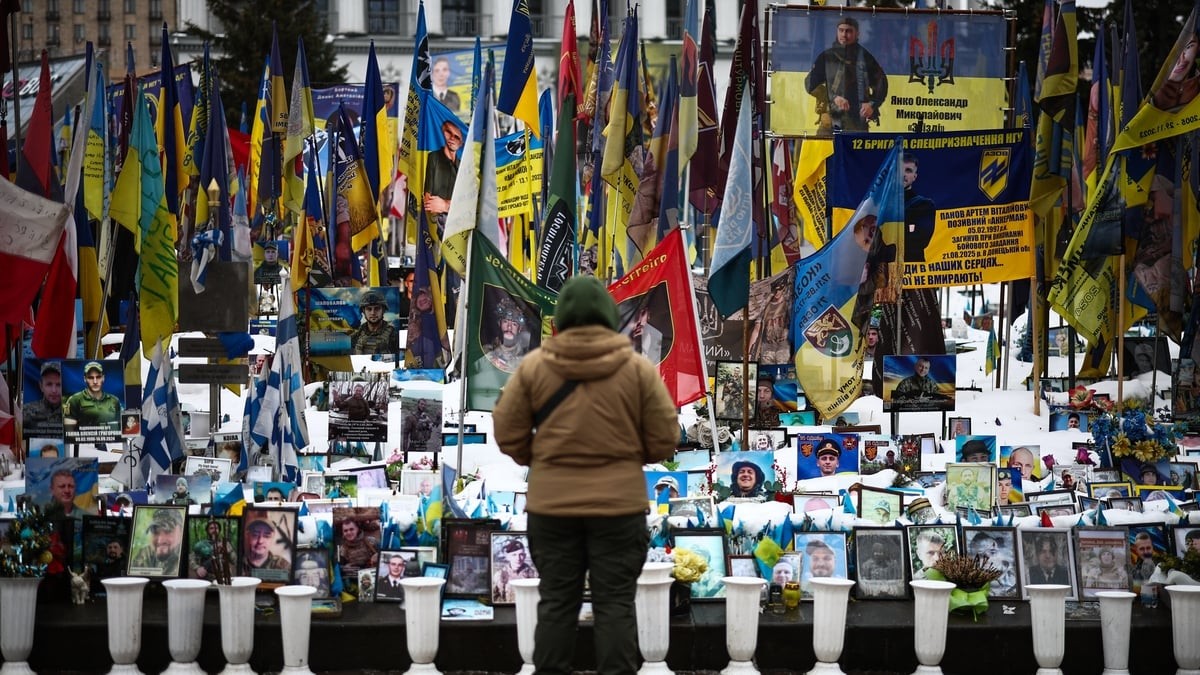
Months later, Kolesnik and his neighbors rejoiced when Russian forces withdrew from the Kyiv region.
Now recovering from pneumonia, which he battled amid days without power and central heating during bitter -23°C cold spells, Kolesnik remains resilient.
“We’re still standing, and that’s the most important thing in a fight,” he said, recalling his days in boxing. His wife, Marina, 70, echoed his sentiments: “Nobody expected us to last this long, and yet we are still here.”
Despite Ukraine’s counteroffensive in 2023, Moscow’s supply line connecting western Russia to annexed Crimea remains intact.
Russian forces gained less than 5,000 square kilometers last year, a fraction of the country’s total territory, leaving Moscow in control of about 19 percent of Ukraine.
“The front line resembles the static trenches of World War I,” said Nikolay Mitrokhin of Bremen University. “Russia lacks the manpower and technology for a decisive advance, though thousands of lives are still at risk.”
Complicating Moscow’s operations, Elon Musk’s SpaceX disabled smuggled Starlink terminals used by Russian troops, while Telegram restrictions disrupted communications. Ukrainian forces reclaimed roughly 200 square kilometers in the Zaporizhia and Dnipropetrovsk regions.
Yet, in southeastern Donetsk, Russian drones equipped with fiber-optic links that resist jamming have reached fortified towns. Local soldiers report increasing power outages and civilian panic, as Moscow pressures Kyiv to surrender key areas.
Experts warn that continued attacks on Ukraine’s energy infrastructure could test the nation’s resilience. According to a late-January survey by the Kyiv International Sociology Institute, 88 percent of Ukrainians believe Russian strikes aim to force surrender, yet two-thirds insist their military must fight “as long as it takes.”
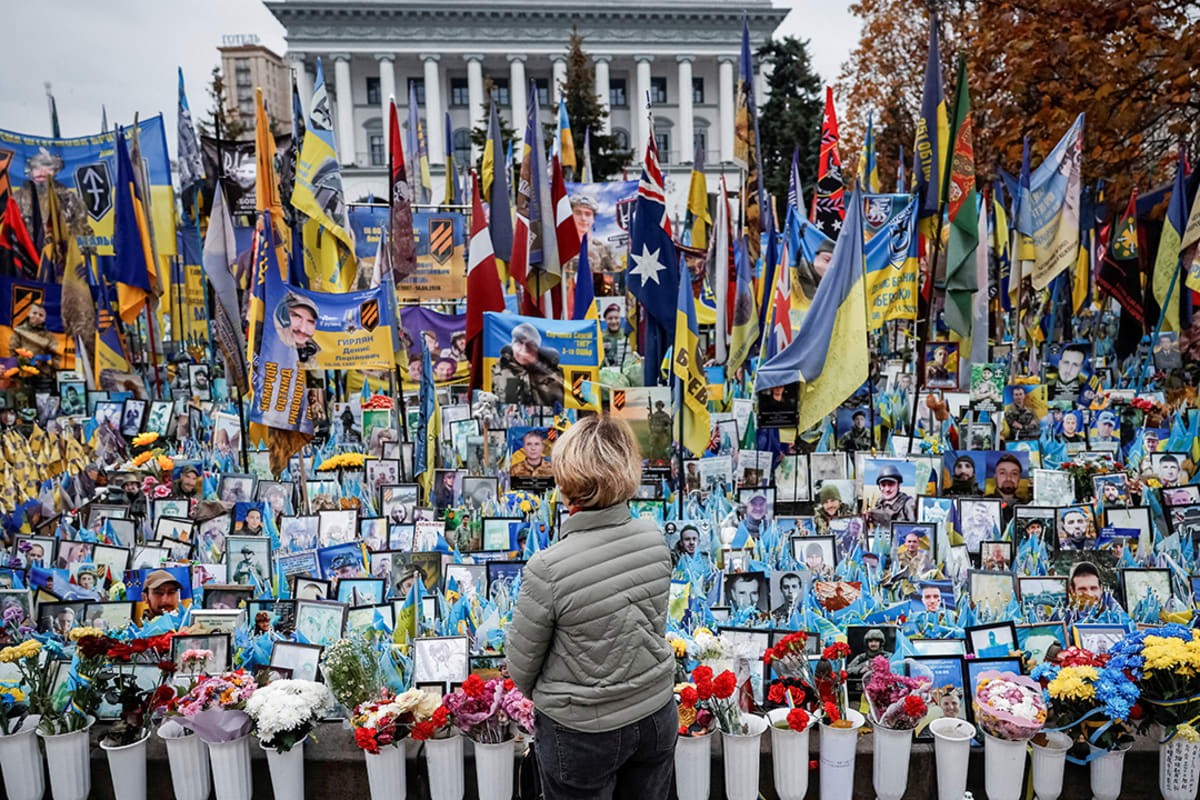
Psychologists note rising depression, anxiety, and chronic stress, but highlight the population’s ability to adapt. Many Ukrainians remain hopeful about the future: while only 20 percent expect the war to end this year, two-thirds believe Ukraine will thrive as a European Union member within the next decade.
“This is the literal realization of ‘prepare for the worst, hope for the best,’” said Svetlana Chunikhina of the Association of Political Psychologists. Yet she warns that cynicism, fueled by prolonged hardship, could undermine morale.
Meanwhile, international promises remain unfulfilled. Former U.S. President Donald Trump’s pledge to end the war “in 24 hours” has not materialized.
In Russia, pro-Kremlin voices continue framing the invasion as a defense of Russian-speaking Ukrainians, claiming the conflict began in 2014 with Crimea’s annexation.
FURTHER READING