- Residents Decry Exploitative Rent Increases Across Lagos
- Rent Hikes Push Low Income Earners to the Brink
- Michael Abiodun, who sells phone accessories, said he was given barely two weeks to meet a new rent demand
Residents of Lagos are raising fresh concerns over what they describe as an alarming surge in rent across the state, with many tenants paying between N1.5 million and N2.5 million annually for modest rooms and self contained apartments that lack basic facilities, Eko Hot Blog reports.
Across several neighbourhoods, accommodation costs have climbed steeply, even as access to potable water, proper sanitation, steady electricity and effective waste disposal remains poor.
EDITOR’S PICK
- Six Final-Year Nursing Students Die in Kwara Auto Crash
- Sanwo-Olu Pledges to Position Lagos as Global Investment Hub
- File 2026 Tax Returns Now, LIRS Tells Lagos Residents
For low and middle income earners already battling inflation and high transport fares, housing is fast becoming the heaviest financial burden.
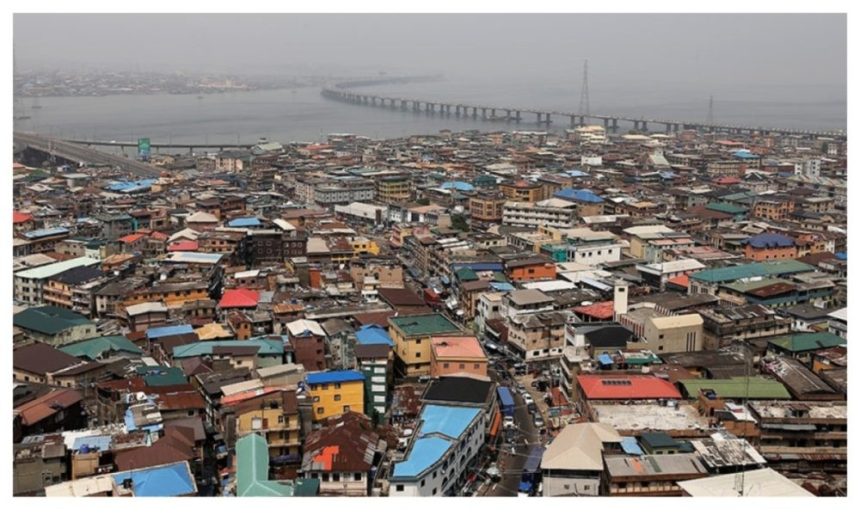
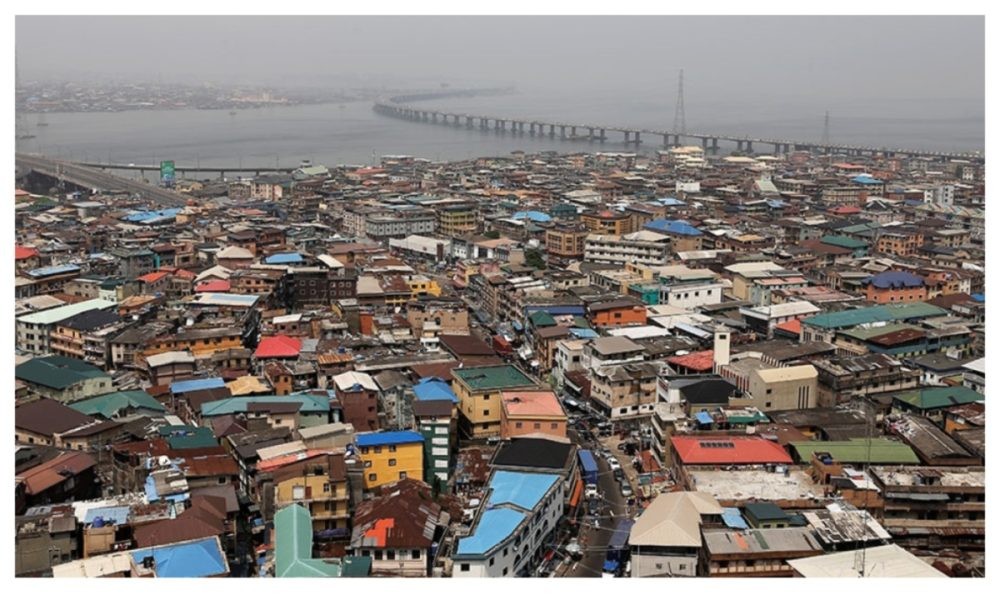
From mainland communities to growing suburbs such as Ikorodu and Ajah, tenants report abrupt rent hikes, additional charges and worsening living conditions. In many compounds, leaking roofs, cracked walls, poor drainage systems and shared toilets are common realities.
Residents say the most painful aspect is the widening gap between rent and quality. Single rooms in crowded compounds are now priced at rates once associated with full apartments. Many tenants depend on water vendors, manage irregular power supply and endure flooding during the rainy season.
Mrs Funke Olamide, a trader in Ikorodu, told DAILY POST that the rent she pays does not reflect basic human dignity.
“I pay N900,000 yearly for just one room. There is no running water, and when it rains, the compound floods. If you complain, you are told to leave. Sometimes it feels like we are paying simply because we have no other choice,” she said.
Adeyemi, a commercial driver, described the experience as degrading.
“We share one toilet among many tenants, and most times it is faulty. The roof leaks, yet every year the rent goes up. It feels like tenants are suffering in silence,” he said.
Another major grievance is the frequency of rent increases. Tenants say hikes of 60 to 80 per cent are often announced at the point of renewal, with little or no notice. In most cases, no renovation or improvement accompanies the increment.
Tunde Babalola, a 51 year old private school teacher, said rent consumes nearly all his income.
“I earn N120,000 monthly, but my annual rent is N750,000. After transport and feeding, nothing remains. Sometimes I postpone medical treatment because I cannot afford it. Rent has become a lifelong burden,” he lamented.
Funmilayo Bidemi, a single mother, said rent renewal periods leave her anxious.
“Anytime my rent is about to expire, I lose sleep. I start thinking of who to borrow from. Even my children feel the pressure because we cut down on food and other needs just to meet rent,” she said.
Business owners are not spared. In commercial areas such as Yaba and Mushin, traders say landlords are imposing sharp increases without warning.
Sola Ibrahim, a tailor in Yaba, said his shop rent jumped from N200,000 to N550,000 without any improvement to the premises.
“They just said things are expensive. But we tenants are also facing the same economy. It feels like all the hardship is being transferred to us,” he said.
Michael Abiodun, who sells phone accessories, said he was given barely two weeks to meet a new rent demand.
“There is no protection for tenants. If you cannot pay, you are asked to leave,” he added.
Observers attribute the rising rents to multiple factors, including increased construction costs, population growth and limited affordable housing supply. The removal of fuel subsidy has also raised transportation and logistics costs, indirectly affecting building and maintenance expenses.
Many landlords continue to demand one or two years rent upfront, despite public criticism of the practice. Although the Lagos State Government has previously warned against exploitative rent demands, tenants argue that enforcement remains weak.
As pressure mounts, some residents are relocating to neighbouring states such as Ogun State, where rents are comparatively lower.
Blessing Nwankwo, a 25 year old hairstylist, said she is considering leaving Lagos despite her customer base being in the city.
“What I pay for a single room here can get me a two bedroom flat in Ogun. I love Lagos, but the cost of living is choking. It is becoming a city only for the rich,” she said.
Agada Peter, a technician who recently moved his family out of Lagos, now commutes daily.
“I work in Lagos but cannot afford to live here with my family. Housing has become a luxury instead of a basic need,” he said.
Efforts to obtain an updated response from government officials on rent control and enforcement measures were unsuccessful as of the time of filing this report.
FURTHER READING
- Tinubu Orders Withdrawal of Export Waivers on Raw Shea Nuts
- Crush Criminal Elements, President Tinubu Directs New Acting IGP
- Police Must End Abuse of Power – New IGP Tunji Disu
Click here to watch video of the week