- Electricity Costs, Bad Power and Nigeria’s Slow Economic Strain
Nigeria’s economy is showing signs of wear that most people don’t yet talk about publicly. It isn’t inflation alone, nor currency swings.
An issue quietly squeezing productivity and rising business costs is the country’s unstable electricity system. The latest developments including a major power debt settlement and rising tariffs show the problem is now threatening broader economic stability.
EDITOR’S PICKS
- Teenagers Attempt Bomb Attack At Maiduguri Teaching Hospital
- APC Elects New National Executives, Full List Emerges
- Why I Resigned As Kano Deputy Governor – Gwarzo
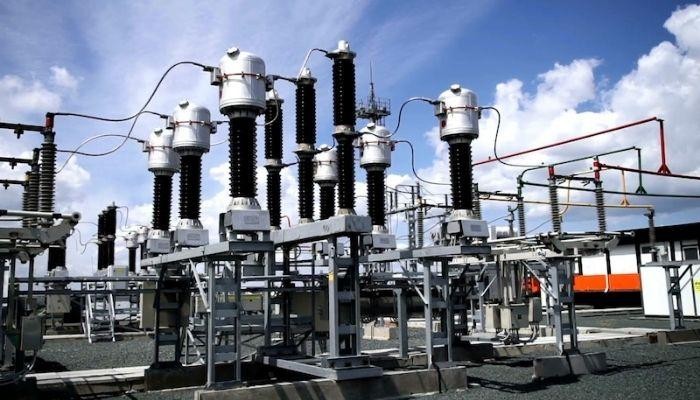
Nigeria’s electricity system has suffered from weak supply for years. Even with installed capacity above 13,000 megawatts, actual generation often struggles below 4,500 megawatts because of gas shortages, infrastructure problems, and payment gaps in the value chain. That means many homes and businesses get little or no reliable power, forcing them to depend on private generators or solar systems that ultimately raise their costs.
In late March, President Bola Tinubu approved a ₦3.3 trillion plan to clear years of unpaid bills owed to power generators and gas suppliers. The government said the move is meant to restore liquidity in the system and improve supply. But clearing old debts does not fix the weaknesses that created those debts in the first place.
Industry leaders are now pushing for a review of tariffs after the Federal Government raised the domestic base price of gas used to generate electricity. Generation companies argue that without adjusting tariffs to reflect the new cost of gas, they will struggle to stay afloat. They say gas should be treated as a “pass-through cost,” meaning any increase in what they pay for gas must be reflected in what consumers pay for power.
Yet, many Nigerians are already questioning the logic of higher tariffs when supply remains spotty. For households and businesses that rarely get consistent power from the grid, paying more without seeing better service feels unreasonable. After all, it is one thing to pay higher prices for reliable fuel; it is another to pay more for something that does not arrive regularly.
This tension between cost and reliability matters because it shows how electricity is increasingly becoming a burden rather than a utility that supports productivity. Small and medium-sized businesses which make up a large share of jobs and GDP are especially affected. When a bakery, workshop, or cold storage facility loses hours of productive time daily, that loss of output adds up over weeks and months.
Some observers argue that the government’s debt clearance plan is a step in the right direction, but it must be paired with changes across the entire power chain. Merely injecting money into the system without fixing transparency problems, improving metering, and strengthening billing systems will only reset the stage for the same issues to return.
There is also the issue of payment discipline. Generation companies have raised concerns that even with higher tariffs, poor payment collection by distribution companies and end users could undermine the sector’s financial stability. If tariffs increase but cash flows remain irregular, the sector will cycle back to debt.
This explains why many businesses no longer trust the grid. Many have moved toward solar systems or hybrid setups because they need dependable power to complete contracts, pay wages, and keep machines running. This shift has a ripple effect: when more users disconnect from the grid, the pool of paying customers shrinks, placing more pressure on tariffs and weakening confidence further.
The broader economy feels this strain in several ways. Manufacturers report reduced output because of high energy costs and frequent outages. Services such as data centres, clinics, and schools face similar challenges.
Every time a business switches to generators, operating costs go up, which often gets passed on to consumers through higher prices for goods and services.
These issues are not easy to solve. They crisscross regulatory gaps, infrastructure shortfalls, and market realities. But one thing is becoming clearer: electricity in Nigeria is no longer just a utility.
It is a factor shaping business decisions, family budgets, and economic expectations.
Unless meaningful changes happen from clear pricing structures to improved payment systems and reliable supply electricity will continue to be a cost centre for the economy rather than a driver of growth.
FURTHER READING
- US To Deport 130 Nigerians Convicted Of Crimes
- Nigerian Students, Residents Allege Racial Profiling And Brutality in India
- TJ Abass Leads Tribute to Epe’s Political Martyrs – 11 Years On