- Nigeria Begins Major Transmission Line Upgrade to Strengthen Power Supply
- Federal Government approves ₦3.3 trillion debt settlement to ease sector pressures.
- Grid collapses and payment issues show power reliability remains weak.
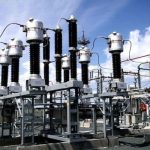
The Transmission Company of Nigeria has started work to expand the national grid by rebuilding and upgrading the 138‑kilometre Alaoji–Onitsha 330 kV transmission line as part of efforts to strengthen electricity supply in the South‑East.
EDITOR’S PICKS
- Teenagers Attempt Bomb Attack At Maiduguri Teaching Hospital
- APC Elects New National Executives, Full List Emerges
- Why I Resigned As Kano Deputy Governor – Gwarzo
EKO HOT BLOG reports that the project, being implemented with support from the African Development Bank, involves acquiring and clearing the Right of Way under a Resettlement Action Plan, the company said in a statement on Monday. It will replace the existing single‑circuit line with a 330 kV double‑circuit quad‑conductor transmission line, which is expected to boost the grid’s capacity and improve delivery efficiency.
Aromeh Adole, Assistant General Manager, Health, Safety and Environment at the AfDB Project Unit, said the upgrade would significantly increase transmission capacity. “The existing line is a single circuit, while the new line will deliver four times that capacity, fundamentally transforming bulk power delivery in the South East,” he said.
Compensation payments to Project Affected Persons were made between March 31 and April 2, 2026 for communities along the transmission corridor in Abia and Imo states. Eight Local Government Areas fall within the affected areas. Beneficiaries have been given 90 days to vacate the Right of Way following the compensation payments.
Engr. Edeh Obiora Alexander, Acting Project Manager for the Nigeria Transmission Expansion Project under the TCN‑AfDB Project Unit, said the Federal Government provided counterpart funding to ensure fair and prompt compensation. He also commended the Managing Director of TCN, Engr. Sule Abdulaziz, for leadership that enabled the project’s commencement and thanked President Bola Tinubu for approving the timely release of funds.
The transmission upgrade is expected to be completed within 18 months.
According to TCN, the upgraded line will improve electricity supply to the Alaoji and Port Harcourt axes, Abia State, and the wider South‑East region. The shift to double‑circuit quad conductors is also expected to reduce transmission losses and strengthen grid reliability. The company said the project is part of its broader strategy to expand the national grid and deliver more stable electricity to industrial and residential areas across the country.
However, Nigeria’s power sector continues to face deep‑rooted challenges. The Federal Government recently approved a ₦3.3 trillion payment plan to settle long‑standing debts in the electricity industry. A statement by the Special Adviser to the President on Information and Strategy, Bayo Onanuga, said the decision followed a review of legacy debts accrued between February 2015 and March 2025 under the Presidential Power Sector Financial Reforms Programme.
“Following verification, ₦3.3 trillion has been agreed as a full and final settlement, ensuring a fair and transparent resolution,” the statement said. According to the government, 15 power generation companies have already signed settlement agreements worth ₦2.3 trillion, while ₦501 billion has been raised to fund the programme, with ₦223 billion disbursed so far.
Persistent infrastructure weaknesses, poor payment discipline, and technical losses continue to undermine the sector. The national grid experienced two major collapses within five days in January 2026, on January 23 and January 27, causing widespread blackouts. These problems have kept electricity supply unstable and unreliable for many businesses and households.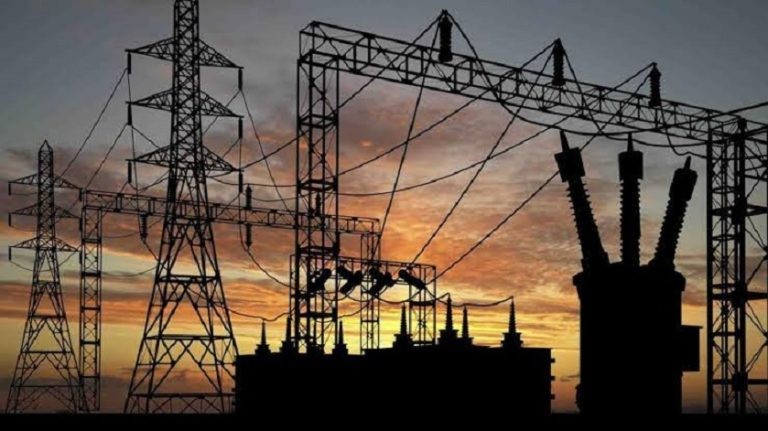
The transmission line upgrade represents a strategic investment in the grid, but analysts say it must be paired with broader reforms in operations, metering, billing, and payment systems to translate infrastructure gains into tangible improvements for electricity consumers nationwide.