- Despite the agreement, many residents remain doubtful about the decision to halt hostilities
- A student in Nahariya voiced disappointment, saying authorities had promised a different outcome this time
- Critics view the move as another instance of Israel yielding to pressure from the United States
As news of a ceasefire spread across northern Israel, warning sirens sounded repeatedly, signaling incoming rockets from Lebanon just hours before the truce began.
In the northern city of Nahariya, Eko Hot Blog gathered that Israel’s air defense systems intercepted the projectiles mid-air, causing loud blasts across the skyline.
EDITOR’S PICK
- Interior Ministry Orders Immediate Deactivation of Passports for Former Citizens
- Iran Sets Conditions as US Warns Ahead of Talks
- 7 Things People Over 50 Should Do Every Morning for Better Health
Emergency responders reported that at least three people were injured by shrapnel during the final exchanges, with two in critical condition.
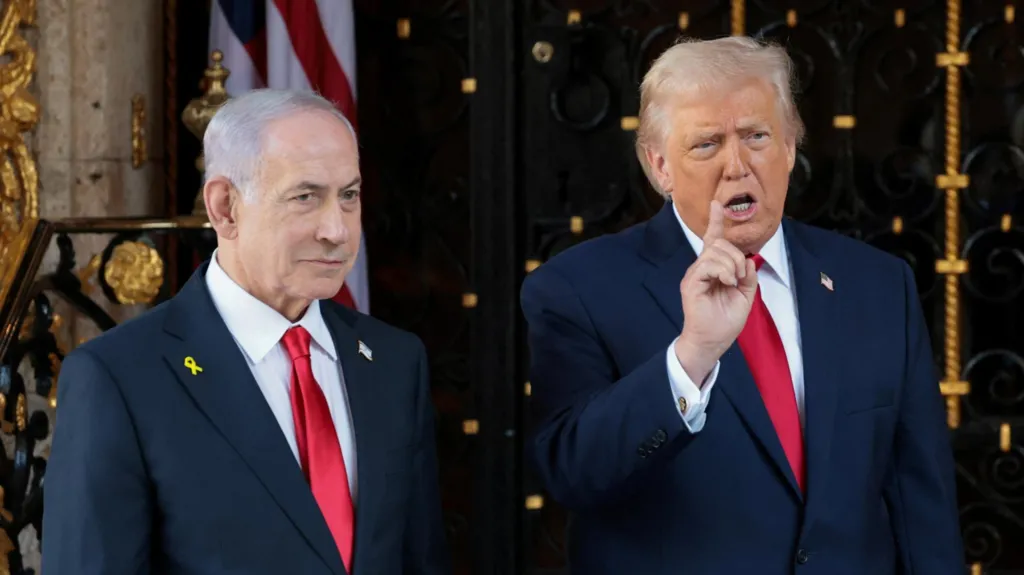
Despite the agreement, many residents remain doubtful about the decision to halt hostilities. Some questioned why the government agreed to a ceasefire at this stage, expressing frustration over what they see as a recurring cycle of conflict without lasting solutions.
A student in Nahariya voiced disappointment, saying authorities had promised a different outcome this time. Others, like a truck driver whose home was previously damaged in a rocket attack, argued that military operations should have continued, insisting that previous agreements with Lebanon failed to address the threat posed by Hezbollah.
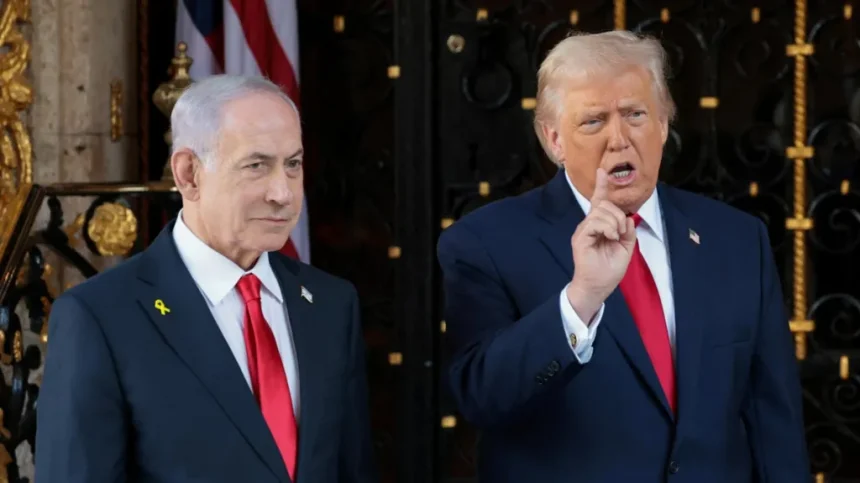
The announcement reportedly caught many off guard, including members of Israel’s own leadership. Local media indicated that Prime Minister Benjamin Netanyahu called a security cabinet meeting with very little notice, and ministers were not given an opportunity to vote on the ceasefire.
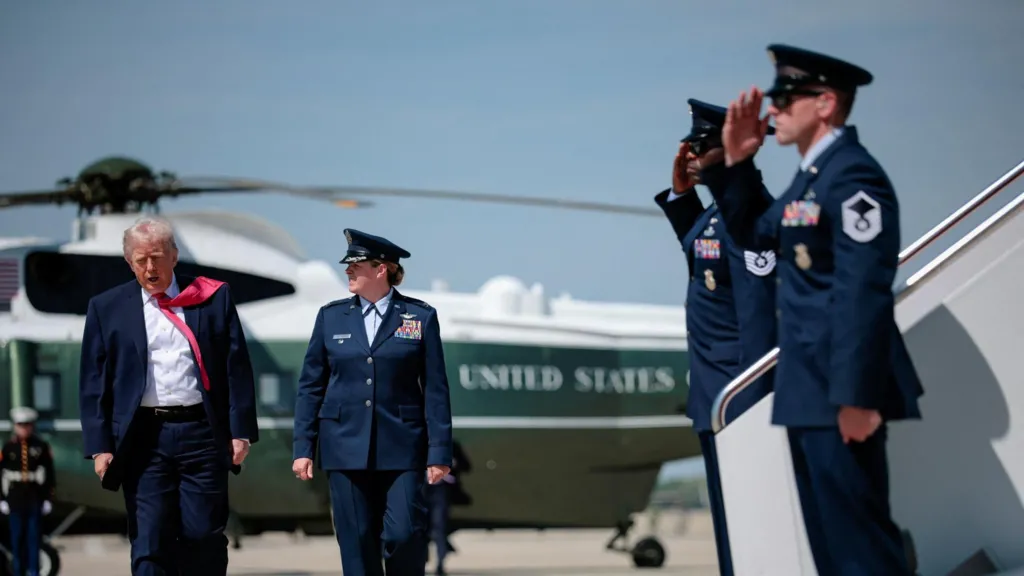
Critics view the move as another instance of Israel yielding to pressure from the United States. Some political figures argue that Israel has struggled to translate battlefield gains into meaningful diplomatic results, pointing to a pattern of externally influenced ceasefires.
While Netanyahu described the agreement as a potential step toward a broader peace arrangement with Lebanon, he stressed that Israel had not accepted key demands from Hezbollah, including a full withdrawal of Israeli forces or a mutual cessation of hostilities.
He maintained that Israeli troops would remain in a reinforced security zone inside southern Lebanon.
The ceasefire also comes amid broader regional tensions. Iran, which backs Hezbollah, has been pushing for an end to Israeli operations in Lebanon following its own temporary truce with the United States.

President Donald Trump has indicated that efforts are underway to ease tensions between Israel and Lebanon, particularly as negotiations with Iran remain uncertain.
Recent polling suggests that a large portion of the Israeli public supports continued military action against Hezbollah, and many oppose broader ceasefire arrangements linked to U.S.-Iran diplomacy.
Local officials in northern Israel have also criticized the agreement, arguing that communities most affected by the conflict are being overlooked. They warn that while political deals may be made abroad, the consequences are felt by civilians living near the border.
Under the terms of the ceasefire, Israel retains the right to respond to any perceived threats, similar to previous agreements where military actions continued despite formal truces.
For many Israelis, the latest ceasefire is not seen as a lasting resolution but rather another pause in a prolonged conflict, one shaped not only by regional dynamics but also by international influence.
FURTHER READING