- Russia and Ukraine have committed to a brief cessation of hostilities for Orthodox Easter, scheduled to begin Saturday afternoon and last through Sunday.
- The Kremlin has directed its military to halt operations in all directions starting at 4:00 pm (1300 GMT) on Saturday, a directive President Zelensky has indicated Kyiv is willing to reciprocate.
- Despite the agreement, fatal strikes were reported in Ukraine’s Odessa, Poltava, and Sumy regions just hours before the truce was set to take effect.
A 32-hour ceasefire is set to commence today, Saturday, April 11, 2026, as both Russia and Ukraine pause major military operations to observe the Orthodox Easter holiday.
Eko Hot Blog reports that the Kremlin announced the order following instructions to Defense Minister Andrei Belousov and Army Chief Valery Gerasimov to cease hostilities until the end of Sunday.
EDITOR’S PICKS
- Judge Frees 37 Inmates Over Prolonged Detention in Akwa Ibom
- Trump Threatens Iran Over Energy Attacks
- Tinubu Excludes Kemi Badenoch from UK State Visit Itinerary
While President Volodymyr Zelensky confirmed Ukraine’s readiness to participate, the move is seen as a humanitarian gesture rather than a breakthrough in broader peace negotiations, which currently remain deadlocked.
The announcement comes at a time when international diplomatic attention has largely shifted toward the escalating conflict in the Middle East.
US-led talks aimed at ending the four-year-old war in Ukraine have stalled, with Moscow maintaining demands for territorial concessions that Kyiv continues to reject.
Despite the pause on the front lines, the human cost remains high; Ukrainian regional authorities reported several deaths and injuries from Russian drone and missile strikes in the hours leading up to the Saturday afternoon deadline.
On the battlefield, recent analysis from the Institute for the Study of War (ISW) suggests a general slowdown in Russian advances since late 2025.
While Moscow currently occupies approximately 19% of Ukrainian territory, Kyiv has managed to regain ground in the southeast.
Experts attribute the recent Russian military deceleration to several factors, including the loss of Starlink satellite access and domestic efforts within Russia to restrict specific communication platforms like Telegram.
However, the situation remains precarious for Ukrainian forces in the Donetsk region, particularly around the strategic cities of Kramatorsk and Sloviansk.
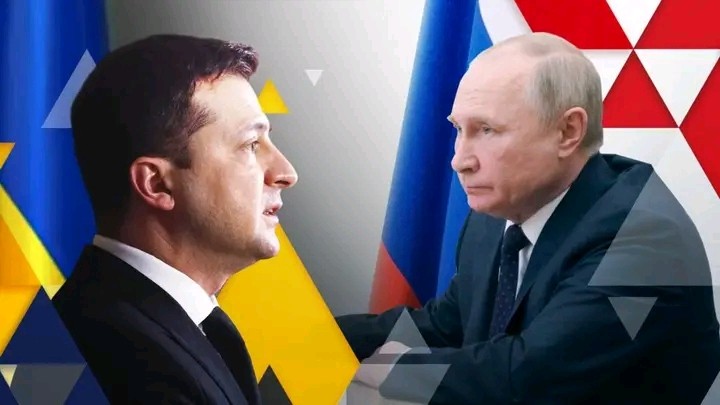
This temporary truce mirrors a similar observation held during Orthodox Easter last year.
While it offers a brief respite for civilians and soldiers alike, Kremlin spokesperson Dmitry Peskov clarified that the pause was not a result of formal negotiations with Ukraine or the United States.
As the 32-hour window begins, the world watches to see if the guns will truly fall silent in what has become Europe’s deadliest conflict since World War II.