- She explained that disruptions to supply chains and damage to infrastructure are contributing to rising prices
- He emphasized that the country is not considering taking on additional financial obligations from the IMF at this time
- Georgieva also disclosed that the IMF is preparing a financial support package estimated to range from $20bn to $50bn
Federal Government has stated that it does not intend to seek financial assistance from the International Monetary Fund, despite the institution’s plan to make between $20bn and $50bn available to support struggling African economies.
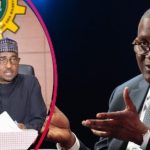
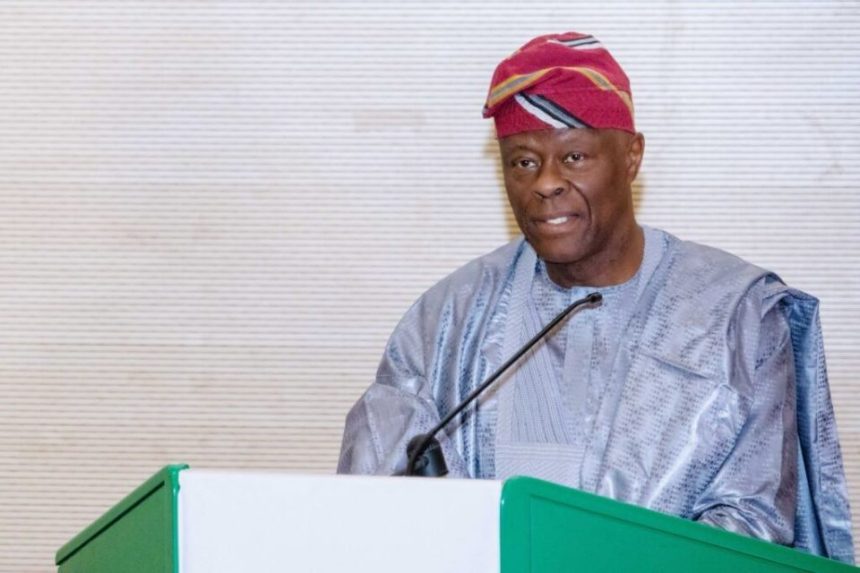
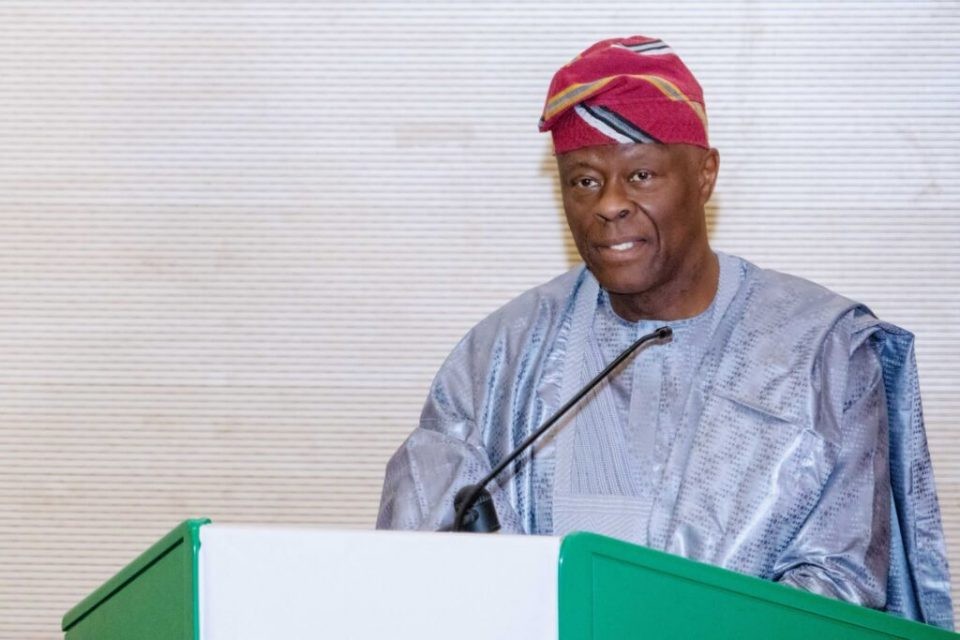
Eko Hot Blog gathered that Minister of Finance and Coordinating Minister for the Economy, Wale Edun, made this known during a press briefing at the ongoing Spring Meetings of the World Bank and IMF in Washington, D.C.
EDITOR’S PICK
- Interior Ministry Orders Immediate Deactivation of Passports for Former Citizens
- Iran Sets Conditions as US Warns Ahead of Talks
- 7 Things People Over 50 Should Do Every Morning for Better Health
He emphasized that the country is not considering taking on additional financial obligations from the IMF at this time.
Earlier, IMF Managing Director Kristalina Georgieva had encouraged countries facing economic strain to act quickly when seeking financial support, noting that delays could worsen their situations.
She explained that early intervention helps limit economic damage and stabilizes vulnerable economies more effectively.
Georgieva also disclosed that the IMF is preparing a financial support package estimated to range from $20bn to $50bn.
According to her, the funding would address both existing economic challenges and new pressures affecting at least a dozen countries, many of which are in Sub-Saharan Africa.
When asked whether Nigeria would tap into this facility, Edun firmly ruled out the possibility for now, stating that the government has no plans to approach the IMF for borrowing.
However, he stressed that African countries currently require additional support due to external pressures, particularly the ongoing crisis in the Middle East.
He noted that although African nations are not responsible for the conflict, they are among the most affected, facing increased risks to economic stability, growth prospects, job creation, and poverty reduction.
Edun pointed out that oil-importing countries in Africa are especially vulnerable and should receive targeted assistance during this period.
Georgieva had earlier observed that many of the nations hardest hit by the Middle East crisis are located in Sub-Saharan Africa. She said the IMF is working to identify countries in urgent need of assistance during the current meetings.
She also underscored the importance of sound fiscal management, advising governments to build economic buffers during stable periods to better withstand future shocks.
According to her, African finance ministers and central bank governors who met with the IMF recently did not request immediate financial aid but instead sought policy advice. Nonetheless, she reiterated that countries should not hesitate to seek funding if the need arises.
Georgieva further highlighted the broader economic consequences of the Middle East conflict, noting its significant impact on global economies.
She explained that disruptions to supply chains and damage to infrastructure are contributing to rising prices and slower global growth.
The IMF projects that global economic growth could decline from 3.4 percent last year to about 2.1 percent by 2026. She warned that prolonged conflict and sustained high oil prices could worsen the situation.
In a more severe scenario, global growth could drop to around 2 percent, with the effects felt worldwide. She added that countries dependent on energy imports—many of them low-income or fragile economies, are likely to face the greatest challenges.
FURTHER READING