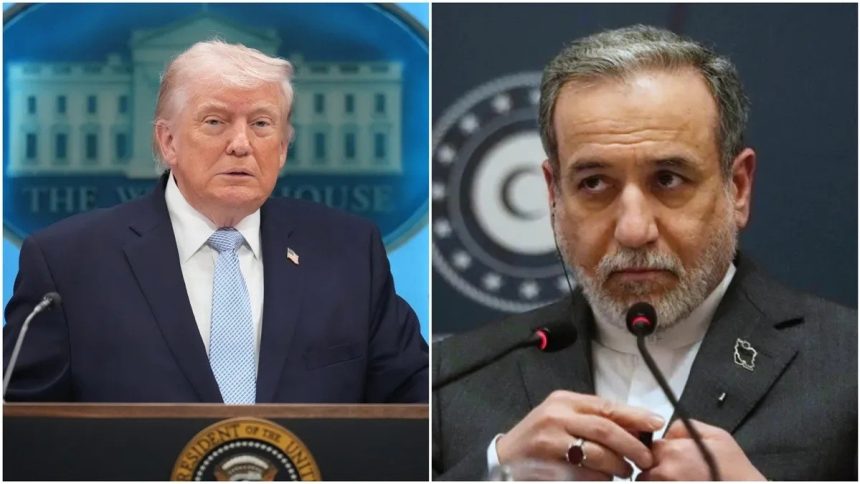
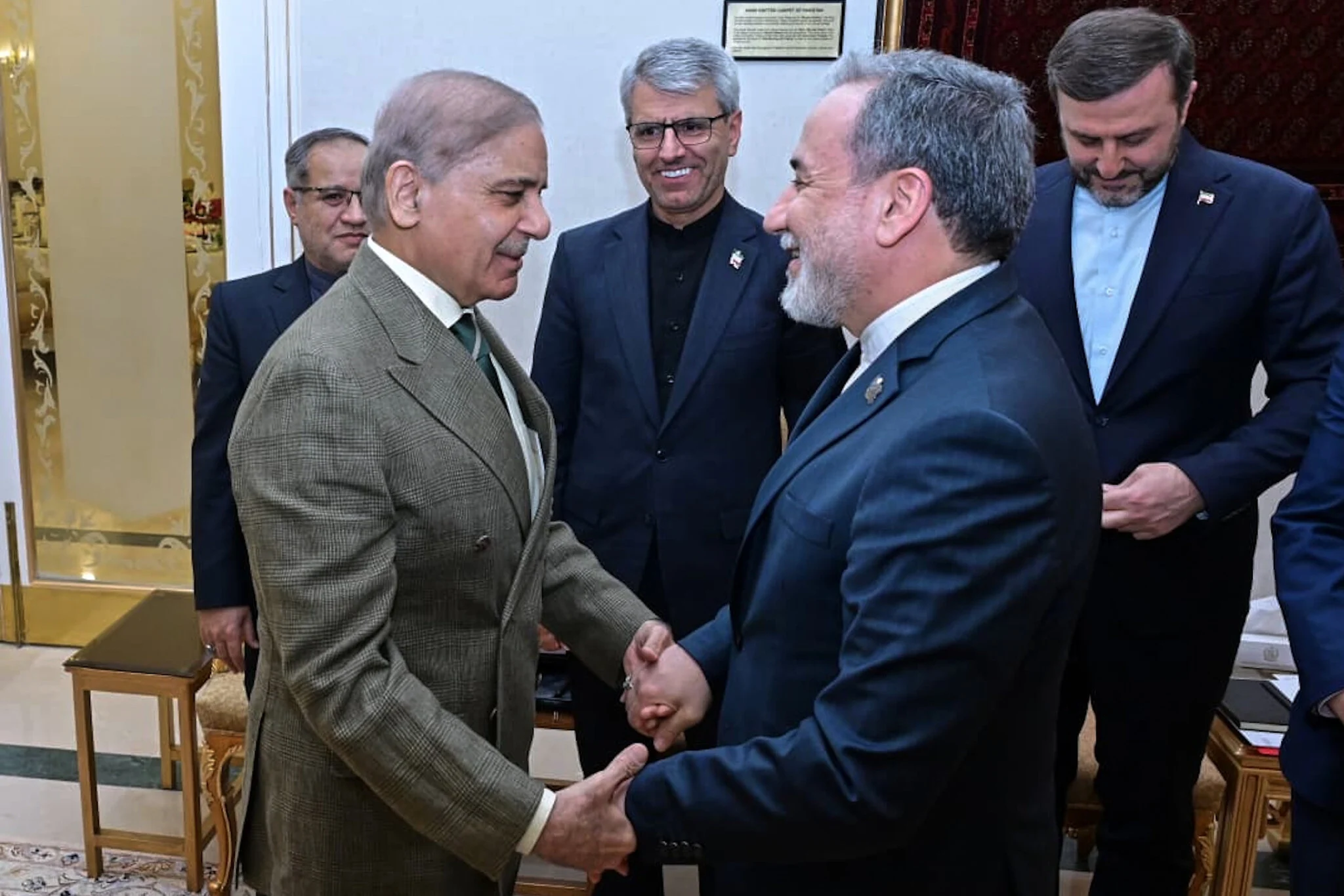
Pakistan’s Prime Minister Shehbaz Sharif has said that the United States and Iran have reached a framework agreement aimed at ending their ongoing conflict, with an initial signing expected within the next day.
Eko Hot Blog gathered that Sharif stated that Pakistan has been helping facilitate discussions and is preparing for an electronic signing ceremony, which would be followed by technical negotiations in the coming week.
EDITOR’S PICK
- Federal Lawmaker Yaya Tongo Dies In Abuja Hospital
- Rep. Wale Raji Celebrates Alhaja Aduke Salimot Seriki on Birthday
- Nancy Isime Recalls Alex Ekubo’s Fearless Humor, Generosity at Late Actor’s Tribute
He described the development as a major breakthrough and expressed optimism that it could lay the groundwork for lasting peace in the region.
Officials from both Washington and Tehran have also indicated progress in the talks, with reports suggesting that a draft agreement has already been finalised and is awaiting formal approval.
The conflict began in late February after military strikes involving the U.S. and Israel targeted Iran, triggering retaliatory attacks and widening tensions across the region, including involvement from Iran-aligned groups.
The fighting has caused heavy casualties, particularly in Iran and Lebanon, and contributed to rising global oil prices and instability in energy markets.
Sources familiar with the negotiations say the proposed deal includes reopening key maritime routes such as the Strait of Hormuz and easing restrictions on Iranian port operations.
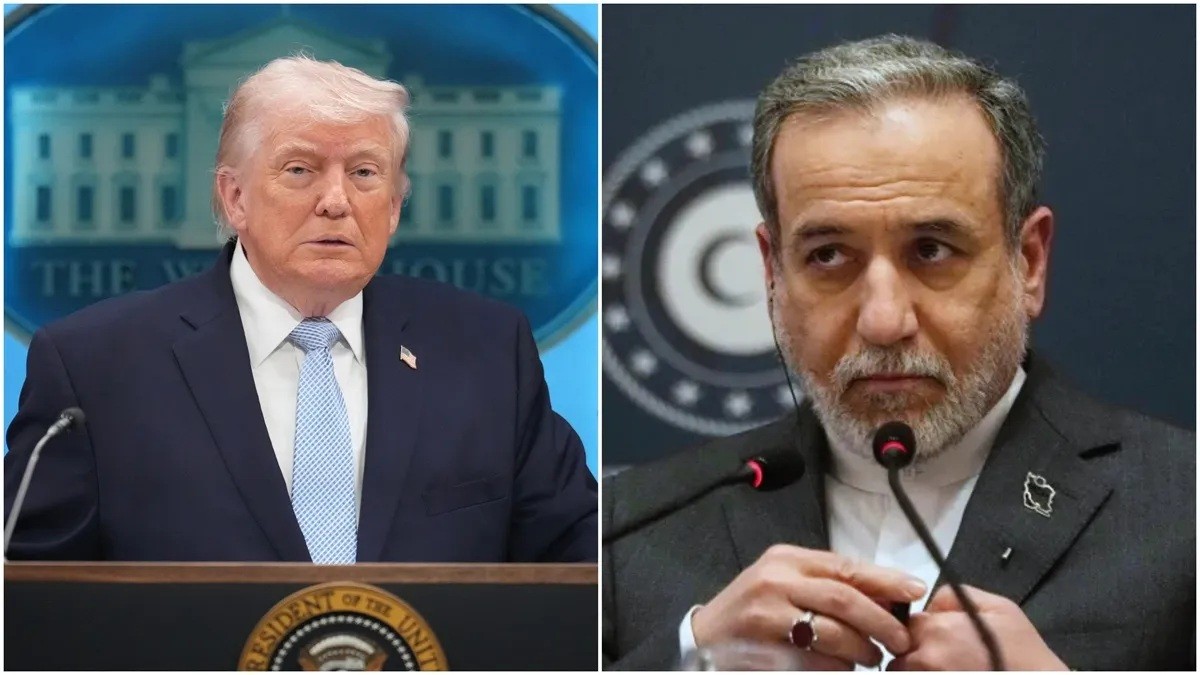
In return, Iran would reportedly gain access to frozen financial assets and some relief from U.S. sanctions on oil exports, while agreeing to maintain safe passage through the waterway.
However, disagreements remain over Iran’s nuclear programme. The U.S. is said to be pushing for major restrictions and dismantling of key facilities, while Iran insists on retaining parts of its nuclear capabilities under revised conditions.
Further discussions are expected to continue after the initial agreement is signed, focusing on long-term issues including nuclear oversight and post-conflict arrangements.
FURTHER READING