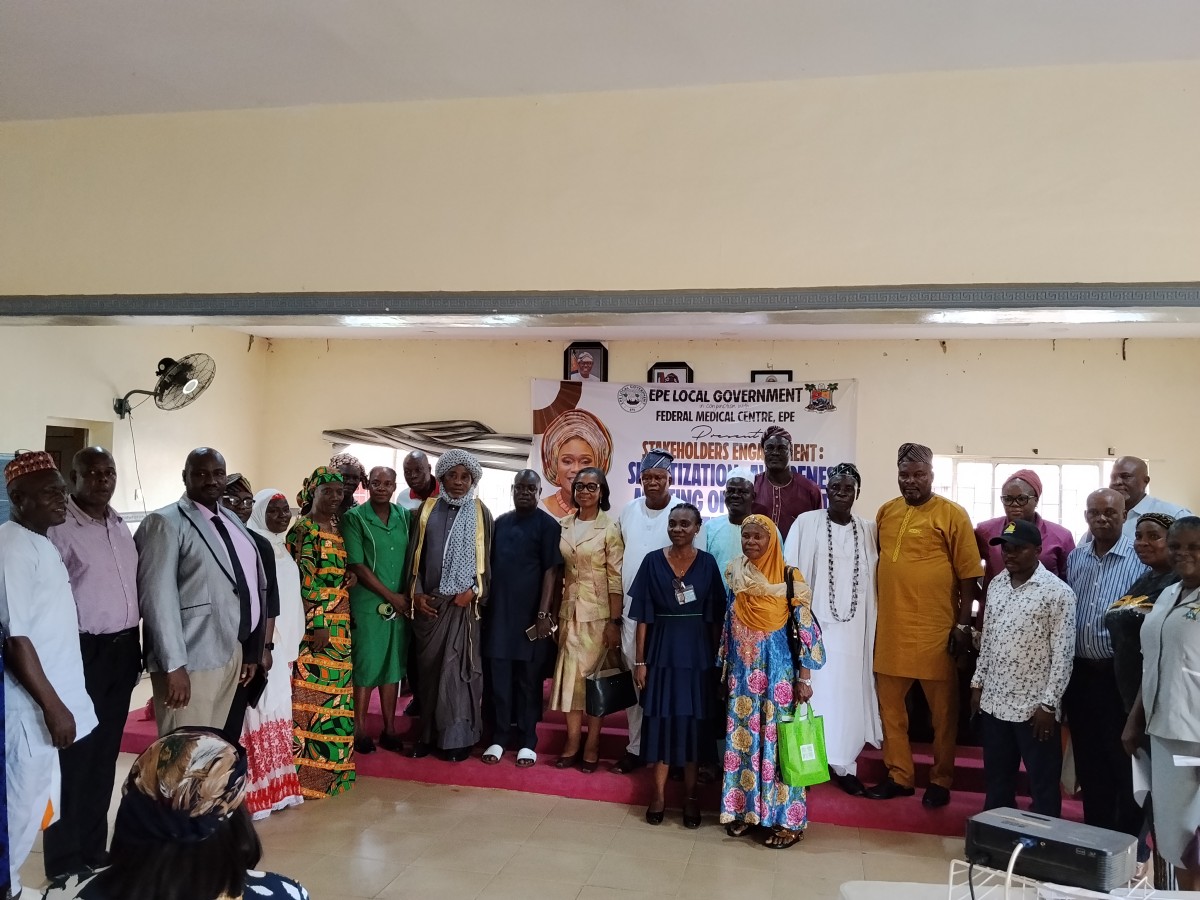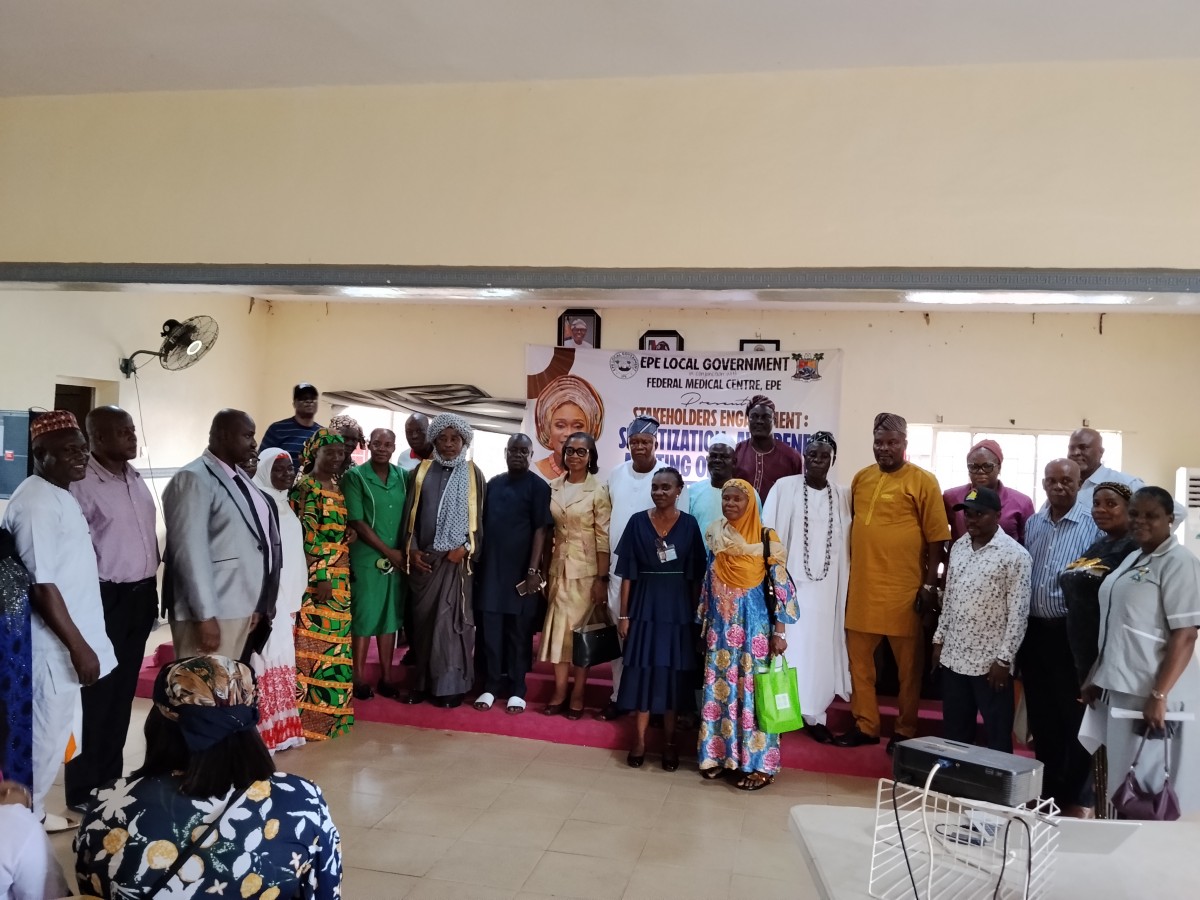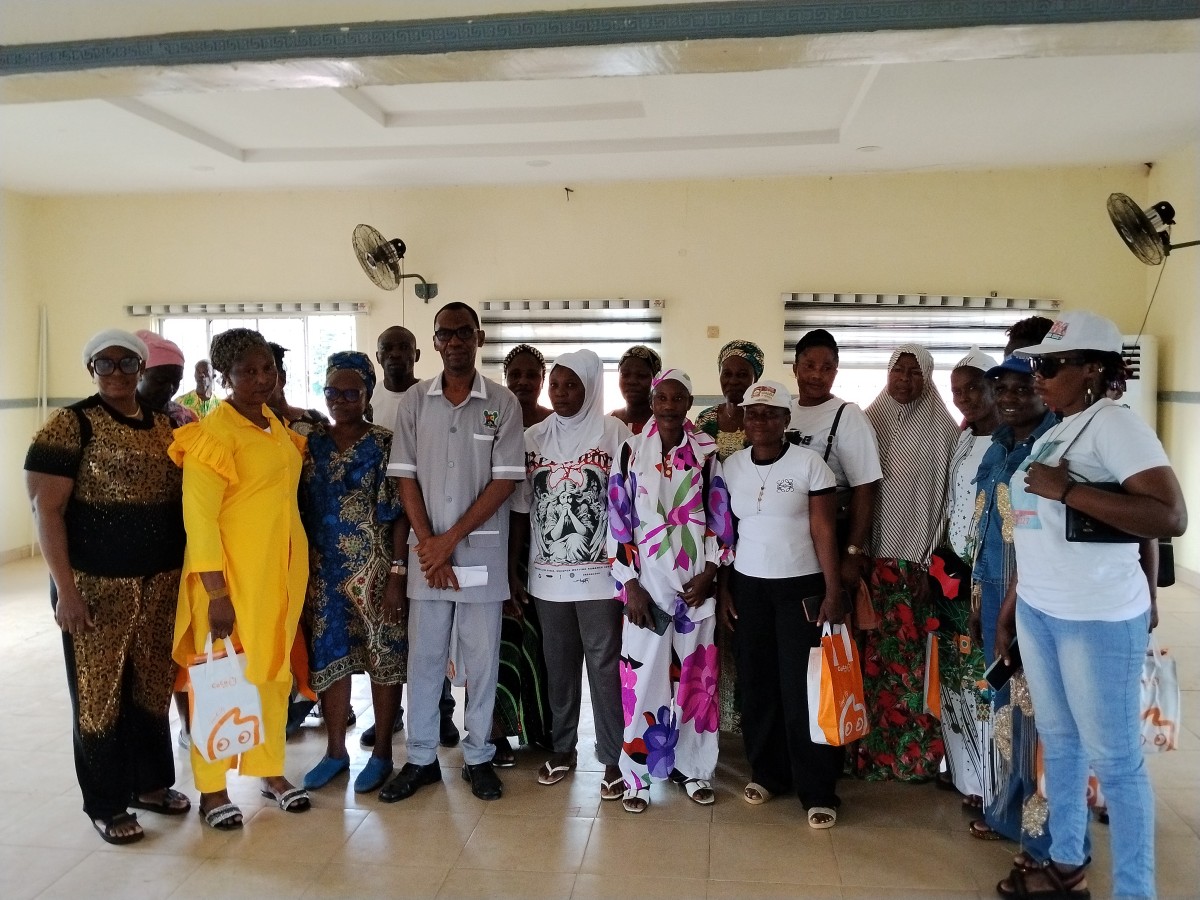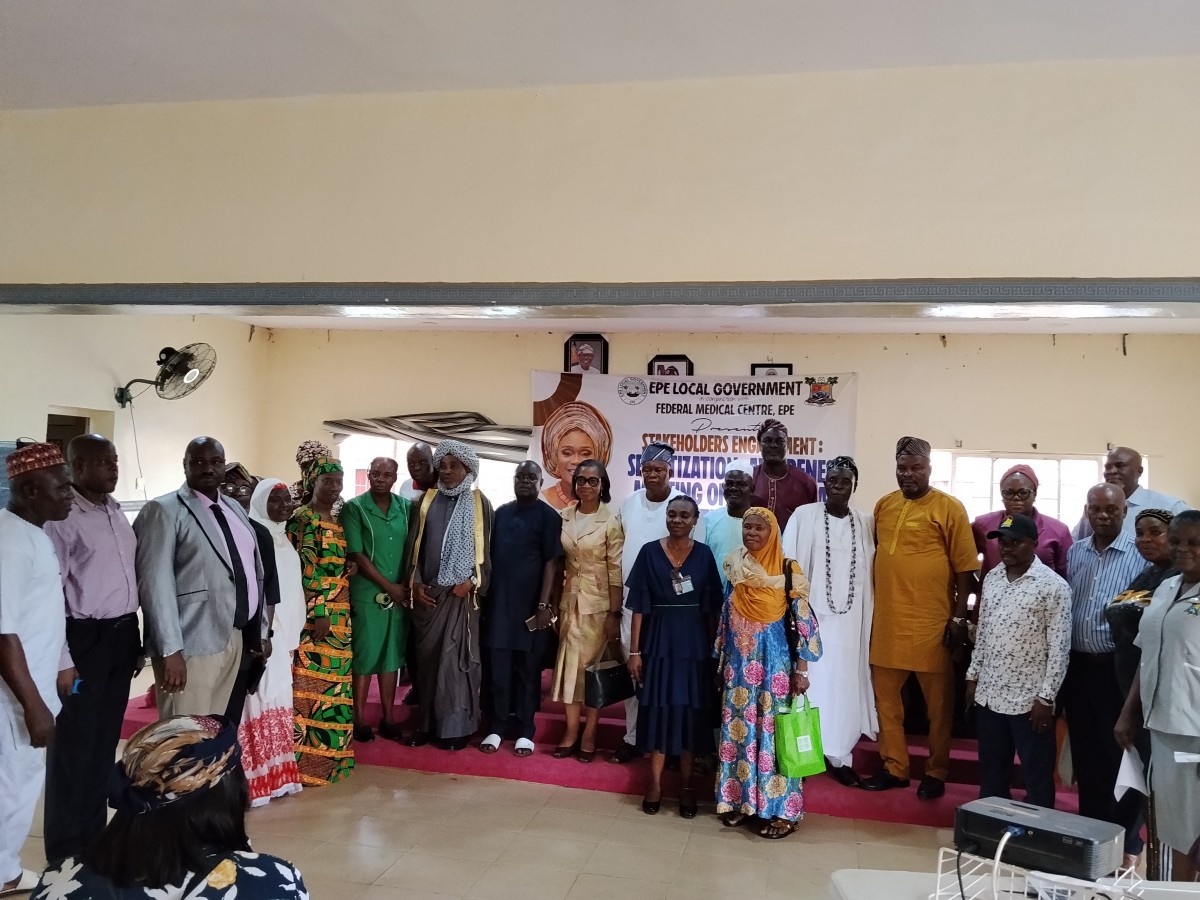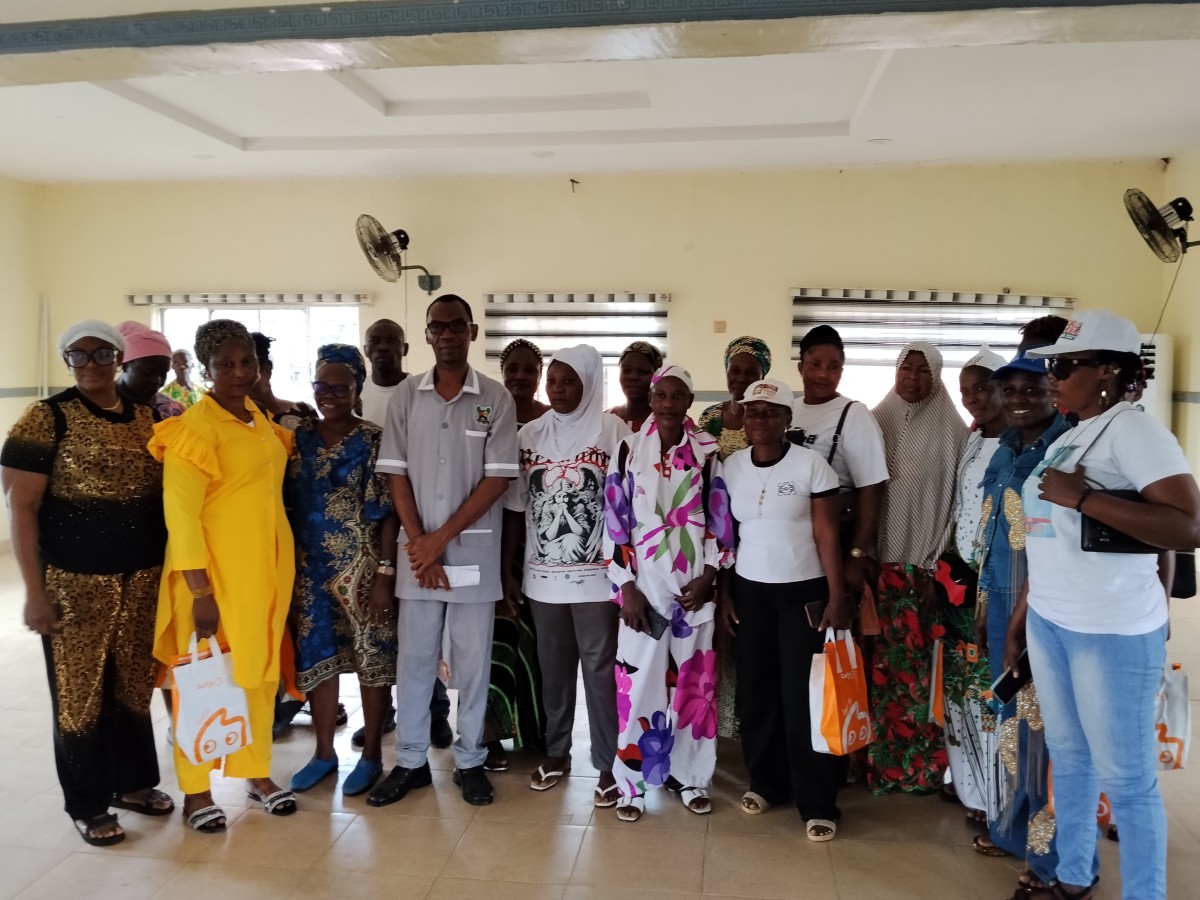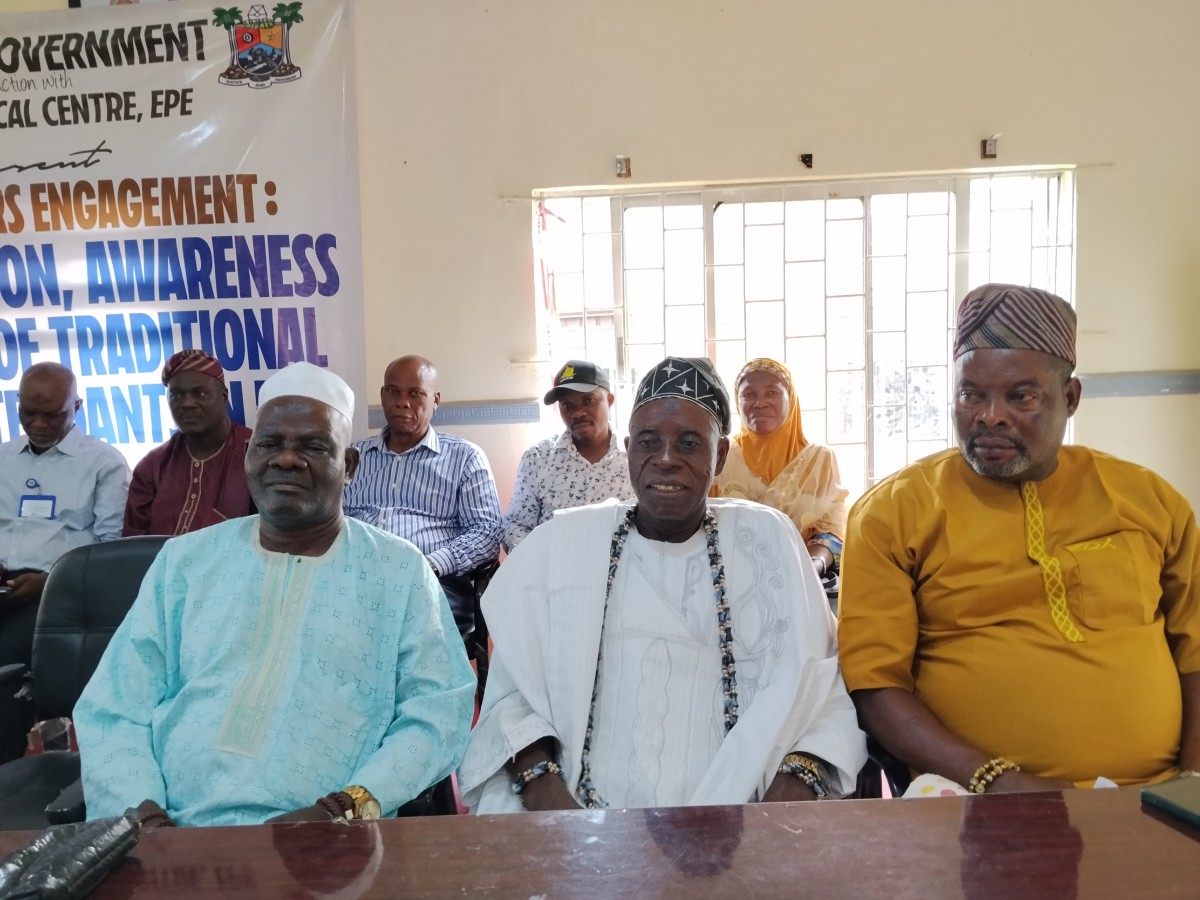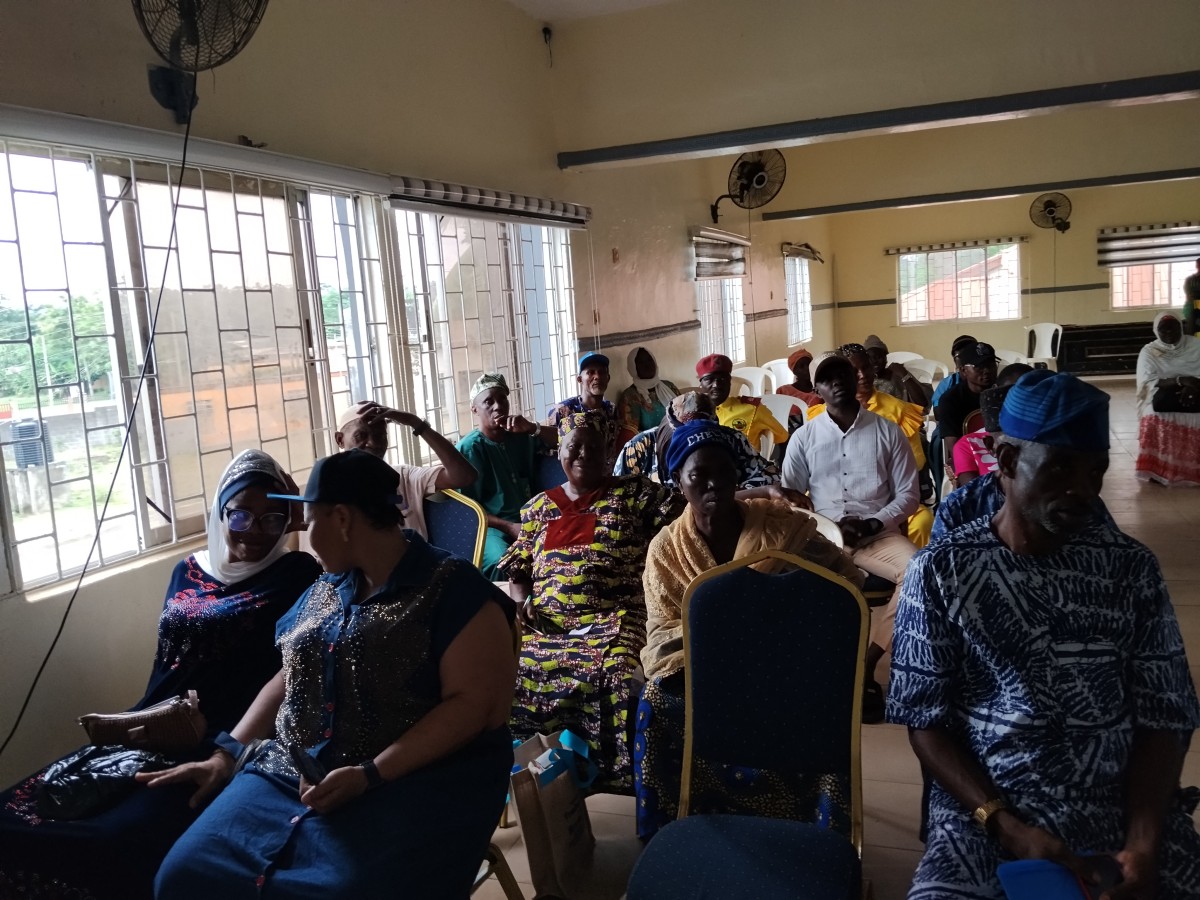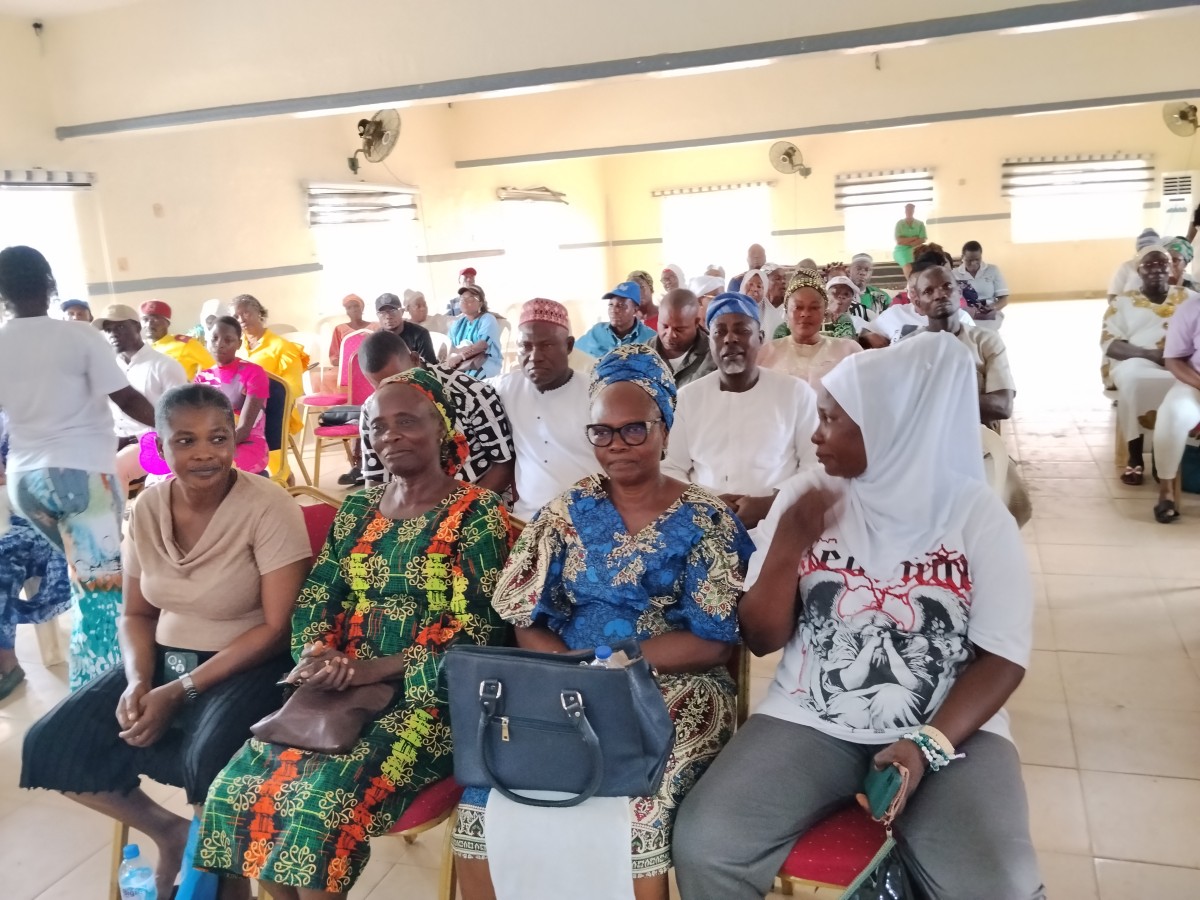
- Epe Local Government and FMC Epe organized a strategic engagement with traditional birth attendants to reduce maternal and infant mortality.
- Medical experts emphasized timely referrals, hygiene, professionalism and stronger collaboration with healthcare facilities.
- Traditional birth attendants raised concerns about referral delays and bed space shortages at FMC Epe, while hospital officials assured them of ongoing improvements.
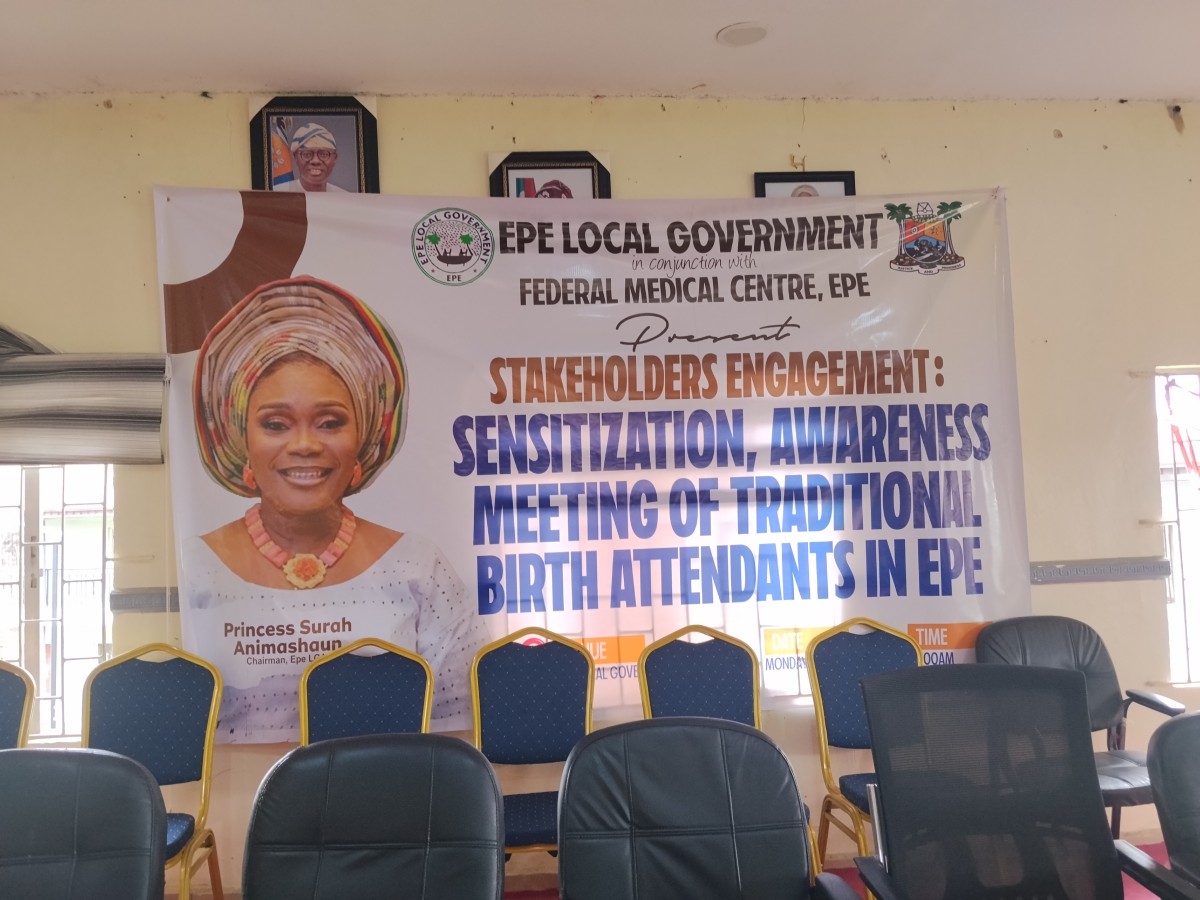
In a renewed effort to curb maternal and infant mortality and improve access to quality healthcare services in Epe Division, Epe Local Government, under the administration of the Executive Chairman, Hon. Princess Surah Olayemi Animashaun, FHTI, has partnered with the Federal Medical Centre (FMC), Epe, to engage Traditional Birth Attendants (TBAs) in a strategic dialogue aimed at promoting safer childbirth practices and reducing preventable deaths among mothers and newborns.
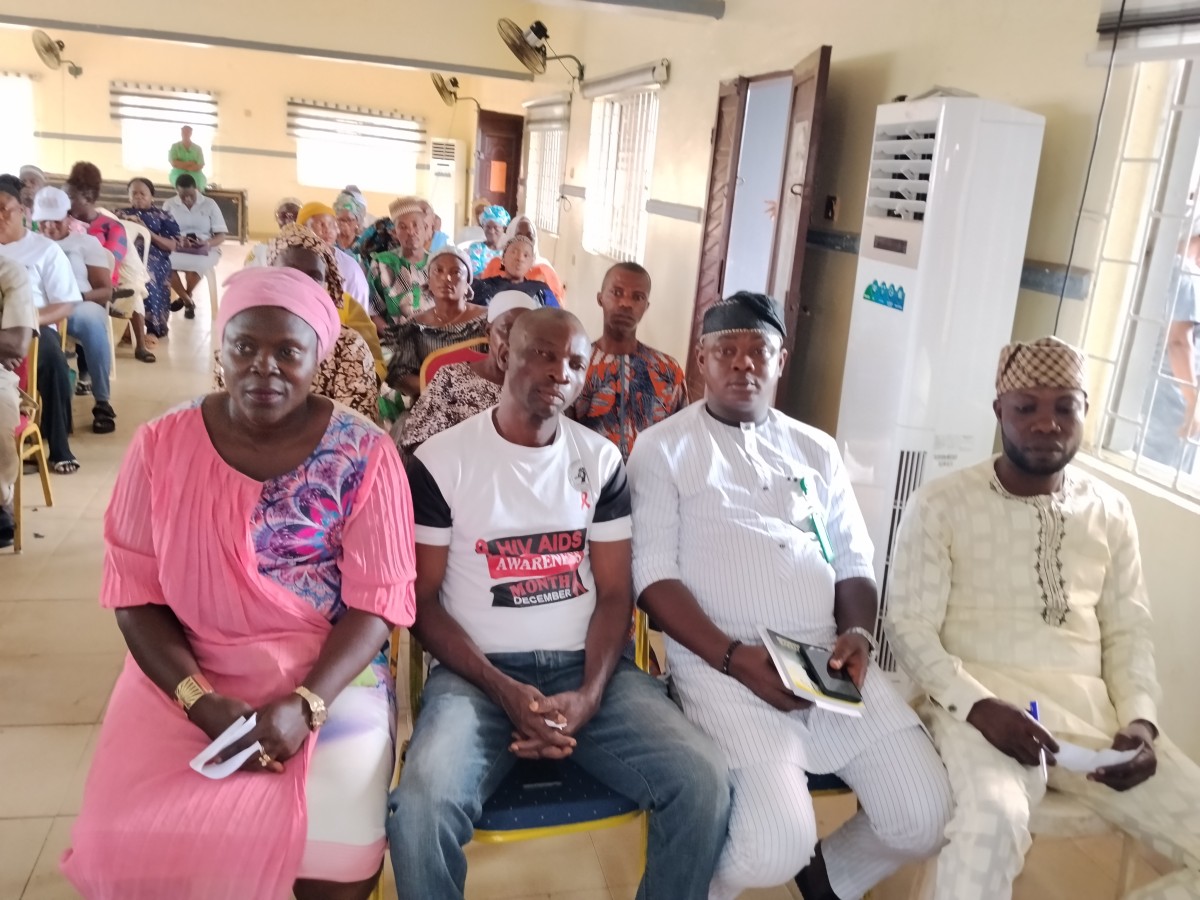
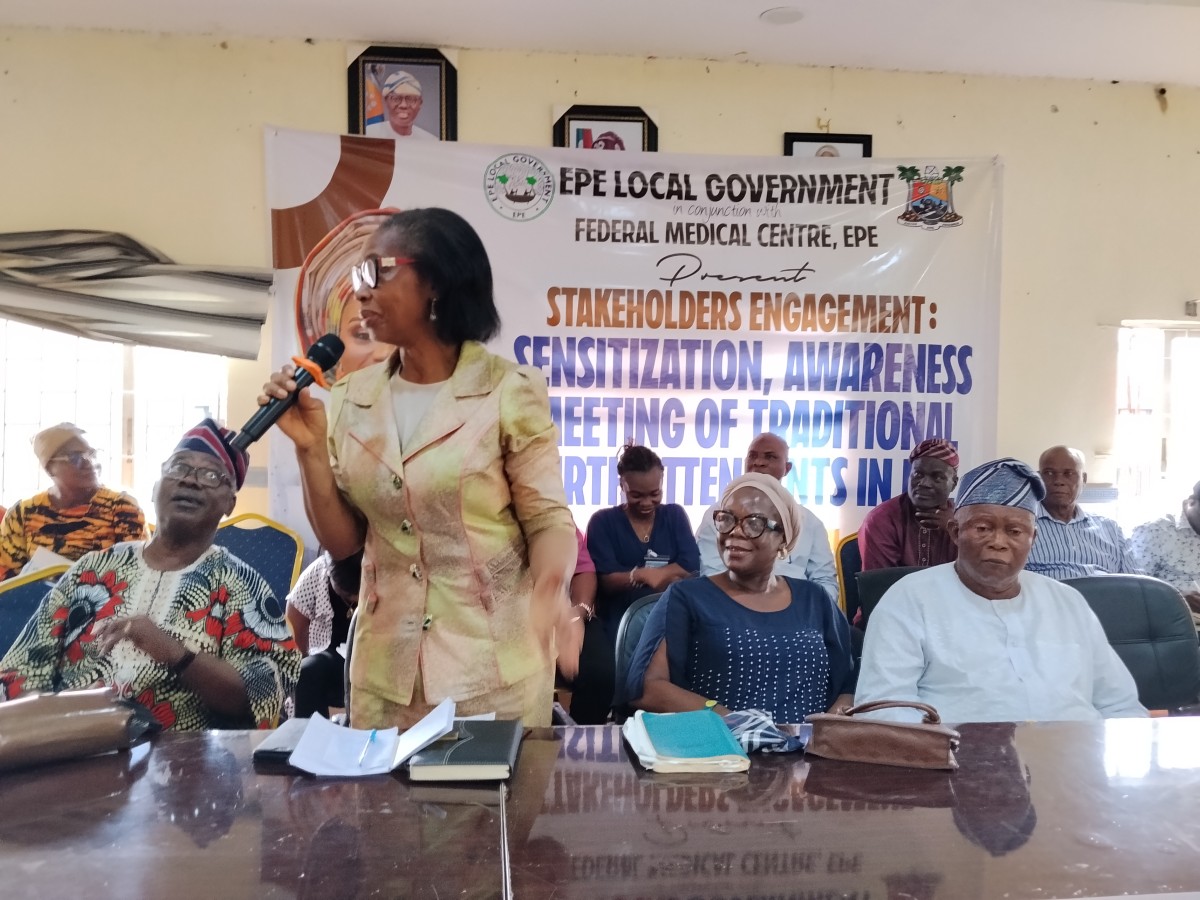
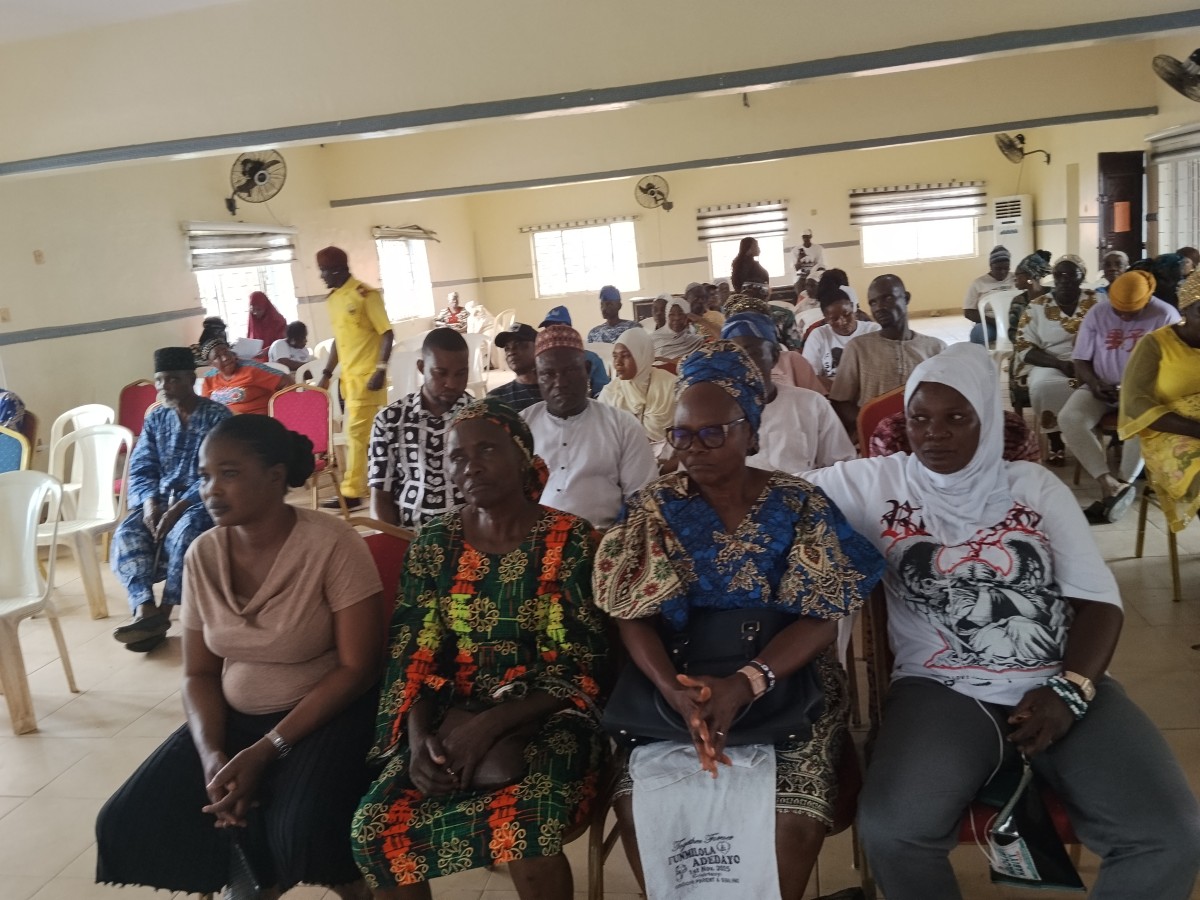
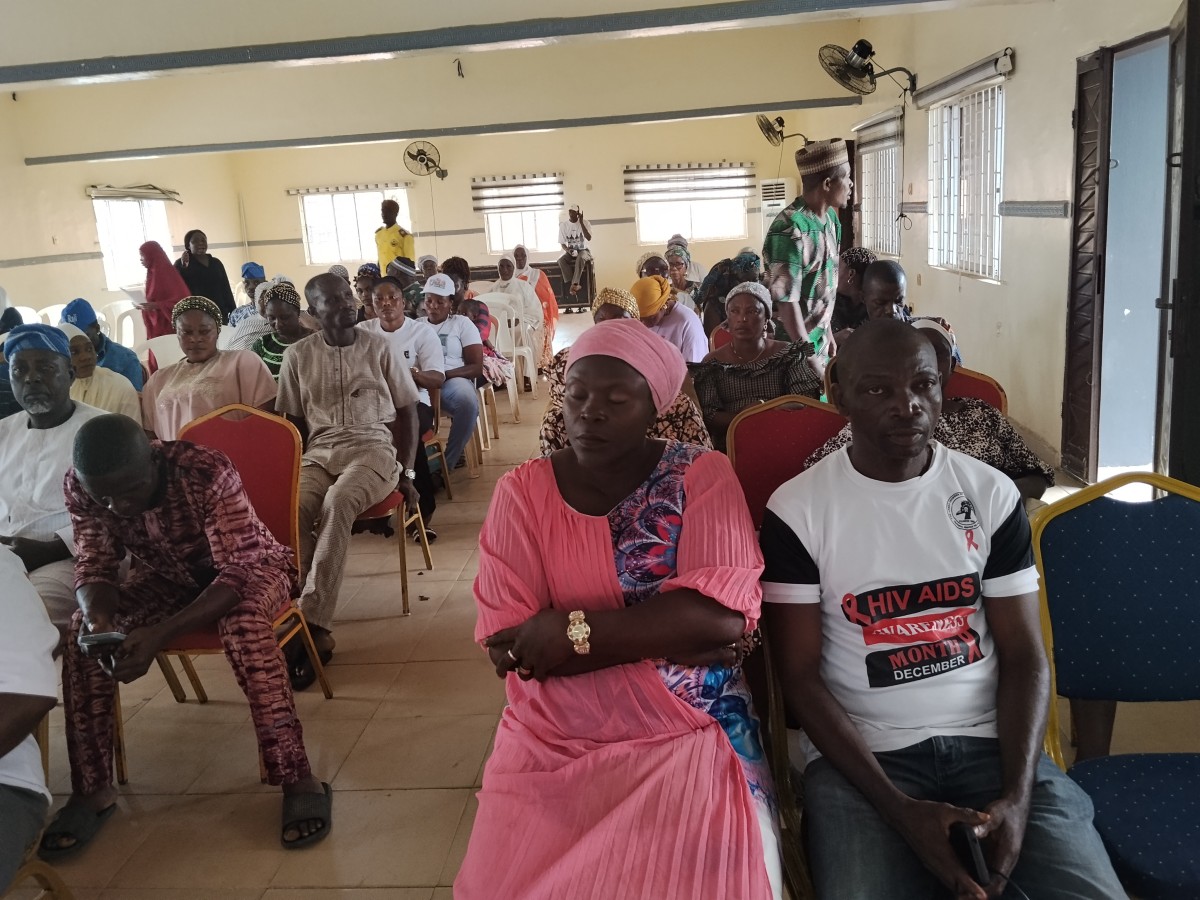
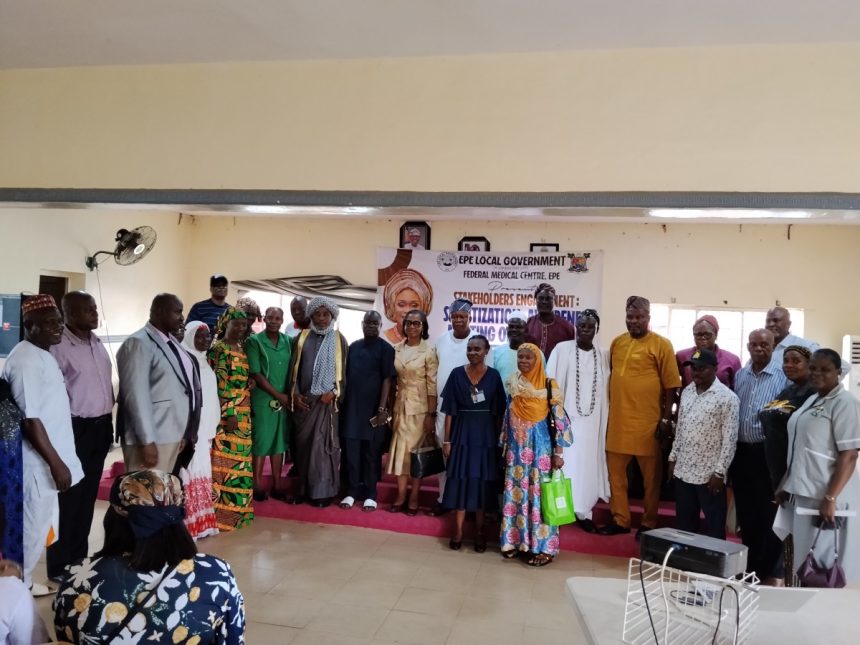
Eko Hot Blog reports that the stakeholders’ engagement, held on Monday, June 15, 2026, at the Council Chamber of Epe Local Government Secretariat, Itamarun, attracted healthcare professionals, public health experts, government officials and dozens of traditional birth attendants from different communities across Epe.
The meeting was convened against the backdrop of growing concerns over maternal and neonatal deaths, especially cases resulting from delayed referrals, poor hygienic practices, and complications that could have been prevented through timely medical intervention.
Participants at the meeting emphasized that while traditional birth attendants continue to play significant roles in providing maternal care within local communities, there is an urgent need for stronger collaboration between them and modern healthcare institutions to ensure safer pregnancies and successful deliveries.
Welcoming participants, the Medical Officer of Health (MOH), Epe Local Government, Dr. Adeleke Awolesi, acknowledged the important contributions of traditional birth attendants in supporting expectant mothers, particularly in rural and hard-to-reach communities.
He noted that the gathering was not intended to criticize, condemn or undermine the profession of traditional birth attendants but rather to foster mutual understanding, strengthen partnerships and equip them with additional knowledge that would improve their practice.
According to Dr. Awolesi, reducing maternal and child mortality requires collective action from all stakeholders involved in maternal healthcare delivery.
“We recognize and appreciate the role traditional birth attendants have continued to play in our communities. Many families still depend on your services, and that is why this engagement is important. We are not here to find faults or assign blame. Rather, we are here to share knowledge, exchange ideas and develop a stronger partnership that will ultimately save lives.”
He stressed that every preventable death of a mother or newborn represents a tragedy that affects families, communities and society at large.
The sensitization session commenced with a presentation by Dr. Sekumade of the Department of Obstetrics and Gynaecology, FMC Epe, who extensively discussed the common causes of maternal and infant deaths and the measures that can be taken to prevent them.
The medical expert highlighted the importance of early detection of complications during pregnancy and labour, urging traditional birth attendants to avoid unnecessary delays in referring patients to healthcare facilities whenever danger signs emerge.
He warned that conditions such as prolonged labour, excessive bleeding after childbirth, high blood pressure, convulsions and abnormal fetal presentations require immediate medical attention and should never be managed beyond the capacity of traditional birth centres.
“One of the major factors contributing to maternal mortality is delayed referral. Many lives can be saved if patients are transferred to hospitals promptly. When complications arise, every second counts. Delays often worsen situations and reduce the chances of survival for both mother and child.”
Dr. Sekumade further urged attendants to maintain regular communication with FMC Epe and other healthcare facilities to facilitate quick intervention whenever emergencies occur.
He also emphasized the need for strict hygiene standards within traditional birth centres, warning that unsanitary conditions expose mothers and babies to life-threatening infections.
The consultant discouraged the indiscriminate administration of medications intended to induce or accelerate labour, noting that improper use of such drugs can result in severe complications, including uterine rupture, excessive bleeding and infant distress.
“We want you to see FMC Epe as a partner and not a threat to your practice. Our goal is not to take over your work but to support you. When we work together and maintain open communication, we can significantly reduce maternal and infant deaths in Epe.”
Also speaking during the engagement, renowned paediatric specialist, Professor Elizabeth Disu of Lagos State University Teaching Hospital (LUTH), delivered an insightful lecture on newborn care, safe delivery practices and infection prevention.
Drawing from more than four decades of professional experience in child healthcare, the professor educated participants on the dangers associated with poor hygiene and improper handling of newborns during and after delivery.
She explained that many health complications affecting newborn babies originate from avoidable infections contracted during childbirth due to unsterilized equipment and unsanitary environments.
Professor Disu urged traditional birth attendants to prioritize cleanliness, proper hand hygiene and safe delivery procedures at all times.
“For over forty years, I have cared for newborn babies, and one thing I have learned is that simple preventive measures save lives. Clean environments, sterile instruments and proper handling of newborns can make the difference between life and death.”
She further encouraged the attendants to embrace continuous learning and professional development in order to keep pace with evolving healthcare practices.
Another facilitator from FMC Epe, Dr. (Mrs.) Babatunde, reinforced the importance of maintaining clean, conducive and professionally managed birth centres.
She identified several practices commonly observed in some traditional birth centres that could endanger the lives of mothers and babies and called for immediate improvements.
According to her, creating safer delivery environments would not only improve health outcomes but also increase public confidence in traditional birth services.
The meeting became more interactive when traditional birth attendants were given the opportunity to express their concerns regarding challenges encountered while collaborating with FMC Epe.
Many of the attendants voiced frustration over what they described as difficulties in securing prompt admission for patients referred to the hospital.
Some alleged that patients were occasionally denied admission because of inadequate bed space, while others complained about delays in the commencement of treatment after referrals.
One participant narrated an experience in which a referred patient reportedly waited for a considerable period before receiving medical attention.
“When we identify complications and refer our patients to the hospital, we expect immediate intervention. There have been situations where referred patients experienced delays, and when negative outcomes occur, fingers are often pointed at us despite our efforts to seek help on time,” she lamented.
Responding to the concerns, Dr. Sekumade explained that the transformation of the former General Hospital, Epe, into a Federal Medical Centre had significantly increased patient traffic from different parts of Lagos State and beyond.
He noted that the hospital’s growing reputation and expanded services have attracted a larger population of patients, placing pressure on existing facilities and infrastructure.
“Since becoming a Federal Medical Centre, patient attendance has increased tremendously. People now come from different parts of the state because of the quality of services available. While this has created some challenges, it also reflects public confidence in the institution. Efforts are ongoing to expand facilities and improve capacity.”
He assured participants that hospital management remains committed to addressing operational challenges and improving service delivery.
Supporting his position, Dr. Awolesi disclosed that several of the concerns raised by the attendants had already been brought to the attention of the Medical Director of FMC Epe, Dr. Kaka.
He appealed for patience and understanding, expressing confidence that ongoing improvements would soon address the identified issues.
“Every institution passes through a growth phase. FMC Epe is still evolving, and management is aware of some of these challenges. We are optimistic that solutions are being implemented and that many of the issues discussed today will soon become history.”
Earlier in her remarks, the Council Manager of Epe Local Government applauded traditional birth attendants for their commitment to serving pregnant women and nursing mothers across various communities.
She encouraged them to continue collaborating with healthcare professionals, adhere to established guidelines governing their practice and embrace innovations capable of improving maternal healthcare outcomes.
The stakeholders’ meeting concluded with a collective commitment by Epe Local Government, FMC Epe and traditional birth attendants to strengthen cooperation, improve referral systems, promote safer childbirth practices and work together towards eliminating preventable maternal and infant deaths in Epe Division.
Participants expressed optimism that the partnership would usher in a new era of improved maternal healthcare services and healthier outcomes for mothers and newborns throughout the division.