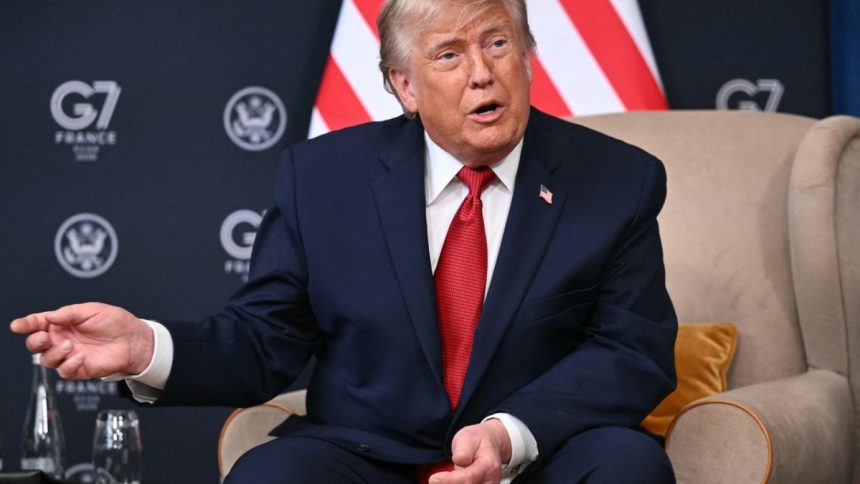
- United States President Donald Trump has announced that Iran has “fully and completely” conceded to long-term, high-level international nuclear inspections, a claim that Iranian diplomatic officials quickly and publicly denied.
- Following reported breakthrough concessions in Switzerland, President Trump confirmed that the U.S. Navy will allow the strategically critical Strait of Hormuz to remain open, though American warships will maintain positions to reinstate a blockade if necessary.
- Despite a recent rise in commercial vessel transit through the waterway, Iran’s chief negotiator asserted that the Strait of Hormuz will never return to pre-war operational conditions and that Tehran intends to keep absolute regulatory control.
A deep diplomatic rift has opened between Washington and Tehran just days after the signing of a fragile framework agreement aimed at ending the Middle East war, with both nations offering radically conflicting accounts regarding future nuclear inspections and the governance of global energy corridors.
United States President Donald Trump announced via his social media platforms that technical negotiations hosted in Switzerland had yielded monumental concessions from the Islamic Republic.
EDITOR’S PICK
- Hamzat Appoints Obanikoro as Campaign DG Ahead of 2027 Lagos Governorship Race
- Tinubu’s State Police Plan Gains Momentum as Amendment Looms
- Residents Raise Alarm After Two Bodies Found in Lagos Waterway
According to the American president, Tehran has formally committed to an unprecedented level of international oversight that would subject its domestic nuclear infrastructure to sweeping, long-term scrutiny to guarantee total compliance.
However, the triumphant rhetoric coming out of Washington was met with immediate, stern resistance from Iranian state media and diplomatic representatives.
Tehran’s senior negotiators categorically dismissed claims of an expansive oversight agreement, stating flatly that there are currently zero plans to permit International Atomic Energy Agency (IAEA) inspectors back into key enrichment facilities that were severely damaged by U.S. and Israeli airstrikes last year.
The baseline framework deal reportedly dictates an immediate cessation of military hostilities and the unwinding of heavy economic sanctions, but leaves the highly volatile nuclear file open to a rigorous 60-day negotiation window, meaning any declaration of a permanent nuclear resolution remains legally unverified.
Leveraging the alleged breakthroughs to ease global economic anxieties, President Trump further revealed that the United States has agreed to suspend its highly punitive naval blockade of the Strait of Hormuz, allowing international commercial shipping to proceed unhindered.
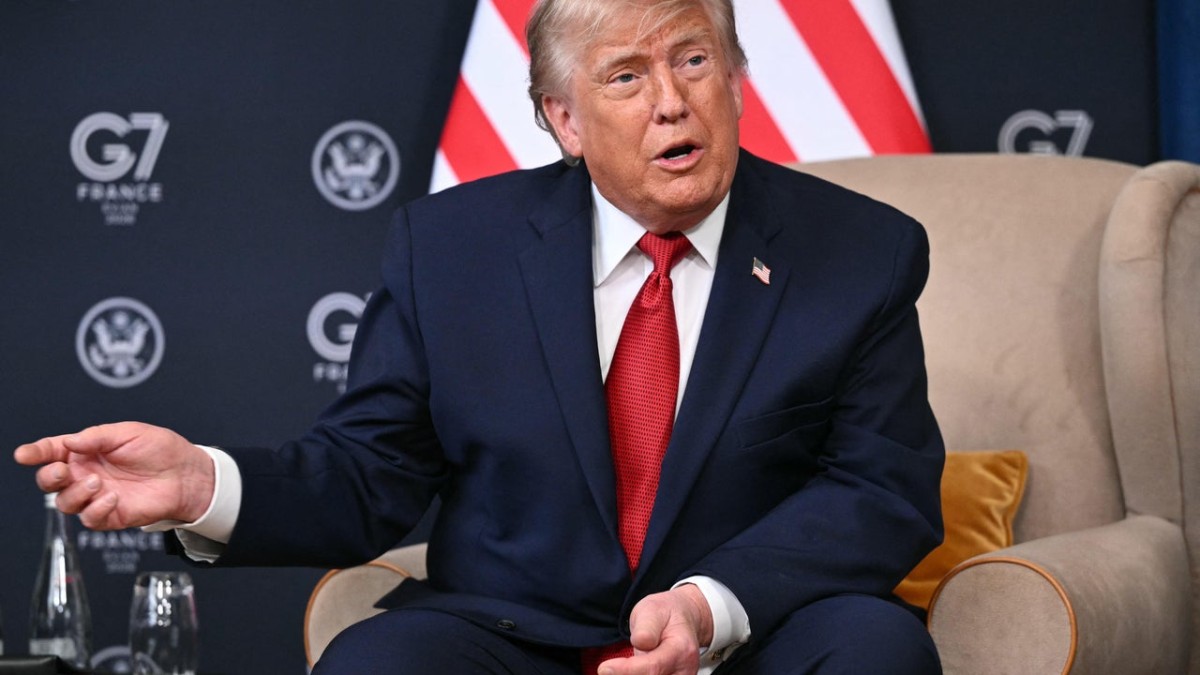
“Iran has fully and completely agreed to highest level Nuclear inspections long into the future (Infinity!!!)… Based on this and other major concessions being made by Iran, I have agreed to allow the Hormuz Strait to remain OPEN,” Trump declared, while adding a firm warning that American naval forces remain anchored in the region to immediately reinstate maritime blockades if negotiations collapse.
Simultaneously, the U.S. Treasury intends to funnel unfrozen Iranian financial assets into a strictly managed escrow account dedicated exclusively to purchasing agricultural exports and medical supplies from American farmers.
The logistics of the Strait of Hormuz remain a dangerous flashpoint as international maritime data firms report a steady, cautious return of commercial traffic.
Maritime tracking firm Kpler documented that the vital waterway recorded its busiest post-conflict operational day on Monday with 35 commercial vessels completing transits, though this volume represents merely a third of pre-war trade averages.
Complicating recovery efforts, Iran and neighboring Oman issued a joint communique asserting their sovereign rights over the territorial waters of the trade route, hinting at plans to levy localized navigation service fees.
This proposed administrative oversight has drawn swift condemnation from U.S. Secretary of State Marco Rubio, who arrived in the United Arab Emirates on an emergency regional tour to assert that Washington will never tolerate foreign tolls on an international waterway.