- Court has blocked Donald Trump’s attempt to end birthright citizenship through an executive order
- The 6–3 ruling upheld lower court decisions and reaffirmed the 14th Amendment’s protection of citizenship for those born in the U.S
- The case centered on immigration policy debates, including claims about “birth tourism” and constitutional interpretation
The United States Supreme Court has delivered a major ruling blocking an attempt by former President Donald Trump to restrict birthright citizenship, effectively invalidating an executive order aimed at denying automatic citizenship to some children born on U.S. soil.
In a 6–3 judgment, the court upheld a lower court decision that stopped the policy nationwide, reaffirming the long-standing interpretation of the 14th Amendment, which grants citizenship to individuals born in the United States and subject to its jurisdiction, Eko Hot Blog gathered.
EDITOR’S PICK
- UN Mobilizes Humanitarian Aid For Venezuela Following Twin Earthquakes
- Dollar To Naira Exchange Rate Today, June 26, 2026
- Concerns As Repentant Boko Haram Members Allegedly Join Army Recruitment
The controversial order, signed shortly after Trump returned to office, directed federal agencies to refuse citizenship to children born in the country unless at least one parent is a U.S. citizen or a lawful permanent resident, commonly known as a green card holder. The move was part of his wider immigration crackdown.
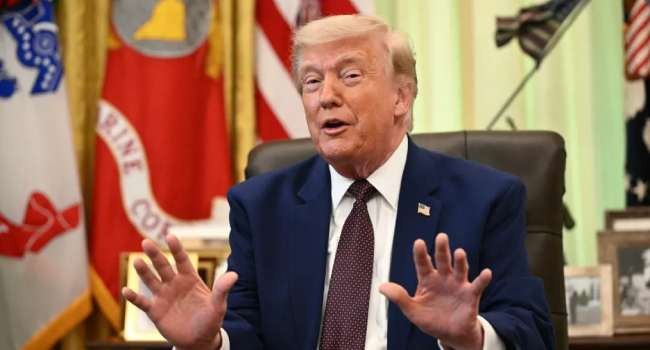
Trump and his administration argued that the existing interpretation of birthright citizenship encourages abuse of the system, including what they described as “birth tourism,” where foreign nationals travel to the U.S. to give birth so their children automatically gain citizenship. They insisted that the Constitution’s wording should exclude children of undocumented migrants and temporary visitors.
Opponents of the policy challenged it in court, arguing that it violates the Citizenship Clause of the 14th Amendment, which states that all persons born in the United States and “subject to the jurisdiction thereof” are citizens. They maintained that decades of legal interpretation and precedent support automatic citizenship by birth.
The case was brought forward through a class-action lawsuit filed in New Hampshire by affected families whose children’s citizenship status was put at risk by the directive. Critics warned that the policy could have impacted hundreds of thousands of newborns each year and forced millions of families to prove legal status at birth.
Central to the legal debate was the 1898 Supreme Court ruling in United States v. Wong Kim Ark, which affirmed that children born in the U.S. to foreign parents are citizens under the Constitution. While the Trump administration argued that the precedent should be narrowly interpreted, several justices questioned that position during hearings.
The ruling marks a significant setback for Trump’s immigration agenda, which has repeatedly tested presidential authority in shaping immigration policy since his return to office. It also comes amid ongoing national debates over immigration enforcement and constitutional interpretation.
The Supreme Court’s decision closes one of the most closely watched immigration battles of the year, reaffirming the legal foundation of birthright citizenship in the United States.
FURTHER READING
- Eredo LCDA Announces Monthly Environmental Sanitation Exercise
- Lagos LGs Receive N156.84bn FAAC Allocation in Q1 2026
- 32 Killed in Venezuela Quakes
CLICK HERE TO WATCH VIDEO OF THE WEEK
https://youtu.be/nXdilmxTznY?is=MJA-OgfIH-rQChF