- Alausa Urges States to Adopt FG’s Digital Learning Platforms for Better Education
- Says Only 2.3 Million Learners Using FG Digital Education Platforms
- Warns Against Wasting Investment in FG’s Digital Education Platforms
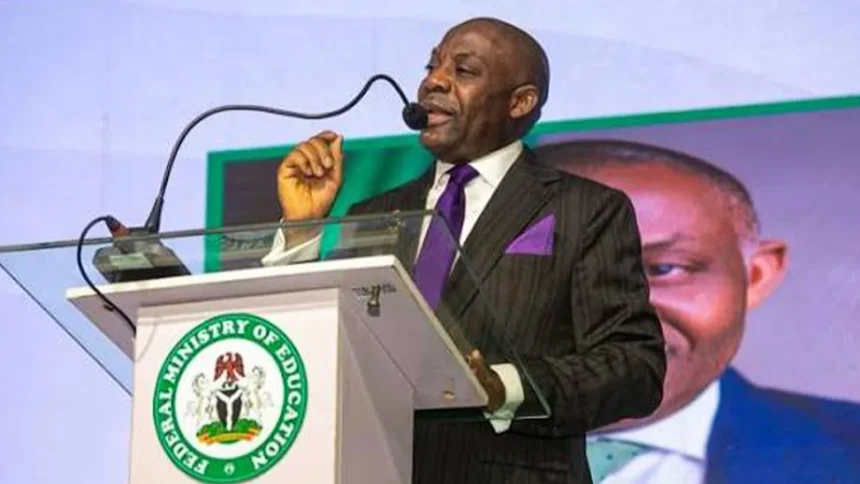
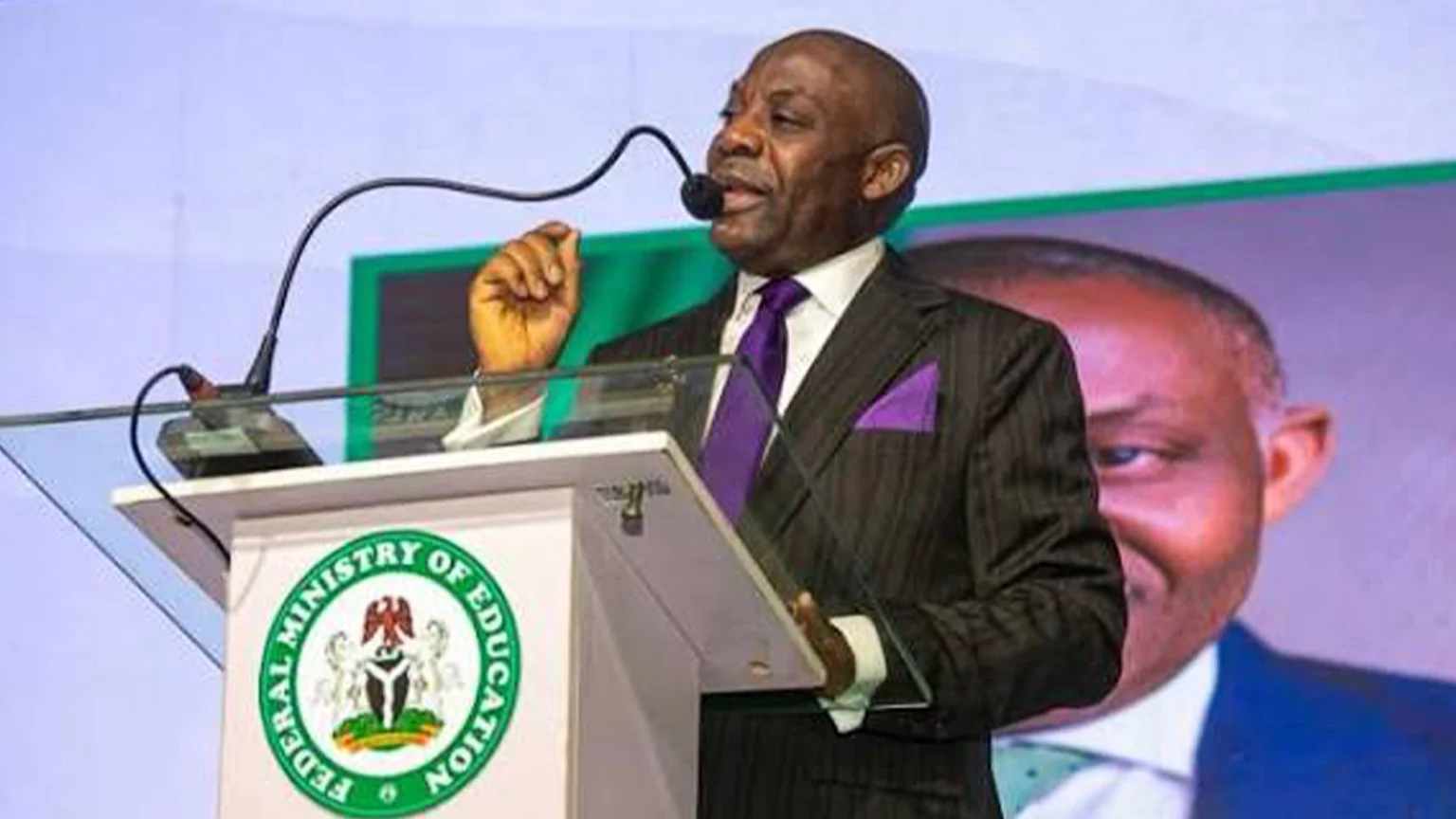
The Minister of Education, Dr. Tunji Alausa, has urged Commissioners for Education and chairmen of State Universal Basic Education Boards (SUBEBs) across the 36 states to fully utilise the Federal Government’s digital learning platforms to improve teaching quality and learning outcomes in basic education schools, Eko Hot Blog reports.
Speaking at the Federal Ministry of Education/Universal Basic Education Commission (UBEC) Roundtable on Digital Resources for Achieving Learning Outcomes in Abuja, Alausa said the technology-driven platforms were developed to enhance classroom instruction, support teachers with modern teaching resources and expand access to quality education nationwide.
EDITOR’S PICK
- MSME Awards 2026: Tinubu Announces Free Registration for 250,000 Businesses
- Sanwo-Olu Targets Cleaner Lagos, Unveils Plan for 150 Compactors
- Tinubu Signs New NIMC Act, Strengthens Nigeria’s Digital Identity System
He stressed that state governments play a critical role in ensuring the successful deployment and adoption of the digital platforms, describing technology as essential to preparing Nigerian children for the demands of the 21st-century economy.
According to the minister, effective implementation of the platforms will bridge learning gaps, improve pupils’ academic performance, expand educational opportunities in underserved communities and promote equitable access to quality basic education.
Alausa identified the ministry’s flagship digital initiatives as the Nigeria Learning Passport, Inspire, Inspire-Live, Ignite, EduRevamp and E-Learn.
He explained that the platforms were designed to complement classroom teaching rather than replace teachers, particularly in schools facing shortages of qualified educators.
According to him, the digital tools will ensure that pupils in underserved and hard-to-reach communities continue learning while government works to recruit and deploy more teachers.
The minister urged state governments to organise orientation programmes for principals and teachers on how to effectively use the platforms and monitor their implementation in schools.
He also noted that schools do not need to provide digital devices for every learner immediately, explaining that pupils can access the facilities through a rotation system.
Highlighting the Inspire-Live platform, Alausa described it as a major innovation that enables real-time interaction between students and teachers.
He revealed that the platform has already been piloted in three Federal Government Colleges in Abuja, where selected teachers deliver live lessons in core subjects, including Mathematics, English and Chemistry, using modern audio-visual teaching tools.
Unlike pre-recorded lessons, he said, students can ask questions during the live classes and receive immediate responses from instructors.
“This is not about replacing teachers. Across the world, there is a shortage of teachers, and technology is helping to bridge that gap,” the minister said.
Alausa, however, expressed concern over the low utilisation of the digital platforms despite significant government investment.
He disclosed that although the Nigeria Learning Passport currently has about 2.3 million users, the figure remains small compared to the country’s estimated 67 million learners across primary, junior and senior secondary schools.
“This is still extremely low. We have invested significant resources in these platforms. If they are not used, then it becomes a wasted investment. We cannot continue to suffer in the midst of plenty,” he said.
The minister commended UNICEF for supporting the development of the Nigeria Learning Passport, noting that it played a key role in sustaining learning during the COVID-19 pandemic and has continued to support students affected by insecurity and school closures.
He added that the digital resources would also improve teachers’ digital literacy and support their professional development.
Alausa further disclosed that UBEC is constructing digital learning resource centres equipped with computers, smart boards and solar power systems in schools across the country to improve access to digital education.
Earlier, UBEC Executive Secretary, Dr. Aisha Garba, described technology as critical to building an inclusive, resilient and future-ready education system.
She said the commission has invested in digital learning centres, smart interactive boards, education management information systems and digital monitoring platforms to strengthen basic education delivery.
Garba also revealed that UBEC has inaugurated Digital Champions to drive digital transformation within the commission and support states in implementing education technology initiatives.
She emphasised that technology alone cannot transform education without effective coordination, strong partnerships, capacity building and stakeholders’ commitment to embracing innovation.
According to her, the roundtable was convened to deepen collaboration between the Federal Ministry of Education, UBEC, State Ministries of Education, SUBEBs and development partners to accelerate the adoption of digital learning resources nationwide.
FURTHER READING
- Alausa Commends UI, UNILAG, BUK as Nigeria Gains Ground in Global Rankings
- Tinubu Intensifies War on Drugs
- Tinubu Reassures South-West on Security
Click here to watch video of the week