- The United States State Department’s Bureau of African Affairs has formally condemned the horrific attack on Naridon village in Kaduna State, demanding that the Federal Government of Nigeria take decisive steps to curb ongoing violence in the Middle Belt region.
- The violent assault left at least thirty individuals dead, including eight children, with entire households wiped out and critical medical care being administered to survivors suffering from severe injuries.
- Local leaders, political figures, and civil society groups have expressed deep concern over the vulnerability of rural communities, calling for a total overhaul of the nation’s security architecture to prevent further bloodshed.
The United States government has issued a firm condemnation following the deadly armed assault on Naridon village, located within the Kamaru Ward of Kauru Local Government Area in Kaduna State.
Eko Hot Blog reports that in an official public statement released on Saturday through its State Department Bureau of African Affairs, the US administration expressed profound grief over the tragic loss of lives and extended heartfelt condolences to the families and loved ones of the deceased.
EDITOR’S PICK
- Tinubu Approves Army Expansion, Recruitment of 28,000 Personnel
- Aregbesola Claims Record as First Nigerian Governor to Serve Eight Years Without Owning a House
- Ikosi-Ejinrin LCDA Commissions Fully Equipped NSCDC Divisional Headquarters, Donates Patrol Vehicle and Motorcycle to Boost Security
The American diplomatic body noted that it will continue to actively engage and press the Nigerian authorities to implement robust measures capable of halting the rampant insecurity and targeted violence affecting vulnerable communities across the Middle Belt.
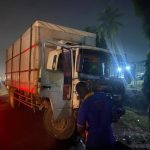
According to local reports and eyewitness accounts from the affected area, the assault began late Sunday night around eleven o’clock when a large group of heavily armed men invaded Naridon village.
The assailants stormed the peaceful community, opening fire indiscriminately on residents who were resting in their homes.
During the systematic raid, which lasted for nearly three hours without immediate operational response, numerous residential buildings and commercial shops were set ablaze, forcing panic-stricken villagers to flee into surrounding bushes for safety.
Community representatives, including the Secretary to the Village Head of Naridon, Dogon Rana, confirmed that thirty persons have been verified dead so far, among whom were eight young children.
Several other victims remain in critical condition in medical facilities across the state, fighting for their lives.
The tragedy struck with severe intensity on single households; local accounts revealed that one family in the village lost five children in a single night of terror, leaving behind only one survivor.
Residents expressed deep sorrow over the loss of life and raised serious questions regarding security response times, pointing out that security personnel were stationed within two kilometers of the attack site.
Reacting to the senseless killings, Kaduna State Governor Uba Sani strongly denounced the perpetrators and directed state security agencies to immediately intensify field operations, intelligence gathering, and tracking mechanisms to ensure the criminals responsible are apprehended and brought to justice.
Governor Sani also ordered the Kaduna State Emergency Management Agency to deploy immediate relief materials, medical assistance, and humanitarian aid to support the displaced and grieving families.
The incident has drawn sharp criticism from political leaders across Nigeria. Prominent voices have stated that the persistent violence highlights urgent gaps in community protection and highlights the necessity for a sweeping restructuring of national security strategies.
They emphasized that protecting innocent citizens must remain the primary duty of governance, urging federal authorities to prioritize rural safety and deploy adequate personnel to border communities.
As grief hangs over Kauru Local Government Area, citizens and international observers alike continue to monitor how federal and state authorities will respond to ensure justice for the victims and prevent future massacres in the region.
FURTHER READING