- Muslim council rejects rushed police reforms
- Group calls for wider consultations
- It warns against security system abuse
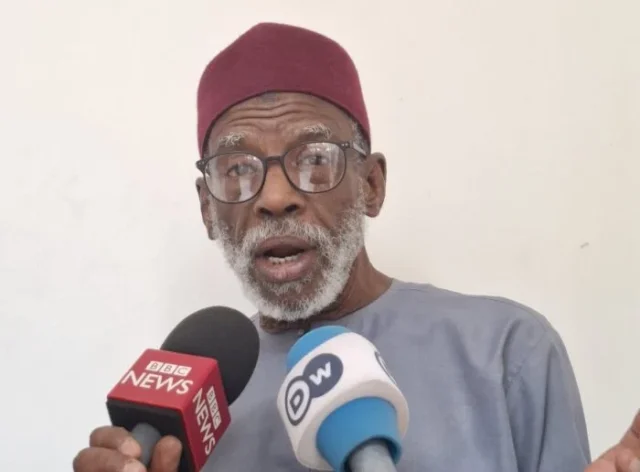
The Supreme Council for Sharia in Nigeria (SCSN) has cautioned against rushing the proposed constitutional amendment for the creation of state police, calling for extensive consultations before any final decision is made.
In a statement released on Sunday by its Secretary-General, Nafiu Ahmad, Eko Hot Blog gathered that the council acknowledged the urgent need to address Nigeria’s worsening security situation but argued that state police should not be viewed as an immediate solution to the country’s security challenges.
EDITOR’S PICK
- APC Youth Wing Opens Applications for 2026 Zacch Adedeji Taxation, Fiscal Policy Fellowship
- ‘Make Him President, Let’s See If Nigerians Become Millionaires’ – Presidency Mocks Obi
- Super Falcons Shift Focus to Zambia Clash After Malawi Defeat
The council said it had been following the ongoing national discussions and legislative efforts on state police, describing the proposal as a major issue that could have far-reaching consequences for justice, national cohesion and Nigeria’s future.
It noted that the country is currently facing severe security challenges, including loss of lives, displacement of communities and destruction of economic activities. However, it maintained that the weaknesses in Nigeria’s security system were largely caused by issues such as inadequate funding, corruption, poor welfare for personnel, limited manpower, outdated equipment and weak intelligence coordination.
The SCSN said the priority should be to strengthen existing security institutions through better funding, improved recruitment, modern technology, intelligence development, effective border control and greater accountability.
According to the council, simply transferring policing authority to state governments would not automatically address the deeper problems affecting the security sector.
The group also raised concerns over the speed at which constitutional amendments on state police were being considered, stressing that such a major change required open debate, public hearings and broad agreement among Nigerians.
The council criticised the National Assembly’s handling of the process, saying some citizens had raised concerns about the level of transparency and inclusiveness involved.
It, however, praised lawmakers who have called for wider consultations, describing their stance as a reflection of democratic responsibility.
The SCSN warned that without strong legal protections, state police could be misused by political leaders for intimidation, discrimination or other abuses.
It emphasised that Nigeria’s diverse society requires a policing framework that protects all citizens regardless of their ethnic, religious or political background.
The council recommended that any state police structure should include independent oversight, transparent recruitment, professional training, complaint mechanisms, judicial supervision, legislative checks, sustainable funding and constitutional safeguards against misuse.
It urged President Bola Tinubu, the National Assembly, state governments and other stakeholders to engage in wider discussions and address public concerns before moving ahead with any constitutional amendment.
The debate over state police has gained momentum as insecurity continues to affect several parts of Nigeria. Supporters believe decentralised policing would improve responses to crimes such as kidnapping, terrorism and banditry, while opponents fear governors could abuse the system without proper safeguards.
FURTHER READING