- FG ordered schools to expel students involved in kidnapping.
- Institutions were told to strengthen campus security
- TETFund will support security projects in 2027
The Federal Government has directed vice-chancellors, rectors and provosts of tertiary institutions across the country to expel any student found guilty of kidnapping or other violent crimes after a thorough investigation.
Eko Hot Blog gathered that the Minister of Education, Dr. Tunji Alausa, issued the directive on Tuesday during a meeting with the Governing Council and management of the Federal University of Lafia in Nasarawa State.
EDITOR’S PICK
- APC Youth Wing Opens Applications for 2026 Zacch Adedeji Taxation, Fiscal Policy Fellowship
- ‘Make Him President, Let’s See If Nigerians Become Millionaires’ – Presidency Mocks Obi
- Super Falcons Shift Focus to Zambia Clash After Malawi Defeat
The meeting followed concerns over the alleged involvement of some students in kidnapping activities carried out outside the university campus.
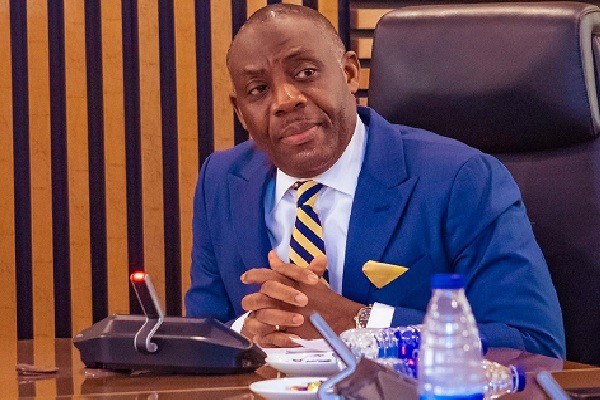
According to a statement by the minister’s Special Adviser on Media and Communications, Ikharo Attah, Alausa also instructed heads of higher institutions to strengthen intelligence gathering on campuses and collaborate more closely with the Department of State Services (DSS) and other security agencies to prevent criminal activities.
The minister stressed that universities, polytechnics and colleges of education must not provide a haven for criminal elements.
He warned that institutions should take decisive disciplinary action against any student proven to have participated in planning or carrying out kidnappings, saying such individuals have no place in Nigeria’s higher education system.
Alausa noted that although tertiary institutions across the country remain relatively safe, isolated incidents involving students outside campuses highlight the need for stronger surveillance and improved cooperation with security agencies.
He said the Federal Government remains committed to protecting learners at every level of education and ensuring that campuses remain secure environments for teaching and learning.
The minister disclosed that he recently met with the Minister of Defence, Gen. Christopher Musa (retd.), to develop a coordinated strategy aimed at strengthening the Safe Schools Initiative and improving security nationwide.
He also reaffirmed President Bola Tinubu’s directive prohibiting government institutions from negotiating with or paying ransom to kidnappers, warning that such actions only encourage criminal activities.
As part of efforts to improve security infrastructure, Alausa announced that Tertiary Education Trust Fund (TETFund) interventions for 2027 would include support for perimeter fencing and other security projects in higher institutions.
He further reiterated plans to expand the Energising Education Programme in partnership with the Federal Ministry of Power, enabling more institutions to benefit from improved electricity through solar energy and battery storage systems.
Earlier, the Pro-Chancellor of the Federal University of Lafia, Prof. Lola Akande, commended the Federal Government for its support but identified inadequate hostel facilities, electricity shortages at the institution’s second campus and security concerns as major challenges.
She disclosed that some students were suspected of participating in kidnapping operations outside the campus and maintained that paying ransom should never be encouraged because it fuels criminality.
Vice-Chancellor Prof. Mohammed Isa Kida also appealed for the extension of the Energising Education Programme to the university’s second campus, alongside additional office accommodation and staff support.
Responding, Alausa advised the university to submit formal requests through the appropriate intervention programmes, assuring the institution that projects meeting government requirements and national priorities would receive due consideration.
He reaffirmed the Federal Government’s commitment to improving campus security, expanding infrastructure and strengthening Nigeria’s higher education system through sustained reforms and strategic investments.
FURTHER READING