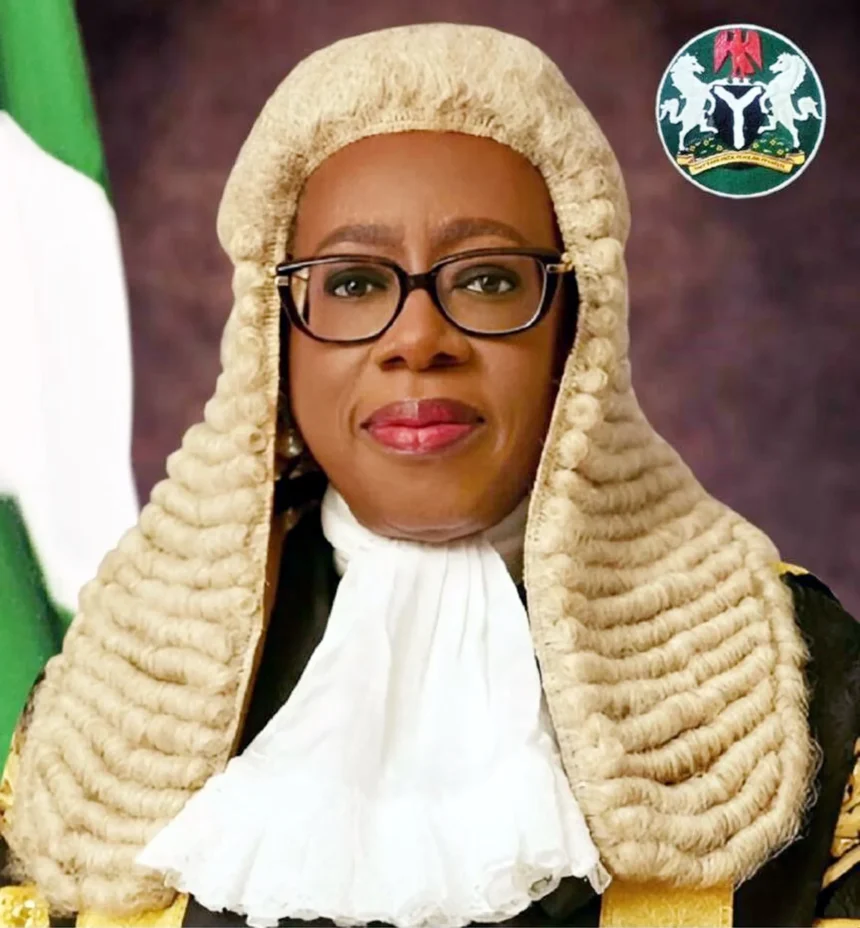
- The Nigerian Law Society has rejected the CJN’s directive banning “Barrister” as a title
- The society says the directive lacks clear legal backing
- It argues that “Esquire” is also not expressly recognised by the Legal Practitioners Act
The Nigerian Law Society (NLS) has opposed a directive by the Chief Justice of Nigeria (CJN), Justice Kudirat Kekere-Ekun, asking lawyers to stop using the title “Barrister” before their names in official engagements at the Supreme Court.
Eko Hot Blog gathered that the society argued that the directive lacks a clear foundation in the existing laws regulating the legal profession in Nigeria.
The controversy followed a July 13, 2026 memorandum signed by the Chief Registrar of the Supreme Court, Kabir Akanbi. The memo directed legal practitioners, court registrars and other lawyers to discontinue the use of “Barrister” as a prefix in their names when conducting official business at the apex court.
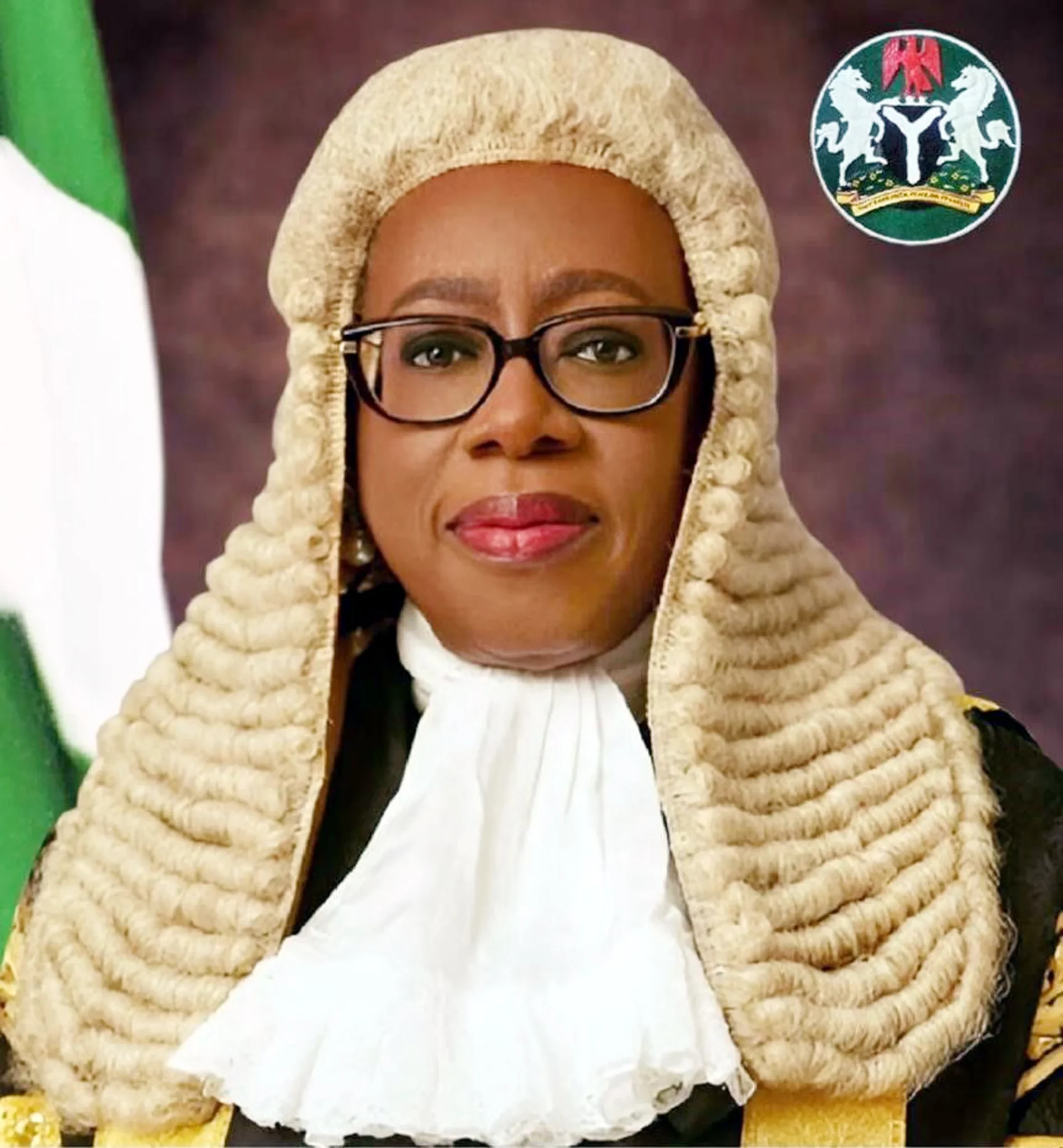
According to the Supreme Court, the directive was intended to strengthen professional standards and ensure uniformity in official engagements.
However, the NLS, through its Executive Director, Dr Tonye Jaja, rejected the position in a statement issued on Wednesday.
Jaja argued that the Legal Practitioners Act, 1962 recognises the professional designations “Barrister” and “Solicitor of the Supreme Court of Nigeria” for persons called to the Nigerian Bar.
He acknowledged that using only “Barrister” may not represent the complete professional designation of a Nigerian lawyer, but maintained that “Esquire”, which the Supreme Court has recommended as an alternative, is also not expressly provided for in the legislation.
The NLS therefore questioned the legal authority for replacing one title with another that does not appear in the relevant statute.
Jaja said the directive could not be linked to any specific provision of the Legal Practitioners Act, arguing that professional requirements imposed on lawyers should have a clear statutory basis.
He also rejected the suggestion that alternatives such as “Esquire”, “Barrister-at-Law” or “Attorney-at-Law” automatically have greater legal validity because they are being recommended by judicial authorities.
According to him, neither the CJN, the Legal Practitioners’ Privileges Committee (LPPC) nor the Nigerian Bar Association (NBA) can impose professional requirements that are not supported by the governing legislation.
The NLS also raised questions over what it described as inconsistent treatment of professional titles, particularly the Senior Counsel of Nigeria (SCN) designation, popularly associated with the “Blue Silks.”
Jaja argued that the SCN title is not expressly mentioned in the Legal Practitioners Act either, yet professional recognition has been accorded to titles and ranks that have evolved through established rules and professional practice.
He questioned why “Barrister”, which he said is expressly recognised under the existing legal framework, should be prohibited while titles not specifically contained in legislation continue to be used.
The society described the situation as an inconsistency in the regulation of professional titles within Nigeria’s legal system.
Jaja further argued that the Senior Advocate of Nigeria (SAN) designation itself was historically influenced by the British King’s Counsel system before Nigeria adopted the rank in 1975.
He said the historical development of professional titles demonstrated that the absence of a particular designation from a statute does not necessarily make its use unlawful.
The NLS also maintained that the SCN designation derives its authority from professional guidelines rather than direct statutory creation.
The dispute has therefore opened a wider debate over the authority to regulate professional titles used by Nigerian lawyers and whether such requirements must be expressly provided for in legislation.
At the centre of the disagreement is the question of whether the Supreme Court can restrict the use of “Barrister” and require lawyers to adopt “Esquire” when neither designation, according to the NLS, provides a complete statutory basis for the directive.
The development is expected to generate further discussion within Nigeria’s legal profession as lawyers and judicial authorities weigh the appropriate professional titles and the legal powers governing their use.