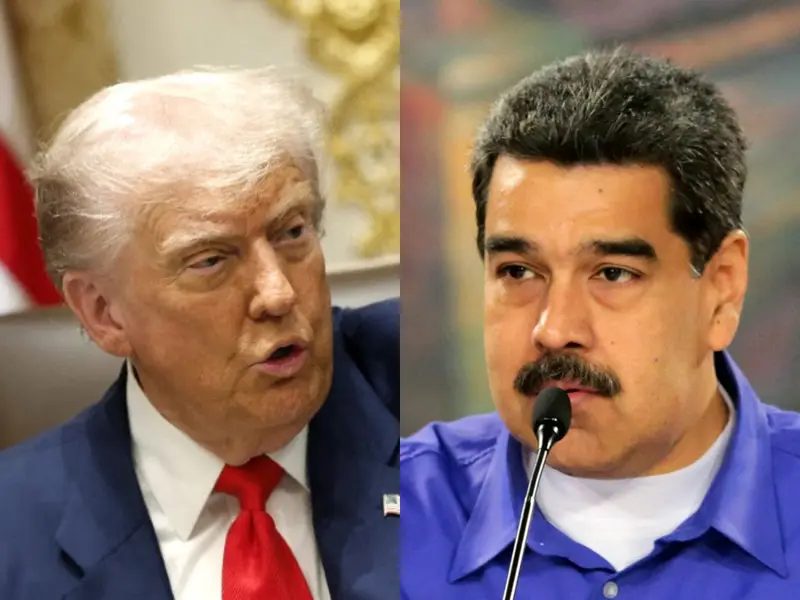
This modern twist on the 1823 Monroe Doctrine frames the Americas as firmly within the US sphere of influence, signaling a renewed willingness to intervene across the hemisphere without waiting for congressional approval or international consent.
EDITOR’S PICK
- Tax Reform Criticism Politically Motivated – NRS Boss
- Gumi Claims He Was Listed for Elimination After U.S. Airstrike
- Bolade Adeshina Speaks on Love, Marriage
Trump’s assertion comes amid mounting domestic and international scrutiny over the legality of the Venezuelan operation. Critics argue the action breaches the postwar legal order established to prevent powerful nations from intervening in weaker states. Trump counters that this is a continuation of longstanding US policy: defending the hemisphere from regimes he labels hostile to American interests.
Legally, the case against Maduro and his wife Cilia Flores hinges on a detailed indictment citing narco-terrorism, cocaine importation, and conspiracy involving machineguns.
They are now named alongside Héctor Guerrero Flores, leader of the Tren de Aragua criminal gang, suggesting a network of collaboration between state actors and organized crime. Yet intelligence memos released by the US Office of the Director of National Intelligence indicate there may be no direct link between Maduro and the gang, leaving legal experts predicting a vigorous defense based on immunity for foreign heads of state the so-called “Noriega defense.”
At home, the legality of Trump’s unilateral action raises constitutional questions. While Article 1 Section 8 grants Congress authority over war declarations, Article 2 empowers the president to direct armed forces.
Trump framed his move as a law enforcement operation against the Cartel de Los Soles, which he described as a criminal network led by Maduro. US lawmakers were largely kept in the dark due to operational secrecy, though Rubio emphasized that no formal war had been declared.
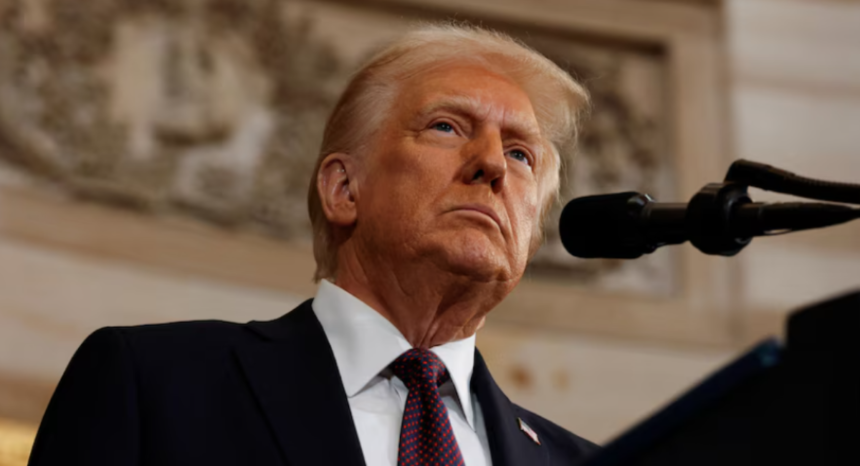
Internationally, the operation is reshaping diplomatic conversations. UN spokesperson Stéphane Dujarric warned the action sets a “dangerous precedent,” highlighting potential violations of the 1945 UN Charter, which prohibits the use of force against a nation’s territorial integrity. Trump’s interpretation, however, portrays America as reclaiming hemispheric primacy, echoing the original Monroe warning to European powers and now sending a message to global adversaries, including Russia and China, with vested interests in Venezuela.
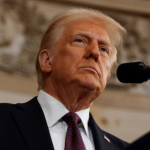
The Donroe Doctrine, as Trump brands it, is as much a strategic signal as a legal argument. “Under our new national security strategy, American dominance in the western hemisphere will never be questioned again,” he declared. This doctrine repositions the US as the central arbiter of political and security affairs in the Americas, asserting authority over allies and adversaries alike while bypassing traditional international legal mechanisms.
As US diplomats prepare to justify the operation at the UN, questions loom: How far can the US push the boundaries of international law? Will global norms adapt to unilateral actions justified under hemispheric security, or will this spark a broader geopolitical backlash? The Maduro operation is more than a legal test, it is a statement of US ambition in the 21st century global order.