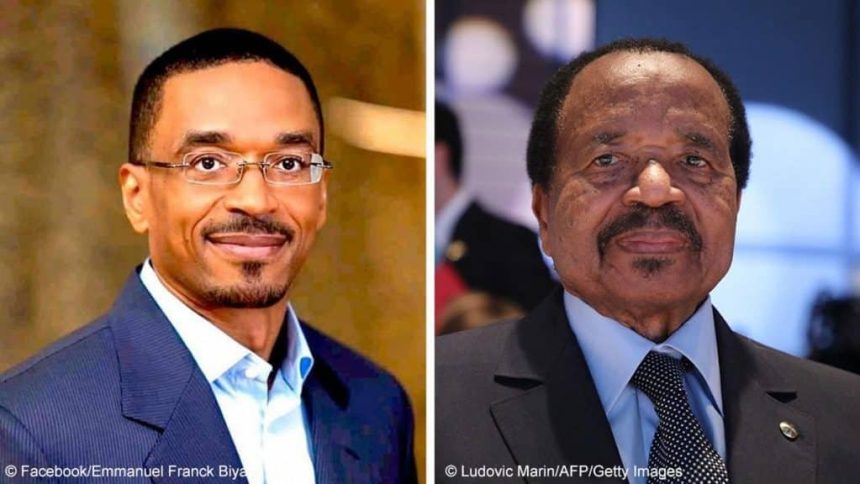
- Cameroon’s 40-Year Ruler Biya Names Son Vice President
- Move followed controversial election victory amid opposition fraud allegations and protests.
- Critics raised concerns over power consolidation within Biya’s family leadership structure.
Paul Biya has appointed his son, Franck Emmanuel Biya, as Vice President of the Republic and Head of the Armed Forces, placing him at the centre of the country’s political and military leadership.
The appointment was announced in an official decree dated April 4, 2026.
EDITOR’S PICKS
- Teenagers Attempt Bomb Attack At Maiduguri Teaching Hospital
- APC Elects New National Executives, Full List Emerges
- Why I Resigned As Kano Deputy Governor – Gwarzo
EKO HOT BLOG reports that the document also named Franck Biya as Minister Delegate at the Ministry of Defence, further strengthening his influence within Cameroon’s security structure.
The decree issued by the presidency outlined the new roles assigned to the president’s son.
“Mr Franck Emmanuel BIYA is appointed Vice President of the Republic of Cameroon,” the document stated.
It further added, “Mr Franck Emmanuel BIYA is appointed Head of the Armed Forces.”
The decree also specified that the new vice president would simultaneously serve in a defence capacity.
“The Vice President of the Republic, Mr Franck Emmanuel BIYA, is also appointed Minister Delegate at the Ministry of Defence of the Republic of Cameroon,” it read.
According to the presidency, the decision was taken in line with constitutional provisions and defence laws, noting that the appointments were based on “service requirements” and would be published urgently in the Official Gazette.
The development comes months after the 92 year old president was sworn in for an eighth term in office following a controversial election.
Biya reportedly secured 54 per cent of the vote, defeating opposition candidate Issa Tchiroma Bakary, who polled 35 per cent.
However, Tchiroma Bakary rejected the results, insisting he was the rightful winner and accusing authorities of electoral fraud.
The Cameroonian government denied the allegations.
The election triggered nationwide protests and drew international attention over concerns about the country’s democratic process.
Despite the controversy, Biya described the election as “satisfactory” and commended the electoral body for its conduct.
He also praised security forces for containing the protests, although he did not address allegations of excessive force used against demonstrators.
The Constitutional Council later dismissed multiple petitions challenging the election outcome, citing insufficient evidence or lack of jurisdiction.
Biya has ruled Cameroon since 1982, when he succeeded former president Ahmadou Ahidjo, making him one of Africa’s longest serving leaders.
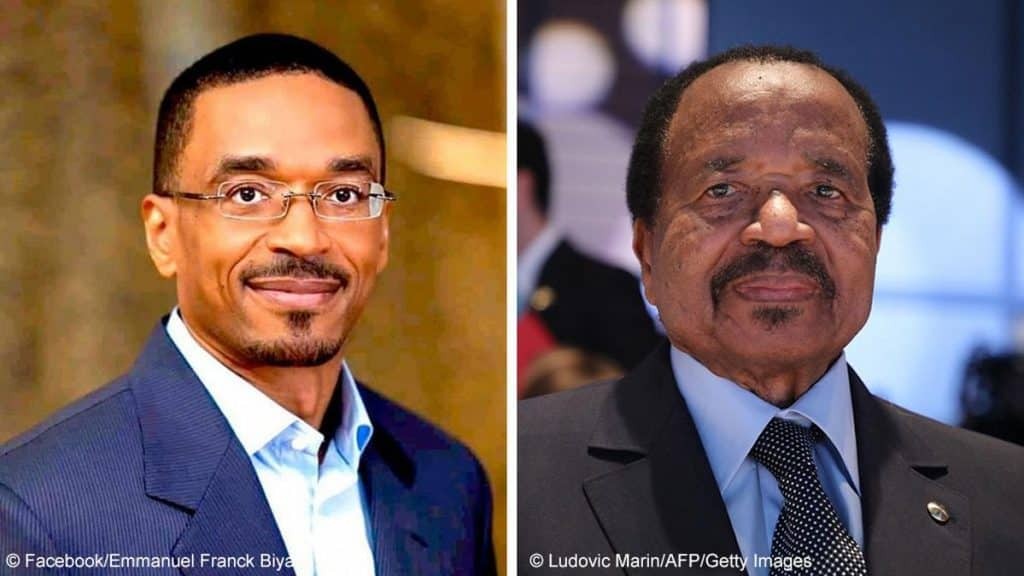
The appointment of his son to two key positions is expected to heighten concerns among critics who accuse the president of consolidating power within his family.