- The retail cost of Liquefied Petroleum Gas (LPG), commonly known as cooking gas, has crossed ₦1,500 per kilogram across Nigeria, forcing low-income families and small food vendors under severe financial pressure.
- The Nigerian Association of Liquefied Petroleum Gas Marketers (NALPGAM) reported that operators are now forced to pay between ₦25.2 million and ₦26.2 million for a single 20-metric-tonne truckload of gas.
- The severe supply shortage and prohibitive pricing are actively driving households back to traditional, unsafe energy sources like firewood and charcoal, reversing years of national environmental and public health progress.
The Nigerian Association of Liquefied Petroleum Gas Marketers has raised the alarm over the erratic supply and rising cost of Liquefied Petroleum Gas, otherwise known as cooking gas, warning that the situation could trigger scarcity and worsen hardship for millions of Nigerians.
Eko Hot Blog reports that in an emergency joint communique released on Sunday, May 24, 2026, signed by NALPGAM National President Edu Inyang and Executive Secretary Bassey Essien, the union labeled the current market layout as sad, pathetic, and highly dangerous.
EDITOR’S PICK
- Fresh Details Emerge on Death of Odomola Monarch, Oba Adebowale Adeshina
- Sanwo-Olu Applauds LASU’s Academic Excellence After JAMB Ranking
- NRC Moves 176,820 Tonnes Of Cargo Through Lagos Ports In Q1
The executive leadership expressed strong fears that if the federal regulatory boards do not step in immediately to stabilize the distribution chain, frustrated citizens might resort to aggressive public backlash against the operators of local gas filling stations.
Market checks carried out across major commercial hubs confirm that the essential household commodity jumped rapidly from less than ₦1,000 per kg to an average baseline of ₦1,500, with several sub-dealers in hard-to-reach locations retailing the product for as high as ₦1,600 to ₦2,000 per kg.
NALPGAM attributed the severe price hike to a complex mix of persistent supply shortages at the primary depots, logistics bottlenecks along key transit routes, and uncontrollable operational costs faced by independent distributors.
The association stated that where the product is physically available, the current pricing model has effectively moved cooking gas from a basic social item to a luxury completely out of reach for the average Nigerian.
The current energy crisis poses an immediate threat to the federal government’s National Clean Energy Transition Agenda, which historically drove Nigeria’s annual LPG consumption upward to two million metric tonnes by 2025.
Marketers report that the ongoing financial strain is systematically wiping out those environmental milestones. Unable to afford standard cylinder refills, millions of urban and rural households are being priced out of the clean energy market, forcing a massive domestic regression toward deforestation-heavy fuels like charcoal.
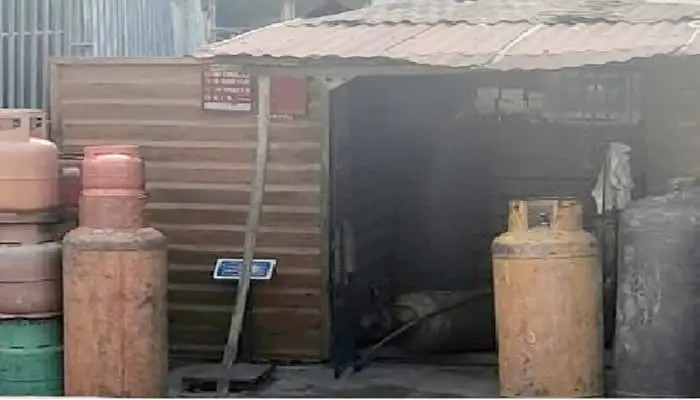
This sudden shift carries severe long-term implications for public respiratory health, environmental safety, and the country’s carbon emission reduction commitments.
Warning that a failure to correct the supply deficit will accelerate nationwide food inflation and trigger widespread job losses within the retail energy sector, NALPGAM made a passionate appeal for immediate, coordinated state intervention.
The body called on the Ministry of Petroleum Resources, the Nigerian National Petroleum Company Limited (NNPC), and the Nigerian Midstream and Downstream Petroleum Regulatory Authority (NMDPRA) to increase domestic gas allocations, clear systemic import blockages, and expand national storage infrastructure.
The association emphasized its readiness to partner with state regulatory teams to build a fair, transparent distribution network, but maintained that decisive executive action is required immediately to salvage the market.