- Dangote Refinery Reduces Petrol Price to ₦828 per Litre
- The adjustment follows a new crude supply deal with NNPC Ltd.
- Marketers expect lower pump prices nationwide in coming days.
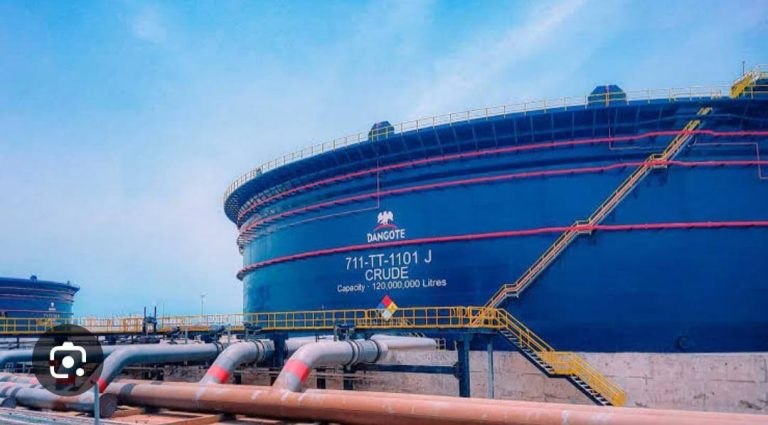
The Dangote Petroleum Refinery has reduced the ex-depot price of Premium Motor Spirit (PMS) from ₦877 to ₦828 per litre, marking a 5.6 percent decrease aimed at easing market pressure and stabilising fuel supply across the country.
EDITOR’S PICKS
- Emirates To Resume Flights To Nigeria After Two-Year Suspension
- Trump: BBC Questions Data Behind ‘Christian Genocide’ Claims In Nigeria
- PDP Faction Postpones Ekiti Governorship Primary
EKO HOT BLOG reports that the price adjustment comes even as global crude oil prices rose to an average of $64 per barrel on Thursday, up from $62 the previous day.
According to findings by Vanguard, the reduction follows a reinforced crude supply agreement between Dangote Refinery and the Nigerian National Petroleum Company Limited (NNPC Ltd) under the naira-for-crude framework. The deal ensures the 650,000-barrels-per-day facility receives five December-loading crude cargoes, including Amenam, Bonny Light, Forcados, and Qua Iboe grades.
Industry sources confirmed that the arrangement has improved supply consistency while reducing operating costs for the refinery.
Petroleumprice.ng also reported that loading at the adjusted price commenced early Friday at the Lagos depot.
“The new gantry price is expected to bring relief to fuel marketers and consumers nationwide after weeks of high pump prices,” the platform noted.
Fuel marketers are now anticipating a downward adjustment in retail pump prices in the coming days, depending on logistics and distribution factors.
Despite the latest revision, Dangote’s petrol remains below the import parity level, maintaining a competitive edge over imported alternatives.
A report by S&P Global Commodity Insights, presented during the Major Energy Marketers Association of Nigeria (MEMAN) conference in Lagos, revealed that as of October 17, 2025, Dangote’s price of ₦877 per litre was already lower than the average “into-tank” cost of imported petrol in Lagos and the ship-to-ship (STS) transfer price in Lome, Togo.
S&P added that this pricing advantage has continued despite global oil market volatility and sanctions affecting Russian crude exports. It also noted a sharp decline in Nigeria’s fuel import volumes, which have dropped to below 200,000 barrels per day from about 500,000 barrels per day in early 2023, signalling the growing influence of local refining capacity.
FURTHER READING
- Tinubu Swears In Two New Ministers
- Hilda Baci Receives Second Guinness World Record Plaque
- Senate Passes Landmark Bill: Lecturers Who S3xually Harass Students to Face 14 Years in Jail