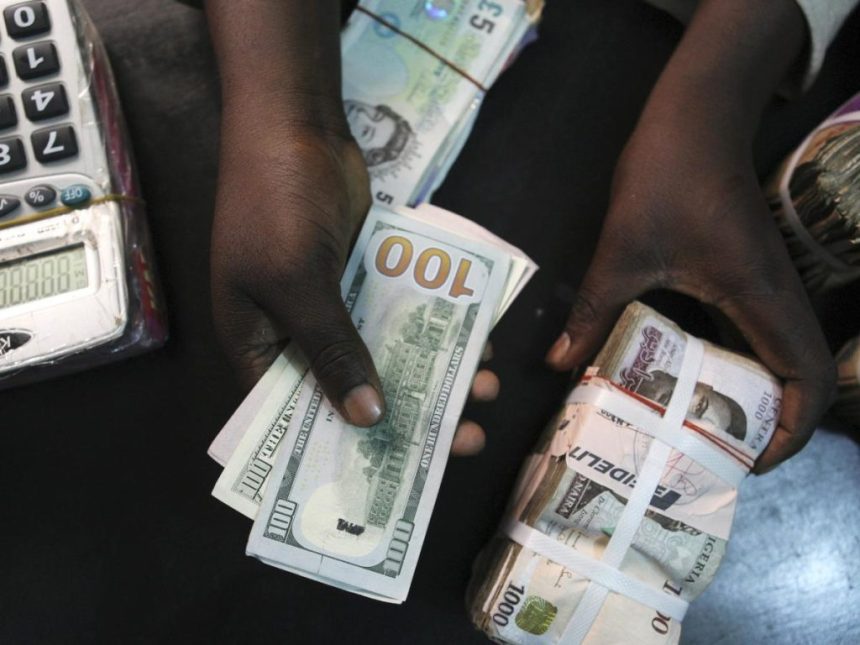
- Dollar to Naira Exchange Rate Today, January 14, 2026
- Black market rate stays significantly higher than official rate
- Forex scarcity continues to impact prices and business costs
The exchange rate between the United States dollar and the Nigerian naira remained under pressure on Wednesday, January 14, 2026, as foreign exchange demand continued to outstrip supply across both official and parallel markets.
EDITOR’S PICKS
- Kano Court Hands Death Sentence to Father Who Poisoned Newborn
- Lagos Assembly Approves ₦4.44 Trillion Budget for 2026
- Nigeria Fast-Tracks AH-1Z Helicopters to Boost Counterterrorism
EKO HOT BLOG reports that at the official foreign exchange window, the naira traded relatively stable, reflecting ongoing efforts by monetary authorities to manage volatility and improve liquidity. However, the gap between the official rate and the parallel market rate remains wide, a situation that continues to influence prices of goods, services and investment decisions across the economy.
In the parallel market, also known as the black market, the naira weakened further against the dollar. Currency dealers cited sustained demand for dollars from importers, travelers and businesses as key factors driving the pressure. Analysts say limited dollar inflows and cautious investor sentiment continue to weigh heavily on the local currency.
Below is a breakdown of the Dollar to Naira exchange rate as of today.
| Market | Buying Rate | Selling Rate |
|---|---|---|
| Black Market | ₦1,490 | ₦1,505 |
| Official Market | ₦1,420 | ₦1,430 |
Market watchers note that while the official rate shows relative calm, the parallel market remains a clearer reflection of real time demand and supply dynamics. The persistent disparity between both rates has continued to raise concerns among businesses that rely heavily on imported raw materials and finished goods.
Economists warn that without a significant boost in foreign exchange inflows, either through increased oil earnings, foreign investment or diaspora remittances, pressure on the naira may persist in the short term. They also stress the need for consistent policy implementation to restore confidence in the foreign exchange market.
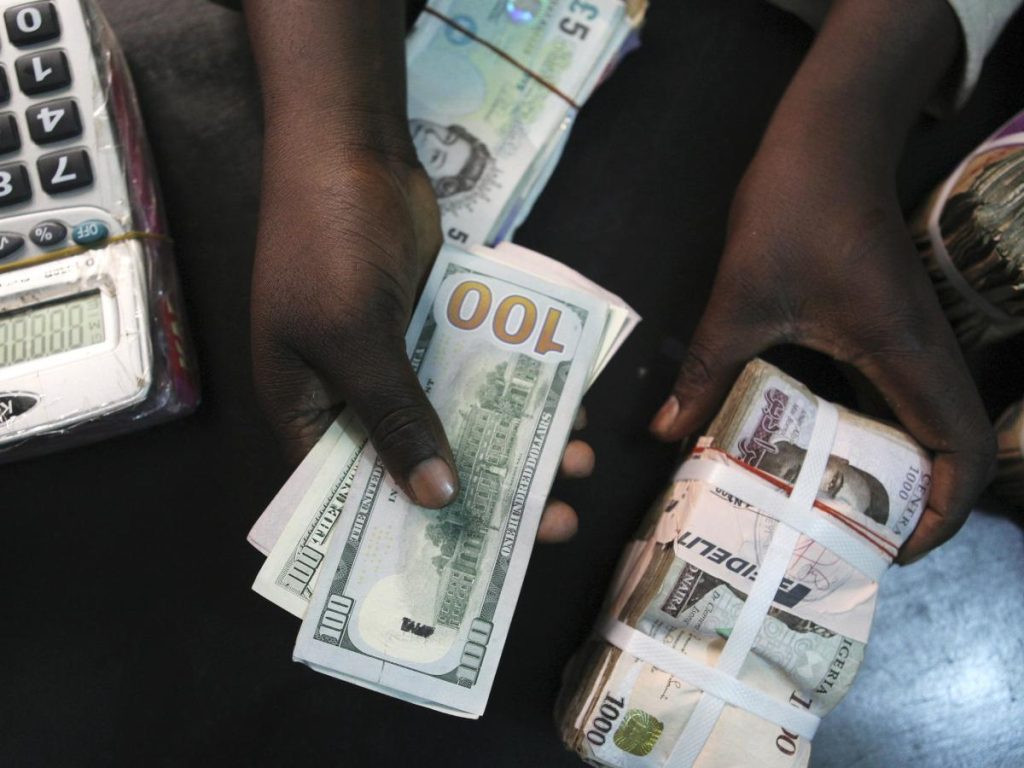
For ordinary Nigerians, the continued weakness of the naira means higher living costs, especially as import dependent sectors adjust prices to reflect rising dollar rates. Businesses are also bracing for further cost increases, which may eventually be passed on to consumers.
FURTHER READING
- Bandits Refuse Negotiation, Demand ₦300m to Free Nine Abducted in Kwara Community
- Tinubu Projects Inflation to Fall Below 10% in 2026
- NGX’s N100trn Market Cap Signals Renewed Investor Confidence – Tinubu