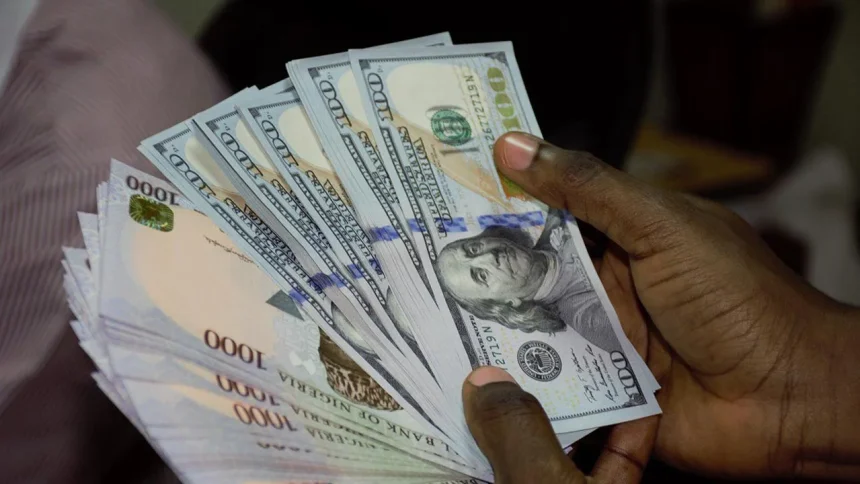
- Dollar to Naira Exchange Rate Today, May 27th, 2026
- Dollar selling rate reached ₦1395 in parallel market on May 27th, 2026.
- Gap between official and black market rates remains a key concern.
The Naira continued to trade under pressure against the United States Dollar on the parallel market on Tuesday, May 27th, 2026, as demand for foreign exchange remained strong across major trading hubs in Nigeria.
EDITOR’S PICKS
- LASG Funds 80 Researchers, 75 Startups With N900m
- NLC, TUC Raise Alarm Over Workers’ Rights Violations In Nigeria
- Alex Ekubo’s Family Confirms Actor Died Of Advanced Kidney Cancer
EKO HOT BLOG reports that currency traders in Lagos and Abuja reported that the Dollar maintained a wide spread between buying and selling rates in the black market, reflecting ongoing liquidity challenges in the informal forex segment.
Dollar to Naira Black Market Rate Today
| Dollar to Naira (USD to NGN) | Black Market Exchange Rate Today |
| Selling Rate | ₦1395 |
| Buying Rate | ₦1385 |
Dollar to Naira CBN Rate Today
| Dollar to Naira (USD to NGN) | CBN Rate Today |
| Highest Rate | ₦1377 |
| Lowest Rate | ₦1373 |
At the parallel market, also known as the black market, the Dollar to Naira exchange rate stood at ₦1385 for buying and ₦1395 for selling. This indicates a slight margin between buyers and sellers as traders adjust to fluctuating demand.
In contrast, the Central Bank of Nigeria, CBN, official rate remained comparatively lower, trading between ₦1373 and ₦1377. The gap between the official window and the parallel market continues to reflect persistent pressure in Nigeria’s foreign exchange system.
Market analysts say the difference between both markets is driven by limited dollar supply in official channels, forcing businesses and individuals to rely more on the parallel market for immediate transactions.
Importers and travelers are particularly affected, as higher black market rates increase the cost of foreign payments and international obligations. This continues to raise concerns about inflationary pressure in the broader economy.
Financial experts maintain that stabilizing the naira will depend largely on improved dollar inflows, stronger export earnings, and sustained confidence in official forex policies.