- Dr. Alausa Inaugurates Panel to Ensure Quality, Affordability of School Learning Materials
- Says there is no robust ranking system or clearly defined quality standards
- The initiative aligns with the Federal Government’s Renewed Hope Agenda under President Bola Ahmed Tinubu, GCFR
The Federal Ministry of Education has inaugurated a new initiative aimed at strengthening and streamlining the assessment, quality assurance, and selection of textbooks and instructional materials for schools across Nigeria.
Eko Hot Blog reports that the initiative targets both basic and senior secondary education levels.
EDITOR’S PICK
- Pune Murder: Nigerians Held for Beating Friend to Death Over Romantic Dispute
- Opposition’s Outrage Over US Lobbying “Orchestrated and Misguided” – APC
- PHOTOSTORY: Family and Friends Pay Tribute to Erelu Aminat Titilo
In his inaugural speech, the Minister of Education, Dr. Maruf Tunji Alausa, CON, highlighted the critical role textbooks and instructional resources play in shaping the educational journey of millions of Nigerian children. He stressed that the initiative is intended to ensure that learning materials are credible, effective, and aligned with curriculum objectives.
Dr. Alausa acknowledged that while existing textbook approval processes provide a basic framework, significant gaps remain. Currently, there is no robust ranking system or clearly defined quality standards, meaning materials that meet only minimum requirements can be approved alongside high-quality textbooks.
He noted that revisions of instructional materials often provide minimal educational improvement, with many updates being cosmetic, such as changes in formatting or pagination. Such practices have not only limited meaningful content enhancement but have also placed financial pressure on parents who must purchase new editions each year.
Another concern highlighted is the growing trend of embedding pupils’ and students’ workbooks directly into textbooks, requiring annual repurchase even when core instructional content remains unchanged. This practice undermines affordability, sustainability, and resource efficiency within schools.
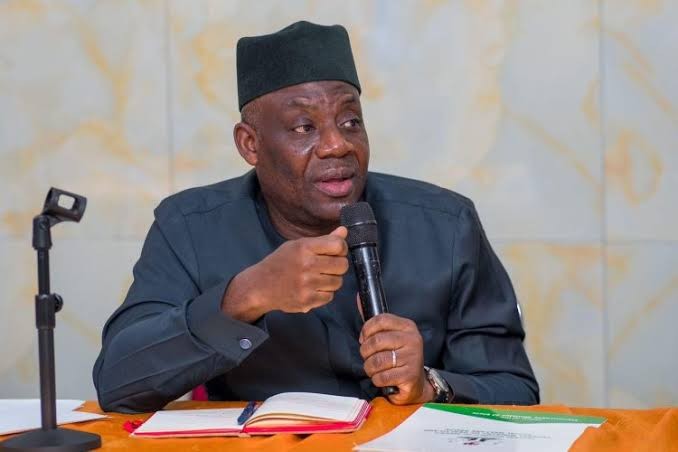
The newly inaugurated committee has been tasked with reviewing the current approval frameworks, recommending strengthened assessment tools and ranking systems, and defining clear quality benchmarks. Members are also expected to propose mechanisms for edition control, pricing transparency, and the separation of textbooks from consumable workbooks, protecting families from unnecessary financial burdens.
Dr. Alausa urged the committee to conduct its work with evidence, professionalism, and objectivity, ensuring recommendations reflect curriculum alignment, learner-centered pedagogy, inclusiveness, cultural relevance, and digital readiness.
The initiative aligns with the Federal Government’s Renewed Hope Agenda under President Bola Ahmed Tinubu, GCFR, which emphasises education quality, system efficiency, accountability, and value for money in public service delivery.
“The decisions that flow from this committee will shape classrooms, influence learning outcomes, and impact families across our nation,” Dr. Alausa said. “By strengthening how we assess, approve, and deploy instructional materials, we are strengthening the very foundation of our education system.”
He formally inaugurated the committee, calling on members to raise standards, restore public confidence, and deliver quality education that serves the future of Nigeria.
FURTHER READING
- Malami’s Lawyers Return to Court Over Fresh Concerns Over Bail Surety
- BBNaija Star Liquorose Mourns Father’s Death
- South Korean Ex-President Yoon Jailed Over Martial Law Plot
Click here to watch video of the week