- Dr. Alausa Urges Polytechnics to Champion Innovation, Governance, and Sustainability
- Dr Alausa urged polytechnics to establish entrepreneurship centres
- COHEADS Calls for Collaboration
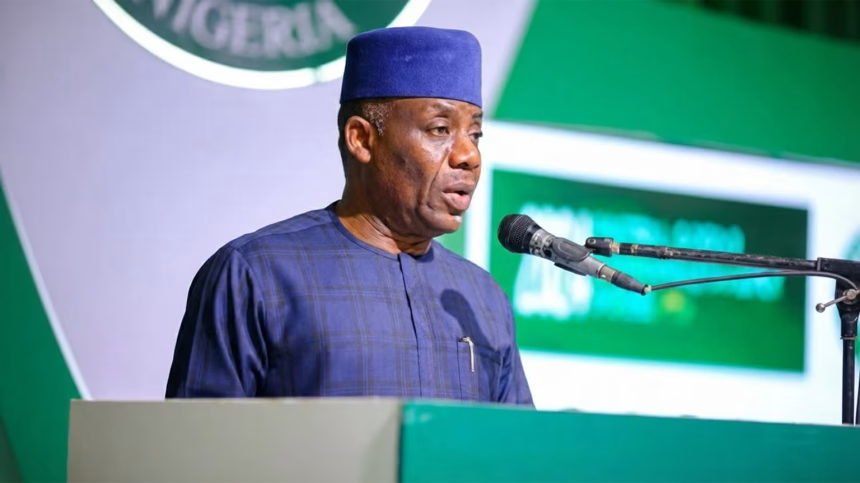
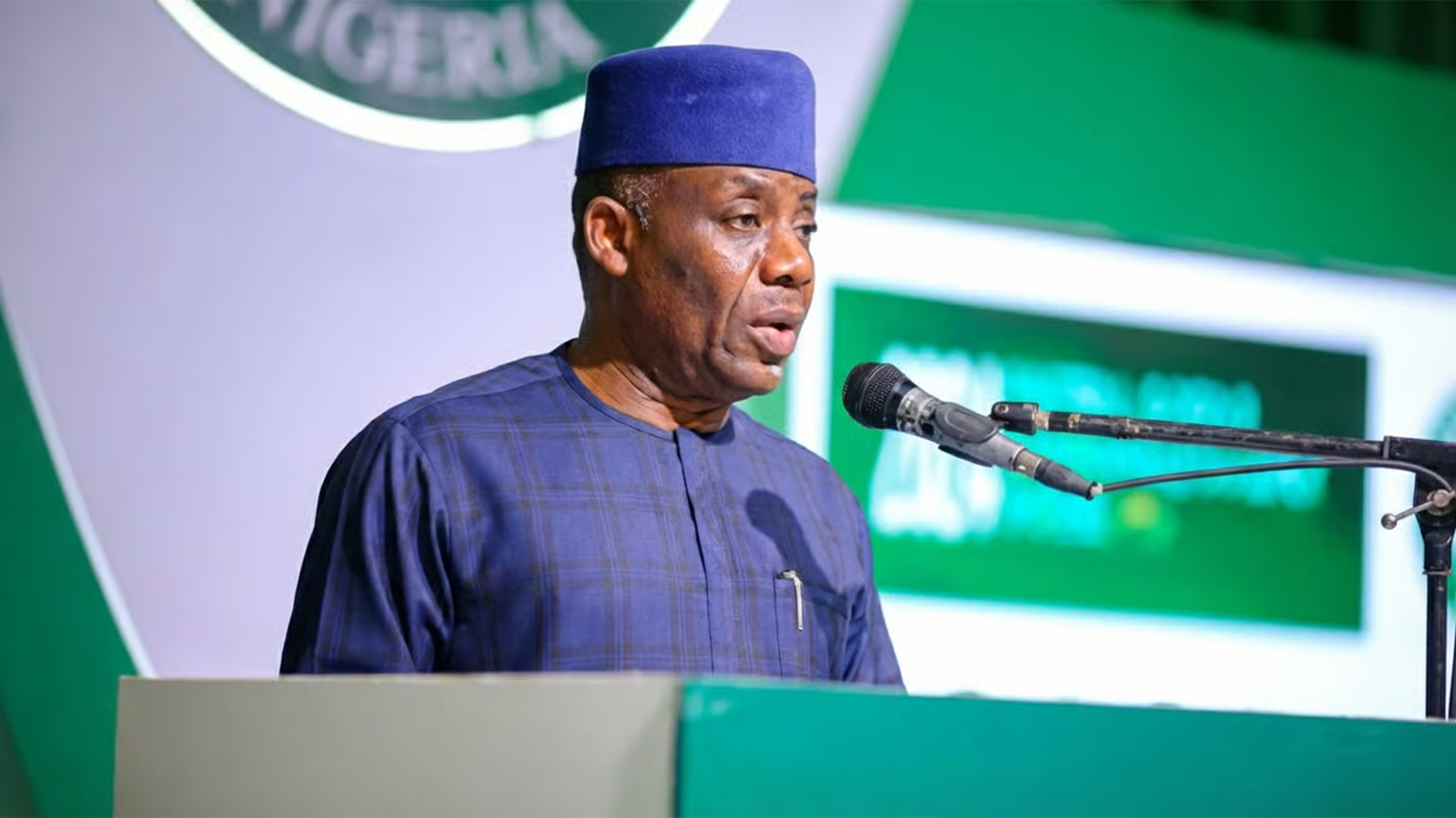
The Minister of Education, Dr Tunji Alausa, has called on Nigeria’s polytechnics to lead in innovation, good governance, and sustainable practices to accelerate national development, Eko Hot Blog reports.
Speaking at a retreat organised by the Council for Heads of Polytechnics and Colleges of Technology in Nigeria (COHEADS) for governing council chairmen, commissioners of education, rectors, registrars, and bursars, Alausa highlighted the pivotal role of Technical and Vocational Education and Training (TVET) in producing industry-ready graduates equipped with practical problem-solving skills.
EDITOR’S PICK
- EFCC Arraigns Man for Allegedly Defrauding US Investors of $525,276
- Tinubu’s State Visit Yields Nigeria–Turkey Diaspora Partnership
- FG, States, LGs Receive ₦1.969trn as FAAC Allocation for December 2025
Themed “Transforming Polytechnic Education in Nigeria: Innovation, Good Governance and Sustainability for National Development,” the retreat provided a platform for discussions on enhancing polytechnic performance and societal impact.
Dr Alausa urged polytechnics to establish entrepreneurship centres, research hubs, and industry partnerships that convert ideas into prototypes and inventions into enterprises, ensuring graduates emerge as job creators.
“Innovation must be the heartbeat of our polytechnics. Institutions should lead in sectors like renewable energy, agriculture technology, digital manufacturing, and climate-resilient solutions to contribute directly to Nigeria’s Sustainable Development Goals,” he said.
Promoting Good Governance and Ethical Leadership
The Minister emphasised that transparency, accountability, and ethical leadership must underpin all governing council activities, declaring that the era of impunity was over with zero tolerance for corruption.
He also stressed the importance of sustainability through long-term funding models, increased internally generated revenue, eco-friendly campuses, and infrastructure that reduces reliance on imports via local production.
Chairman of COHEADS, Dr Sani Tunga, highlighted the critical role polytechnics play in producing skilled and entrepreneurial manpower for national diversification.
Tunga acknowledged challenges such as inadequate funding, outdated infrastructure, governance gaps, and the need to align training with evolving industry demands. He stressed that the retreat offered an opportunity to explore innovative curriculum development, strengthen industry partnerships, and reinforce principles of transparency and ethical leadership.
He also pointed out recurring conflicts between governing councils, management, and staff unions, which often hinder institutional progress, noting that the retreat would encourage dialogue and best practice sharing to minimise such conflicts.
The Executive Secretary of the National Board for Technical Education (NBTE), Prof. Idris Bugaje, stated that deliberate policy actions in the last two years had revitalised the TVET sector.
He noted that the ongoing amendment of the Polytechnic Act, which has passed second reading in the House of Representatives, would allow polytechnics to award National Diplomas and Bachelor of Technology degrees in science, technology, and engineering programmes. Non-science programmes will continue under the Higher National Diploma (HND) structure, with clear progression to postgraduate diplomas and master’s degrees.
Bugaje also disclosed that technical education is now free in Federal Technical Colleges, with stipends provided to boost enrolment and retention. Skills Training Centres have been established nationwide, engaging thousands of trainers to empower youths through practical skills acquisition.
He concluded by urging stakeholders to support the reforms fully, encouraging polytechnics to prioritise skills-based education rather than replicating the university system.