- The latest Ebola outbreak in the Democratic Republic of Congo (DRC) has claimed over 2,000 lives out of more than 4,300 confirmed cases, bringing the epidemic close to becoming the deadliest in the country’s history.
- Driven by the rare Bundibugyo virus strain, for which no specific approved vaccine or targeted treatment exists, the outbreak is spreading rapidly across eastern provinces hampered by violent conflict and weak health infrastructure.
- Health experts and virologists have criticized the initial intervention as “slow and ineffective,” while global health bodies scramble to launch clinical trials testing whether existing vaccines offer cross-protection.
A devastating Ebola outbreak in the eastern and northeastern regions of the Democratic Republic of Congo has crossed a grim milestone, killing more than 2,000 people and threatening to become the country’s largest and most severe health crisis on record.
Eko Hot Blog reports that according to official figures released on Tuesday by Congolese health authorities, 2,011 people have died out of 4,381 confirmed cases.
EDITOR’S PICK
- Tinubu Approves Army Expansion, Recruitment of 28,000 Personnel
- Aregbesola Claims Record as First Nigerian Governor to Serve Eight Years Without Owning a House
- Ikosi-Ejinrin LCDA Commissions Fully Equipped NSCDC Divisional Headquarters, Donates Patrol Vehicle and Motorcycle to Boost Security
The surge, which marks the DRC’s 17th outbreak of the highly contagious virus, carries an estimated case fatality rate of 45.9 percent.
The current death toll is closing in on the country’s previous deadliest epidemic between 2018 and 2020, which recorded nearly 2,300 fatalities.
The epidemic was officially declared on May 15 after initial cases emerged in the northeastern Ituri province, though health officials believe the virus had been circulating undetected since February.
It has since expanded into neighboring North Kivu, Haut-Uélé, and Tshopo provinces.
Response efforts have been severely crippled by ongoing armed conflict, widespread displacement, and deep community mistrust, with World Health Organization (WHO) officials reporting that up to 70 percent of victims are dying at home rather than in isolation centers.
Adding to the containment challenge is the specific pathogen responsible for the surge: the rare Bundibugyo virus strain. Unlike the more common Zaire strain, there is currently no licensed vaccine or proven medical treatment specifically tailored to the Bundibugyo species.
In response to the growing emergency, WHO vaccine experts have recommended full-scale human trials using the approved Ervebo vaccine, originally developed for the Zaire strain, to determine if it provides cross-protective immunity.
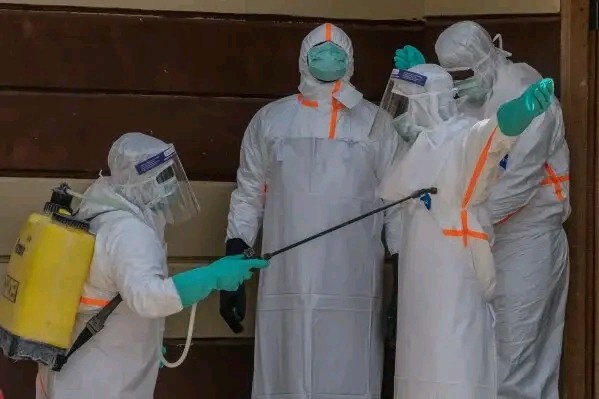
The Gavi global vaccine alliance has mobilized doses from its 500,000-dose stockpile to support the trial in the DRC.
Renowned Congolese virologist Dr. Jean-Jacques Muyembe, co-discoverer of the Ebola virus in 1976, publicly criticized the national response effort as “slow and ineffective,” citing coordination bottlenecks.
However, Congolese Health Minister Samuel Roger Kamba expressed optimism that despite not having reached the peak of transmission yet, heightened surveillance and incoming medical interventions should bring the outbreak under control within the next three months.
FURTHER READING