- FG Calls for Local Solutions as Nigeria Battles World’s Highest Malaria Burden
- Pate lamented that most solutions are still being driven by outsiders
- Lynda Ozo, listed insecurity, climate change, insecticide resistance, and funding gaps as major hurdles
The Federal Government has raised concerns that Nigeria could fail to meet the global target of eliminating malaria if urgent steps are not taken to fund and drive the fight locally.
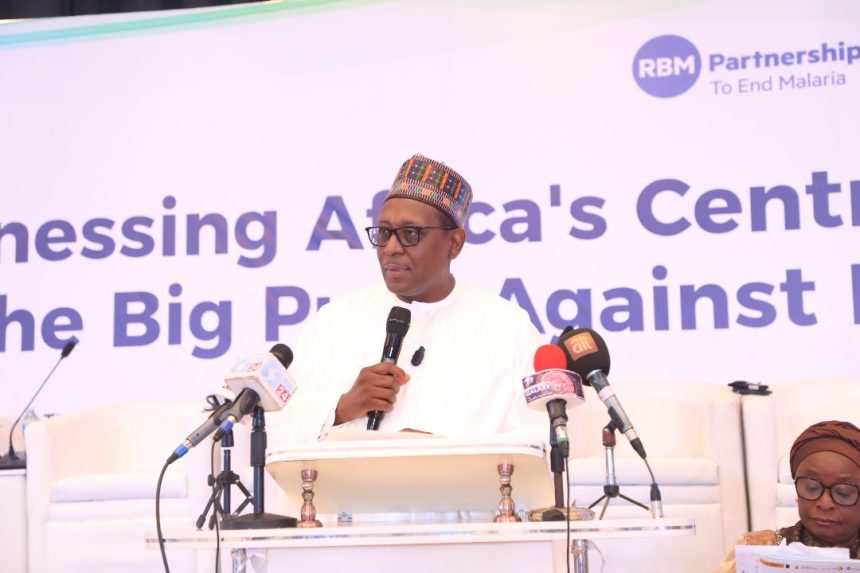
Eko Hot Blog reports that the Coordinating Minister of Health and Social Welfare, Prof. Muhammad Ali Pate, made the warning on Thursday at The Big Push Malaria Conference in Abuja, themed “Harnessing Africa’s Central Role for the Big Push Against Malaria.”
EDITOR’S PICK
- Wike Commends Tinubu For Restoring Democracy In Rivers, Reinstating Fubara
- Full List Of Events That Led To Fubara’s Removal As He Resumes Tomorrow
- Oluremi Tinubu Hails Hilda Baci as Inspiration to Women, Youths
Pate lamented that despite Africa carrying 90 percent of the world’s malaria burden, most solutions are still being driven by outsiders.
“More than 90 percent of malaria cases are here in Nigeria and a few other African countries. Yet, we’ve largely outsourced the fight. The question is: have we really owned it? Have we committed enough of our own resources, or are we still waiting for solutions from Geneva and elsewhere?” he asked.
While acknowledging billions of dollars in support from international partners like the Global Fund and Gates Foundation, the minister insisted that African countries must take ownership of the fight.
He also expressed disappointment at the low uptake of malaria vaccines in pilot states like Bayelsa and Kebbi, promising more enlightenment campaigns. Pate further suggested relocating the headquarters of the Roll Back Malaria Partnership back to Africa, “where the burden is greatest.”
Stakeholders at the event echoed similar concerns.
Dr. Nnenna Ogbulafor, National Coordinator of the National Malaria Elimination Programme, said Nigeria must push for homegrown solutions.
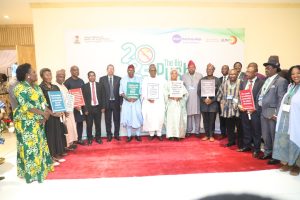
“Over 600 million insecticide-treated nets have been distributed, but none produced here. Local production will soon begin, and this will create jobs as well as sustain interventions,” she noted.
The Malaria Technical Working Group’s representative, Lynda Ozo, listed insecurity, climate change, insecticide resistance, and funding gaps as major hurdles but said strong leadership and national commitment could still put Nigeria back on track.
From the legislative angle, lawmakers promised more support. Hon. Godwin Ogah, Chairman of the House Committee on HIV/AIDS, Tuberculosis, Leprosy, and Malaria Control, revealed that moves are underway to create a separate budget line for malaria.
Hon. Billy Osawaru added that funding malaria should now be seen as an investment: “Eliminating malaria will impact GDP growth in the years ahead. We can’t afford to sit back and wait for Ghana or Rwanda to act first. The time to act is now.”
Stakeholders agreed that the “Big Push” against malaria must focus on domestic financing, local production, community engagement, and political will if Nigeria is to meet the 2030 elimination goal.