- How Court Order Froze Three Osun Accounts
- Tinubu directed EFCC to seek cancellation of the freezing order.
- Osun government challenged the restrictions, seeking ₦2bn damages in court.
A fresh court document has revealed that the Economic and Financial Crimes Commission obtained an order to freeze three bank accounts belonging to the Osun State Government over alleged diversion of public funds and money laundering.
The order was granted by the Federal High Court in Abuja on August 5, 2026, authorising the EFCC to restrict transactions on the accounts pending the conclusion of its investigation and any subsequent prosecution.
EDITOR’S PICKS
- Olodo Uprising: Sanwo-Olu Advises Youths to Embrace Knowledge, Curiosity
- BBN Season 11 Kicks Off with Unveiling of 24 Housemates Competing for ₦160m Grand Prize
- Why Africa Must Stop Exporting Raw Materials, Lessons From Benin for Nigeria
EKO HOT BLOG reports that
The development has provided further details on the scope of the EFCC’s action, which has generated controversy less than two weeks before the August 15 Osun State governorship election.
According to the court document obtained by SaharaReporters, Justice M.G. Umar granted the EFCC’s ex parte application in Suit No. FHC/ABJ/CS/1750/2026.
The case was filed under the title, “In the Matter of an Application by the Executive Chairman of the EFCC.”
The affected accounts include the Osun State Government Federal Allocation Account domiciled with First Bank and two Osun State Joint Allocation Accounts domiciled with Zenith Bank.
The EFCC told the court that the accounts were “currently being investigated in a case of diversion of public funds and money laundering pending conclusion of investigation and prosecution.”
Justice Umar granted the application after EFCC counsel, M.A. Babatunde, moved the motion ex parte.
The commission asked the court to authorise its chairman, or any officer authorised by him, to direct the affected banks to freeze the accounts listed in the schedule attached to the application.
The application was supported by an affidavit sworn to by EFCC investigator Ikenna Chukwueze and an exhibit marked “EFCC 1.”
The court ordered that the restrictions remain in force pending the conclusion of the investigation and prosecution.
The newly obtained document indicates that the EFCC’s action extended beyond the single account that was initially at the centre of public discussion.
Tinubu Directs EFCC To Seek Vacation Of Order
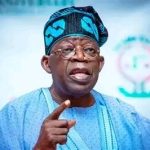
The revelation came a day after President Bola Tinubu directed the EFCC to return to court and seek the vacation of the freezing order.
Tinubu said he was concerned that the timing of the action, coming shortly before the governorship election, could create the impression that the Federal Government was interfering in the electoral process.
The President, however, acknowledged that the EFCC had acted pursuant to a court order and within its statutory mandate.
His intervention has since sparked debate over the independence of the anti graft agency and the extent to which political considerations should influence ongoing corruption investigations.
EFCC Explains Reason For Freezing Accounts
Before the presidential directive, the EFCC said it had been investigating the Osun State Government since March over the alleged handling of Ecology Funds, Intervention Funds and Federation Account Allocation Committee allocations amounting to about ₦11 billion.
The commission said the investigation alone would not have led to the freezing of the accounts.
However, it claimed that investigators detected what it described as “precipitate and unwarranted” movements of funds into several corporate entities from August 2.
The EFCC said the restrictions were imposed to prevent the possible dissipation of public funds.
The commission also denied that the action was politically motivated.
Osun Government Challenges EFCC In Court
The Osun State Government subsequently filed a suit against the EFCC, its chairman and First Bank, challenging the legality of the restrictions placed on the accounts.
Court filings reportedly showed that the state argued that the affected statutory allocation accounts were used to pay salaries, pensions and contractors.
The government also said the accounts were necessary for funding healthcare, education, security and other essential obligations.
It alleged that freezing the accounts shortly before the governorship election was intended to cripple the state government’s operations during a politically sensitive period.
The Osun State Government consequently asked the court to order the unfreezing of the accounts and award ₦2 billion in damages.
FURTHER READING
- Reps Probe N1.32bn Foreign Investment Council
- Abike Dabiri-Erewa Urges Nigerian Youths to Dream Big, Embrace Resilience
- Obi or Tinubu? Fresh Claims Emerge Over Obasanjo’s 2027 Political Allegiance