- Iran has introduced the “Persian Gulf Strait Authority” to regulate maritime transit through the Strait of Hormuz, requiring vessels to obtain prior authorization via a new official email system.
- The United Nations warned that restricted access to the waterway is strangling the global economy, while oil prices surged to $114 per barrel amid the escalating rift.
- According to the International Maritime Organization (IMO), approximately 20,000 seafarers remain stranded on 2,000 vessels within the strait, a situation described as having no modern precedent.
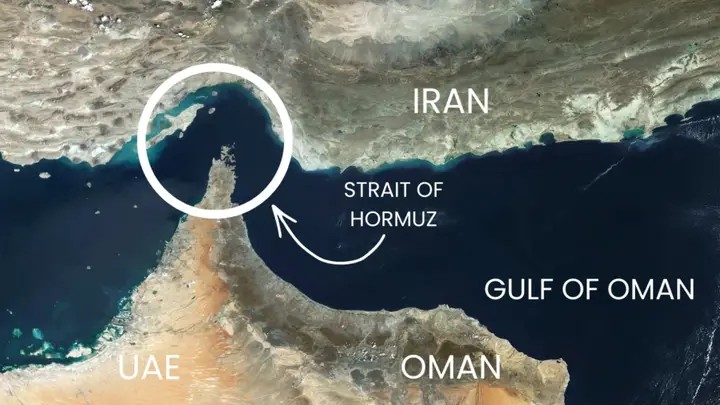
Iran has officially established the “Persian Gulf Strait Authority” to exert tighter control over maritime traffic in the strategic Strait of Hormuz.
Eko Hot Blog reports that under this new system, all vessels intending to pass through the waterway must now comply with a framework that requires them to receive guidance and obtain prior authorization from an official Iranian government email address.
EDITOR’S PICKS
- JAMB Delists 23 CBT Centres, Warns 89 After Mock UTME Review
- NASA Astronauts Return to Earth After First Human Trip to the Moon in 50 Years
- INEC Shifts Nationwide Voter Revalidation Until After 2027 General Election
This move is seen as an effort by Iran to assert its dominance over one of the world’s most critical oil shipping chokepoints during a period of heightened regional tension.
The maritime industry has reacted with extreme caution to these developments. While United States President Donald Trump announced that the US military would begin guiding commercial vessels through the strait under “Project Freedom,” shipping companies remain hesitant to resume full traffic due to persistent safety concerns.
The International Transport Workers’ Federation (ITF) has advised shipowners not to treat the US military presence as a “green light” until full guarantees of safety and assurances from Iran are secured.
The ITF emphasized that seafarers should not be put in harm’s way without clear protocols for safe evacuation.
The impact on global energy markets has been immediate. Oil prices surged past $114 per barrel recently, following reports of military escalations, including the US military’s destruction of six Iranian small boats and reports of drone and missile attacks on the United Arab Emirates.
Since the onset of the conflict in late February, Brent crude prices have risen by more than 50%.
With an estimated daily production shortfall of 14.5 million barrels, the United Nations has warned that the closure of the strait is severely impeding the delivery of essential commodities like oil, gas, and fertilizer.
The humanitarian situation in the waterway is also worsening. The IMO reports that roughly 20,000 seafarers are currently stranded on approximately 2,000 vessels within the strait.