- Iran’s Supreme National Security Council announced on Monday, May 18, 2026, the formation of the Persian Gulf Strait Authority (PGSA), a new administrative organ designed to institutionalize its control over the vital shipping corridor.
- The move follows months of severe disruptions since the outbreak of conflict involving the United States and Israel on February 28, with Tehran actively blocking conventional shipping and enforcing strict regulations on vessels trying to cross.
- Asserting that traffic through the strategic waterway will never return to pre-war norms, Iranian officials confirmed they have already begun collecting transit tolls, heavily shaking global energy markets and supply lines.
The Iranian government moves to formalize its blockade of one of the world’s most critical maritime chokepoints.
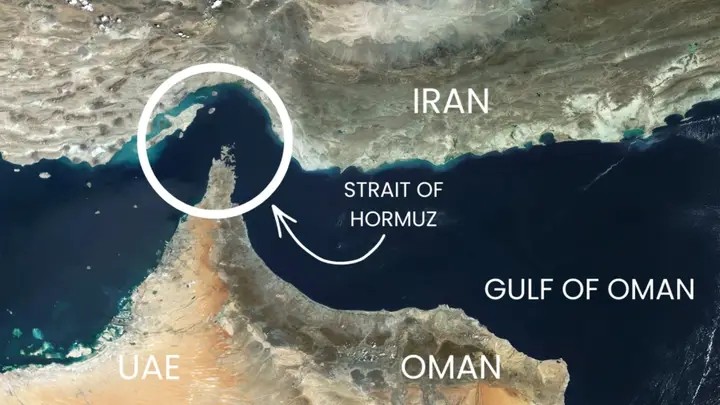
Eko Hot Blog reports that on Monday, Tehran’s top security apparatus unveiled the Persian Gulf Strait Authority (PGSA), an agency tasked with overseeing operations, monitoring ship movements, and enforcing state sovereignty over the Strait of Hormuz.
EDITOR’S PICK
- Fresh Details Emerge on Death of Odomola Monarch, Oba Adebowale Adeshina
- Sanwo-Olu Applauds LASU’s Academic Excellence After JAMB Ranking
- NRC Moves 176,820 Tonnes Of Cargo Through Lagos Ports In Q1
Backed by the naval wing of the Islamic Revolutionary Guard Corps (IRGC), the new maritime body has already begun issuing regulations directly to international commercial vessels navigating the corridor.
The establishment of the PGSA marks a structural shift in how Iran intends to leverage its geographic position following the outbreak of military hostilities earlier this year.
Although a fragile ceasefire has been maintained since April 8, Iranian state media reports that shipping through the corridor will face permanent changes.
Lawmakers in Tehran confirmed that a professional enforcement mechanism is now fully active, revealing that the state has successfully processed its first round of revenue derived from mandatory tolls imposed on passing cargo vessels and oil tankers.
The systemic closure and tolling of the Strait of Hormuz pose severe risks to the global economy.
In peacetime, the narrow channel handles approximately 20 percent of the world’s petroleum and liquefied natural gas (LNG) shipments, alongside massive bulk exports of agricultural fertilizers.
With the United States maintaining a defensive naval counter-blockade on Iranian ports, shipping executives are facing soaring insurance costs and complex routing re-adjustments, developments that continue to destabilize global commodity pricing and fuel energy inflation across international markets.