- The Islamic Revolutionary Guard Corps (IRGC) warned on Wednesday, May 20, 2026, that any fresh military offensive by the United States or Israel would trigger a devastating regional war expanding far beyond the Middle East borders.
- Despite an active ceasefire established on April 8, diplomatic backchannels mediated by Pakistan remain stalled over the reopening of the strategic Strait of Hormuz, a critical maritime corridor for a fifth of global oil supplies.
- The prolonged closure of the vital shipping waterway has depleted international oil stockpiles and driven fuel prices to record highs, sparking deadly economic riots and transport paralysis in import-dependent nations like Kenya.
The Islamic Revolutionary Guard Corps has issued a stern warning to Washington, declaring that the current geopolitical conflict will spread globally if diplomatic efforts collapse.
Eko Hot Blog reports that in an official statement published on their Sepah News website, the elite military force asserted that despite facing the combined capabilities of the world’s two most expensive armies, Tehran has withheld the full deployment of its strategic power.
EDITOR’S PICK
- Fresh Details Emerge on Death of Odomola Monarch, Oba Adebowale Adeshina
- Sanwo-Olu Applauds LASU’s Academic Excellence After JAMB Ranking
- NRC Moves 176,820 Tonnes Of Cargo Through Lagos Ports In Q1
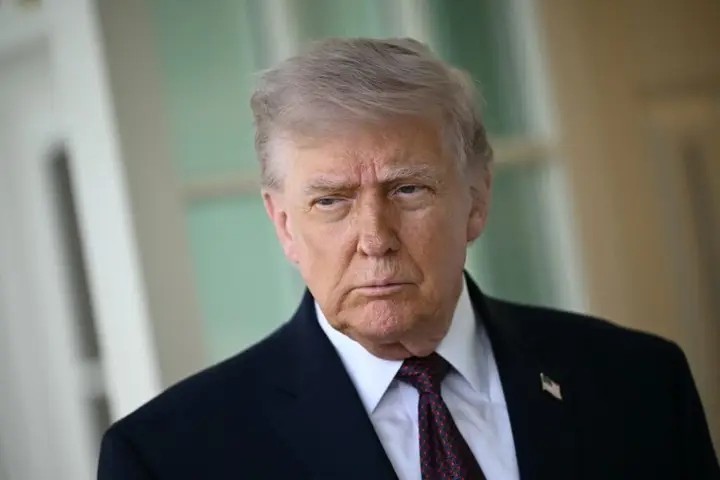
The aggressive rhetoric comes as a direct counter-response to continuous warnings from United States President Donald Trump, who recently insisted that the Pentagon is prepared to launch another massive military strike unless a definitive peace treaty is finalized.
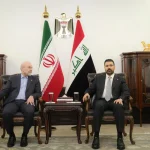
The standoff persists despite round-the-clock mediation efforts managed by Pakistan, whose Interior Minister arrived in Tehran on Wednesday for his second emergency high-level visit within a single week.
U.S. Vice President JD Vance confirmed that while backchannel negotiators are making noticeable progress toward a formal resolution, American forces remain locked and loaded.
President Trump has publicly dismissed Iran’s defensive posture, claiming that the economic pressures applied by Washington have left Tehran desperate to secure a deal, though international observers note that a conclusive agreement remains elusive.
The ongoing diplomatic deadlock is exerting a severe bottleneck on the global energy sector, as the crucial Strait of Hormuz remains entirely blocked to commercial transit.
The closure of the waterway has choked off the primary supply routes for international liquefied natural gas and crude oil, triggering inflation shocks and acute fuel shortages far beyond the immediate combat zone.
In East Africa, the compounding energy crisis has fueled severe civil unrest, with Kenyan Interior Minister Kipchumba Murkomen confirming that at least four citizens were killed and over 30 injured during violent protests against rising transport costs in Nairobi.
As pre-war emergency petroleum reserves continue to rapidly deplete worldwide, the pressure on both Washington and Tehran to secure a permanent maritime breakthrough is intensifying.
While Western financial markets face deep structural anxieties over sustained energy inflation, the Iranian leadership remains highly sensitive to potential domestic disruptions from a renewed American bombing campaign.
With both global superpowers maintaining maximum military readiness along the Persian Gulf borders, international stakeholders warn that a single tactical miscalculation could dismantle the fragile April ceasefire and pull multiple continents into a broader energy war.