- the state’s long-term objective was to provide uninterrupted electricity rather than maintain supply categories
- Ogunleye had earlier stated that Lagos would not sustain electricity subsidies
- He added that the government had expanded investments in power infrastructure
Lagos State Government has announced plans to move away from the electricity customer band system introduced by the Nigerian Electricity Regulatory Commission (NERC), as part of efforts to achieve more stable power supply across the state.
Eko Hot Blog gathered that Under the framework introduced by Nigerian Electricity Regulatory Commission in 2024, electricity users were grouped into Bands A to E based on hours of supply. Customers in Band A pay cost-reflective tariffs and are expected to receive at least 20 hours of electricity daily, while lower bands receive subsidised power with fewer supply hours.
EDITOR’S PICK
- Fani-Kayode, Omokri Oppose Return Of Power To North Before 2031, Endorse Tinubu For 2027
- Putin defends Ukraine war amid NATO aggression claims
- Epe Stakeholders Unite in Massive Endorsement for Wale Raji, Tobun, Tinubu, Others
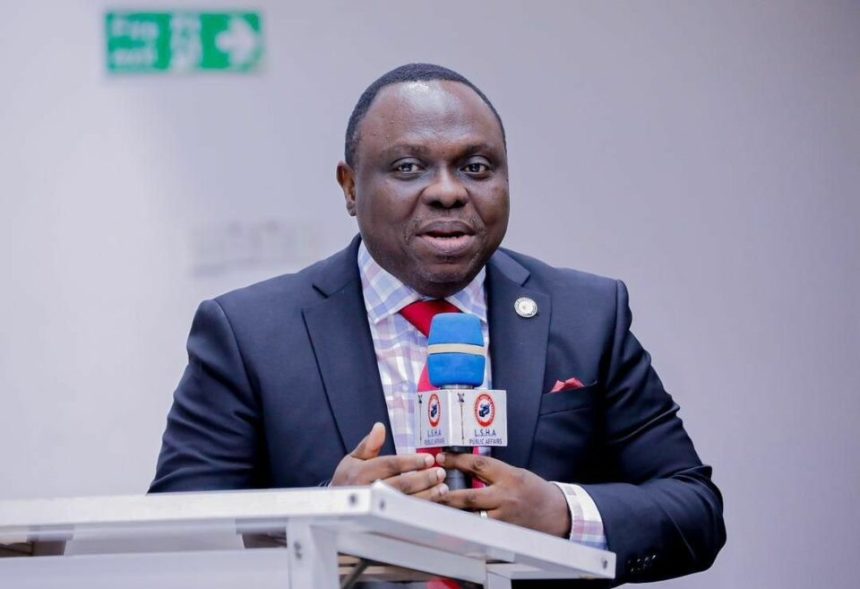
Speaking during a ministerial briefing in Alausa, Ikeja, the Commissioner for Energy and Mineral Resources, Biodun Ogunleye, said the state’s long-term objective was to provide uninterrupted electricity rather than maintain supply categories.
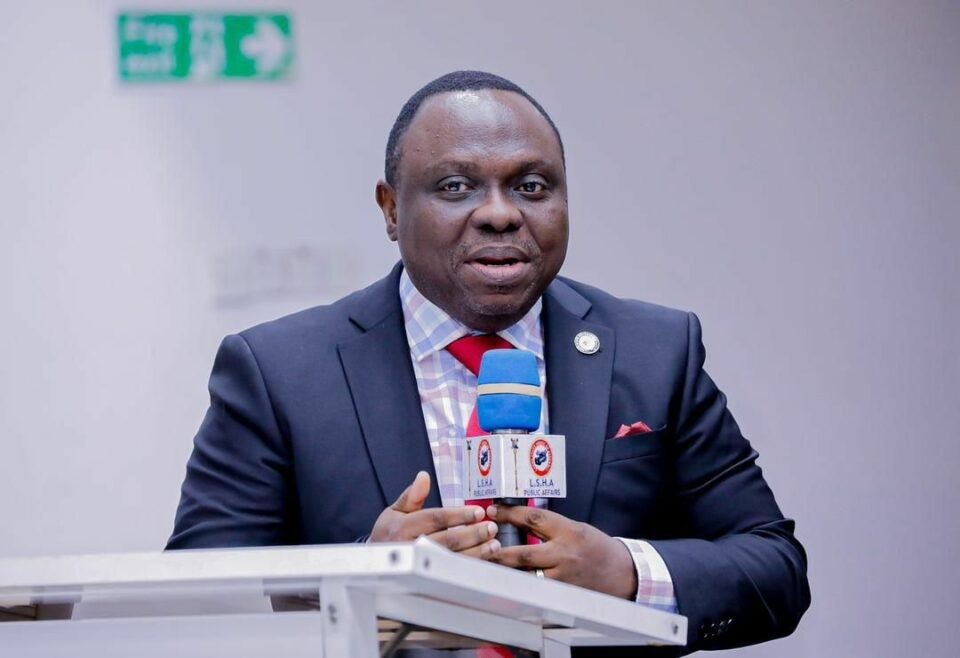
He said the administration of Governor Babajide Sanwo-Olu was focused on creating conditions that could support round-the-clock power supply for residents.
According to him, the government believes stable electricity across all areas is achievable and intends to prioritise reliable power over the existing band classification model.
Ogunleye had earlier stated that Lagos would not sustain electricity subsidies, noting that consumers would eventually pay cost-reflective tariffs in line with the state’s energy plans.
He added that the government had expanded investments in power infrastructure, renewable energy projects and solar installations to support its vision of a 24-hour economy.
The commissioner said implementation of the Lagos State Electricity Law 2024 had also been intensified to encourage private sector participation and build a more competitive electricity market.
He disclosed that the state had updated its Integrated Resource Plan and completed a Strategic Implementation Plan aimed at promoting bilateral energy trading and moving away from the single-buyer electricity system.
According to him, the Lagos State Electricity Regulatory Commission has strengthened licensing and regulatory activities, while the Lagos Independent System Operator is being positioned to enhance grid performance and market stability.
On renewable energy initiatives, Ogunleye said the state had converted 22,000 traditional streetlights to smart solar-powered systems across major roads including Gbagada-Oshodi Expressway, Lekki-Epe Expressway, Ikorodu Road and Funsho Williams Avenue.
He added that another 20,000 solar streetlights had been installed, bringing the total number of operational smart solar units in Lagos to about 42,000.
The commissioner also highlighted improvements in public infrastructure, stating that power interventions had increased electricity supply at Gbagada General Hospital to between 21 and 22 hours daily following transformer upgrades.
He further disclosed that lithium-ion battery systems had been deployed in 11 primary healthcare centres and 52 secondary schools, while Lagos State Television had been equipped with a solar-powered energy system.
FURTHER READING