- Lagos Seeks Investor Partnerships on Waste-to-Energy, Climate Adaptation Projects
- Wahab said the Sanwo-Olu administration has developed both a climate adaptation plan
- Lagos’ original landmass of 3,577 square kilometres has expanded to 4,050 sq. km due to large-scale reclamation of wetlands and lagoon water bodies
The Lagos State Government has announced its readiness to collaborate with investors on projects in municipal solid waste-to-energy, waste-to-wealth, and liquid waste management.
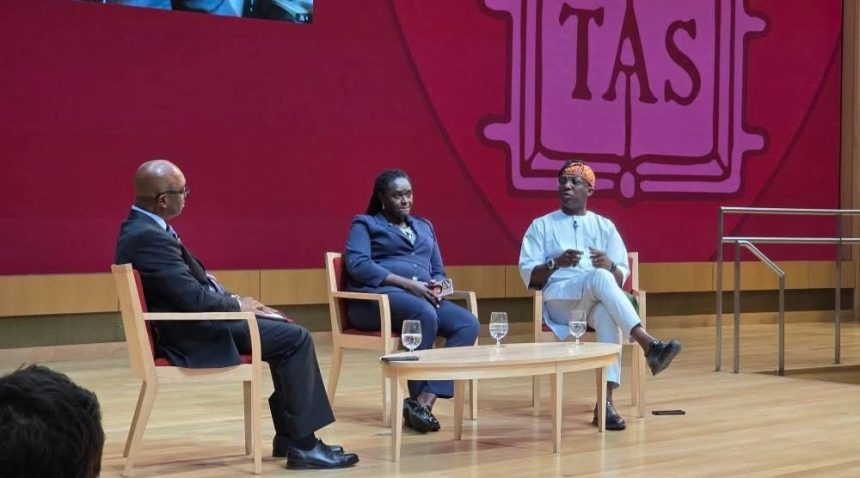
Eko Hot Blog reports that the state’s Commissioner for the Environment and Water Resources, Tokunbo Wahab, made this known while speaking as a panelist during the Harvard University Climate Action Week themed “Rising Seas, Resilient Communities, Climate Adaptation Strategies in West Africa.”
EDITOR’S PICK
- Details Of Fubara’s Meeting With Tinubu In Aso Villa Emerge
- Tambuwal Politically Retired, Has No Future Plans – APC
- Dembele Wins 2025 Ballon d’Or After Historic Season With PSG
Wahab said the Sanwo-Olu administration has developed both a climate adaptation plan and a climate resilience plan to guide its environmental vision.
He noted that Lagos has already conducted two pre-feasibility studies on waste-to-energy and wastewater projects, underscoring its commitment to sustainable solutions.
With a population exceeding 20 million and daily waste generation of 13,000 metric tonnes, Wahab stressed that Lagos is adopting a climate-friendly approach that treats waste as a resource.
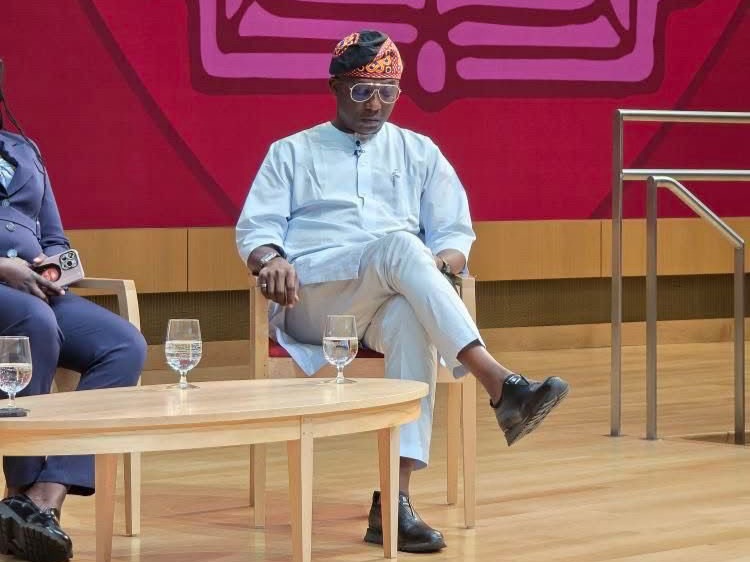
He added that as a coastal city, Lagos remains vulnerable to sea level rise, heavy rainfall, extreme heat, and flash floods caused by tidal lock.
To mitigate these challenges, he said the government has invested in resilient drainage infrastructure and continues to clamp down on illegal construction along floodplains and drainage setbacks.
“We prosecute those who wilfully destroy the ecosystem. We also tell citizens to desist from dumping municipal waste in the drainage. It is a recipe for flooding,” Wahab said.
The Commissioner further noted that Lagos’ original landmass of 3,577 square kilometres has expanded to 4,050 sq. km due to large-scale reclamation of wetlands and lagoon water bodies for real estate development.
He stressed that the government is enforcing legal safeguards by requiring Environmental Impact Assessment (EIA) approval and a drainage master plan from anyone undertaking reclamation projects.
FURTHER READING
- INEC Releases Final List of Candidates for 2026 FCT Area Council Elections
- Rivers NASS Caucus Commends Tinubu Over Emergency Rule
- Odo-Egiri Youths Champion Literacy with Book and Cash Donations
Click here to watch video of the week