- Military Tracks Fleeing Terrorists After US Airstrikes in Nigeria
- Community leaders in Tangaza, Gudu and parts of Illela in Sokoto State reported noticeable dislocation among armed groups
- Major General Dayo Olukoju (retd.) cautioned against hasty decisions
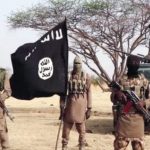
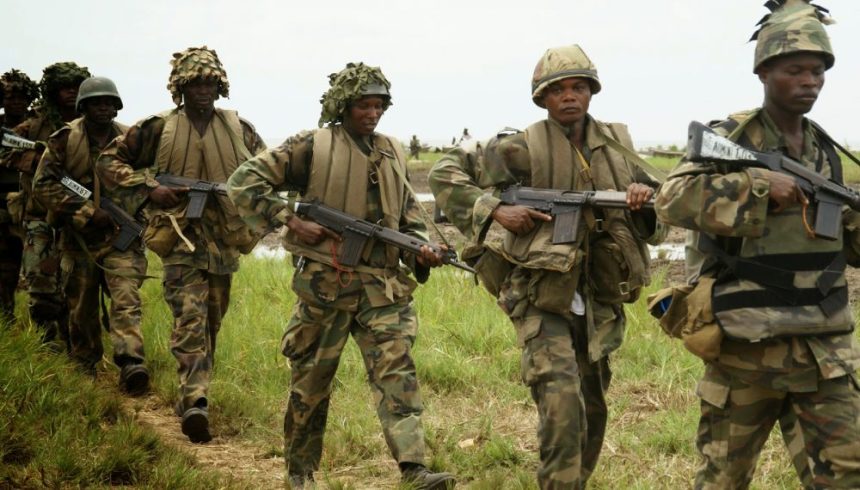
The Nigerian military has intensified intelligence and surveillance operations to track Boko Haram and Islamic State for West Africa Province fighters fleeing their hideouts after recent United States airstrikes.
Eko Hot Blog reports that the US President Donald Trump announced on Christmas Day that American forces carried out lethal strikes against Islamic State targets in north-western Nigeria.
EDITOR’S PICK
- Childhood Friend Allegedly Kills Europe-based Returnee in Edo Community
- NJC Screens Out 34 Judge Nominees Over Integrity Issues
- FG Says Sokoto Security Operation Strengthens Economy
The Federal Government later confirmed the operation, describing it as part of ongoing counterterrorism cooperation between Nigeria and the United States.
Following the strikes, reports emerged of unusual movements by armed groups across several states. The Chairman of the Traditional Council in Gwer West Local Government Area of Benue State, Daniel Abomtse, raised concerns over what he described as an influx of armed herders into local communities after the attacks.
Similarly, community leaders in Tangaza, Gudu and parts of Illela in Sokoto State reported noticeable dislocation among armed groups. Some residents, who spoke anonymously, said suspected terrorists were seen moving in smaller units towards remote forest routes, while others appeared to be heading for border communities.
However, senior military officials said the situation was under close watch. One officer said that the armed forces were fully aware of the movements and were actively tracking them.
“We know they are fleeing. We have information on that and we are working on it. Their movements are being monitored,” the official said.
Another source confirmed that intelligence, surveillance and reconnaissance operations were ongoing, adding that the military had anticipated the dislocation following the strikes.
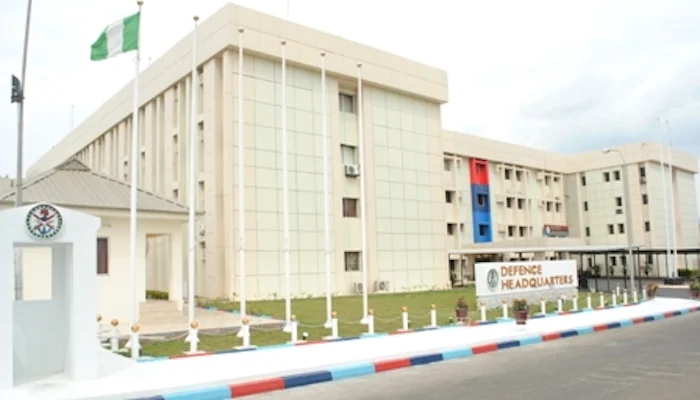
Meanwhile, retired senior military officers have expressed divergent views on the possibility of deploying US troops to Nigeria. The Minister of Foreign Affairs, Yusuf Tuggar, had earlier said the Ministry of Defence would advise the Federal Government on next steps when asked on CNN whether Nigeria might allow American soldiers into the country.
A former senior officer, Brigadier-General Peter Aro (retd.), strongly opposed the idea, warning that deploying foreign troops on Nigerian soil could have serious legal, diplomatic and social consequences. According to him, such a move could further strain Nigeria’s fragile national cohesion and fuel insurgent propaganda.
Aro argued that Nigeria already has sufficient ground forces, including the armed forces, police mobile units and civil defence personnel, adding that the real gaps lie in air power, surveillance and precision strike capabilities, where foreign assistance could be more useful without foreign boots on the ground.
In contrast, another retired officer, Brigadier-General Bashir Adewinbi (retd.), supported closer military collaboration with the US, describing international cooperation as a normal and effective approach to tackling insecurity.
He linked the Christmas Day strikes to ongoing Nigeria–US security cooperation and said any troop deployment, if required, should follow due diplomatic processes with clearly defined terms.
Also weighing in, Major General Dayo Olukoju (retd.) cautioned against hasty decisions, stressing that strategic errors must be avoided at such a critical time.
Former Nigerian Air Force spokesman, Group Captain Sadique Shehu (retd.), criticised suggestions of deploying US soldiers to Nigeria, describing the idea as worrying. While acknowledging the need for foreign technology and intelligence support, he insisted Nigeria should not rely on foreign troops to fight its battles.
He also questioned the communication surrounding the strikes, noting that Nigerians first heard about the operation from President Trump rather than their own government.
According to him, Nigerians should be properly briefed by their authorities on the scope and rules guiding any foreign assistance.
Meanwhile, a United States congressman, Riley Moore, defended President Trump’s decision, stating that the airstrikes were aimed at restoring peace and security, not instigating war. In a post on X, Moore said the strikes were intended to protect Christians facing severe violence and had offered renewed hope to affected communities.
FURTHER READING
- Orijeru of Igbooye Confers Jagunoba, Yeye Jagunoba, Gbobaniyi Titles at Coronation Anniversary
- NELFUND Reduces Tertiary School Dropout — Board Member
- Insecurity Worsening Impact on Women, Children — Funmi Falana
Click here to watch video of the week