- Misinformation Biggest Threat To 2027 Polls – INEC Chairman
- Amupitan urged media fairness, professionalism and compliance with electoral laws.
- Opposition protested, accused INEC of bias, claims chairman denied strongly.
The Chairman of the Independent National Electoral Commission, Joash Amupitan, has warned that misinformation and disinformation pose the greatest threat to the credibility of Nigeria’s 2027 general elections.
Amupitan raised the concern on Wednesday while speaking at the 81st General Assembly of the Broadcasting Organisations of Nigeria in Abuja, where he emphasised the critical role of the media in sustaining democracy.
EDITOR’S PICKS
- Teenagers Attempt Bomb Attack At Maiduguri Teaching Hospital
- APC Elects New National Executives, Full List Emerges
- Why I Resigned As Kano Deputy Governor – Gwarzo
EKO HOT BLOG reports that he said electoral threats have evolved from physical disruptions to digital manipulation, with social media now playing a dominant role in shaping public opinion.
“In the 2027 General Election, the most dangerous weapon will not be a ballot-snatcher’s gun, but a smartphone-user’s lies amplified by an uncritical broadcast station,” he said.
The INEC chairman warned that unchecked misinformation, when amplified by traditional media, could undermine public trust and distort electoral outcomes.
He pointed to provisions in the Electoral Act 2026 designed to regulate political broadcasting, noting that the law mandates fairness and equal airtime for all political parties.
“The Act mandates fairness and balance. You must provide a level playing field,” he said.
Amupitan added that violations attract stiff penalties, including fines of up to N5 million for organisations, while responsible officials may face imprisonment.
He also highlighted key regulations such as the mandatory 24-hour media blackout before election day, aimed at preventing last-minute voter manipulation, and the criminalisation of hate speech and inflammatory content capable of inciting divisions.
Despite these provisions, he acknowledged challenges including weak enforcement, commercialisation of airtime and the dominance of wealthy political actors in the media space.
“Political actors with greater financial resources dominate broadcast space,” he noted.
Calls For Collaboration And Professionalism
To address the challenges, Amupitan called for stronger collaboration between INEC, BON, security agencies and the judiciary, while urging media organisations to prioritise professionalism and accuracy.
“Fact-check in real-time, mobilise voters’ turnout and choose professionalism over profit,” he said.
He stressed that modern elections are increasingly fought within the information space, where public perception is shaped long before voting begins.
Opposition Protests At INEC Headquarters
Amupitan’s remarks came hours after opposition leaders staged a protest at INEC headquarters in Abuja.
The protest was led by former Vice-President Atiku Abubakar, Senator Rabiu Kwankwaso and the Labour Party’s 2023 presidential candidate, Peter Obi.
They were joined by leaders of the African Democratic Congress, who accused the INEC chairman of working with the ruling party to undermine opposition chances ahead of the 2027 elections.
Responding to the allegations in a recent interview, Amupitan denied any bias or involvement in partisan politics.
“Let me state very clearly that I’m not a part of anyone’s plan to turn Nigeria into a one-party state,” he said.
On claims regarding the ADC leadership dispute, he maintained that the commission acted strictly in line with court directives.
“If this judgment didn’t come, would I decide on my own? Even on social media, if you look at people who talk, they speak from their own interests,” he stated.
“The question is whether they lack confidence in what INEC has done. INEC didn’t make the decision that is causing these grievances.”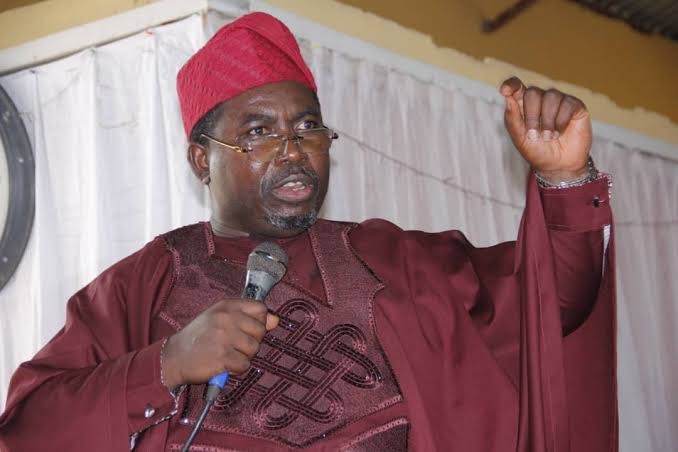
He concluded by reiterating that the battle for credible elections in 2027 will largely be determined within the information space, warning that failure to tackle misinformation could erode public trust and compromise the electoral process.