- Naira to Dollar Rate Today, 25 September 2025
-
Official exchange rate stands at ₦1,488.56, widening market disparity.
-
Forex scarcity and high demand continue to pressure Nigeria’s currency.
The Naira remains under pressure as dollar demand stays high in both official and parallel markets.
EDITOR’S PICKS
- Details Of Atiku’s Meeting With El-Rufai Emerge
- Tinubu’s Administration Prioritising Northern Development – Housing Minister
- JUST IN: Badagry West Vice Chairman Dies, Joins List of Female Council Leaders Dead in Two Months
EKO HOT BLOG reports that market observers say the gap between the official rate and black market remains wide, reflecting persistent forex scarcity and speculative behavior.
In the black market (Aboki/Bureau de Change rates), the dollar is being bought and sold at strong premiums over the official rate. According to several local sources, the prevailing rates are:
| Market Type | Buy Rate (USD → NGN) | Sell Rate (USD → NGN) |
|---|---|---|
| Black Market / BDC (Aboki FX) | ₦1,500 | ₦1,515 |
| Official (CBN / NFEM) | ₦1,488.56 | ₦1,488.56 |
What These Numbers Mean
-
On the black market, dealers are buying dollars around ₦1,500 and selling them at ₦1,515.
-
The official rate, derived from the Nigerian Foreign Exchange Market (NFEM), stands at ₦1,488.56 per USD.
-
The difference between these rates underscores the premium traders are willing to pay to access dollars outside official channels—a reflection of tight supply.
For many Nigerians—importers, students abroad, and those sending or receiving foreign payments—the black market rate is more relevant, albeit riskier. The disparity means actual costs are often much higher than what is quoted officially.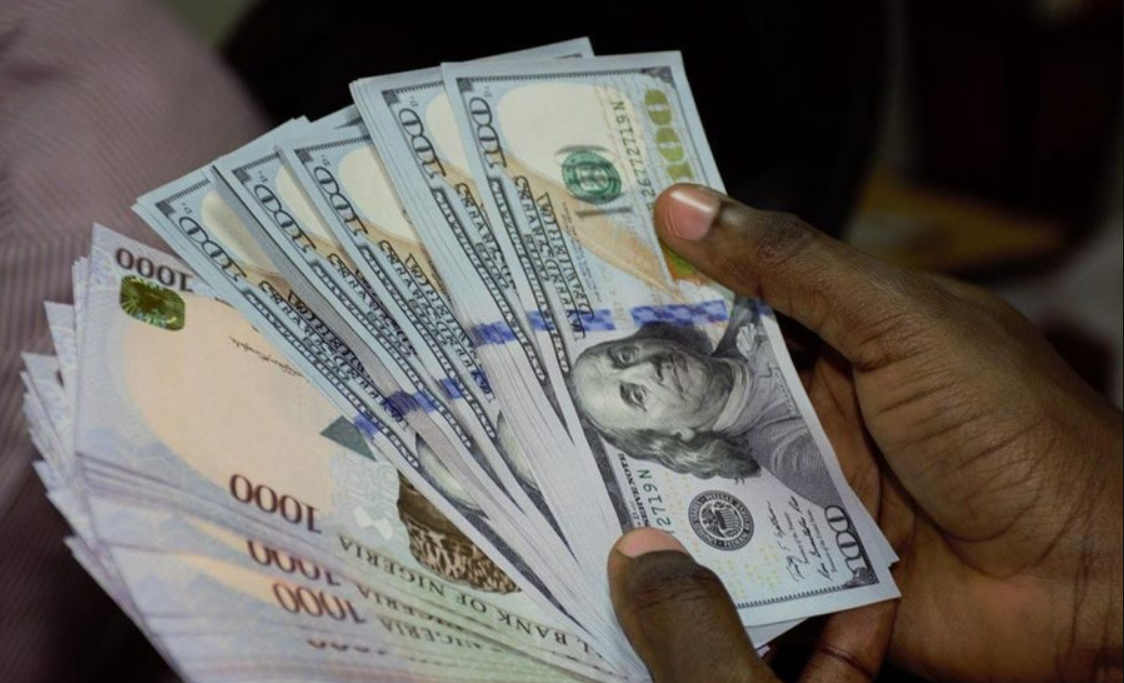
Unless the Central Bank boosts forex liquidity, eases regulatory bottlenecks, or intervenes more aggressively, the gap is unlikely to close soon. The outlook will depend on foreign inflows, remittance levels, oil export revenues, and monetary policy moves.
FURTHER READING
- Ebola? What To Know About Suspected Viral Haemorrhagic Fever Cases in Abuja
- Why Africa Must Cut Investment Risks to Attract Capital – EFCC
- Trump Places Harvard on Strict Financial Monitoring