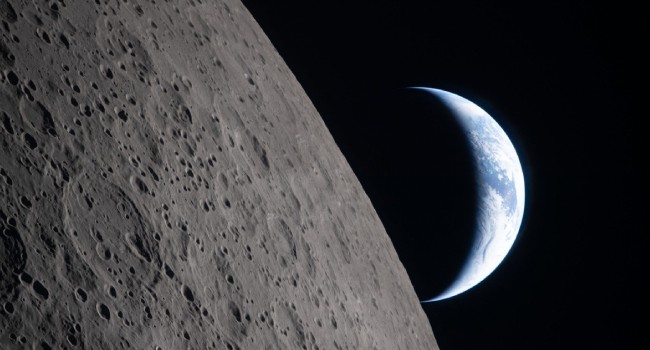
- NASA officials say this modern approach supports longer and more complex missions
- NASA plans to rely on privately developed lunar landers from Elon Musk’s SpaceX and Jeff Bezos’s Blue Origin
- The agency plans to conduct uncrewed lander tests and orbital docking demonstrations
Following the successful completion of the Artemis II mission on Friday, NASA is turning its attention to private space companies led by billionaire entrepreneurs Jeff Bezos and Elon Musk as it prepares for the next phase of returning humans to the Moon.
The Apollo missions, which landed astronauts on the lunar surface between 1969 and 1972, were limited in scope, carrying only two astronauts for short stays of a few days, Eko Hot Blog gathered.
EDITOR’S PICK
- Interior Ministry Orders Immediate Deactivation of Passports for Former Citizens
- Iran Sets Conditions as US Warns Ahead of Talks
- 7 Things People Over 50 Should Do Every Morning for Better Health
More than five decades later, NASA now aims for longer missions involving four astronauts who could remain on the Moon for weeks, with long term plans to establish a permanent lunar base.
For the upcoming stage of the Artemis program, NASA plans to rely on privately developed lunar landers from Elon Musk’s SpaceX and Jeff Bezos’s Blue Origin to transport astronauts from lunar orbit to the Moon’s surface.
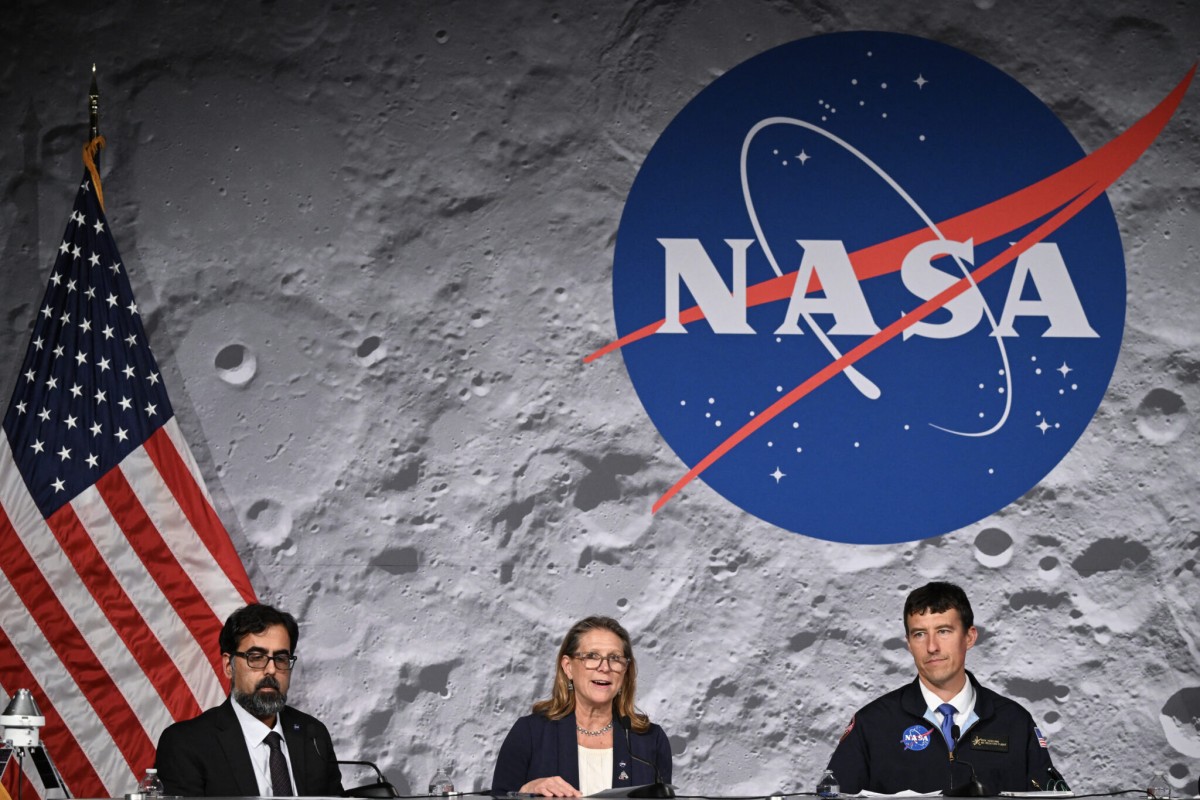
After Artemis II safely splashed down in the Pacific Ocean following its record breaking journey, NASA officials stressed the need for close collaboration with the private sector to meet a targeted crewed landing around 2028.
Acting NASA associate administrator Lori Glaze said the success of the program depends on strong industry participation, noting that companies must scale up production systems required for sustained lunar exploration.
Unlike the Apollo era, which used a single heavy rocket system, the Artemis program is designed around multiple components, including the Orion spacecraft to carry astronauts from Earth and separate privately built landers to complete the Moon landing.
NASA officials say this modern approach supports longer and more complex missions but also introduces greater technical challenges, including the need for in orbit refueling, a capability that has yet to be fully demonstrated.
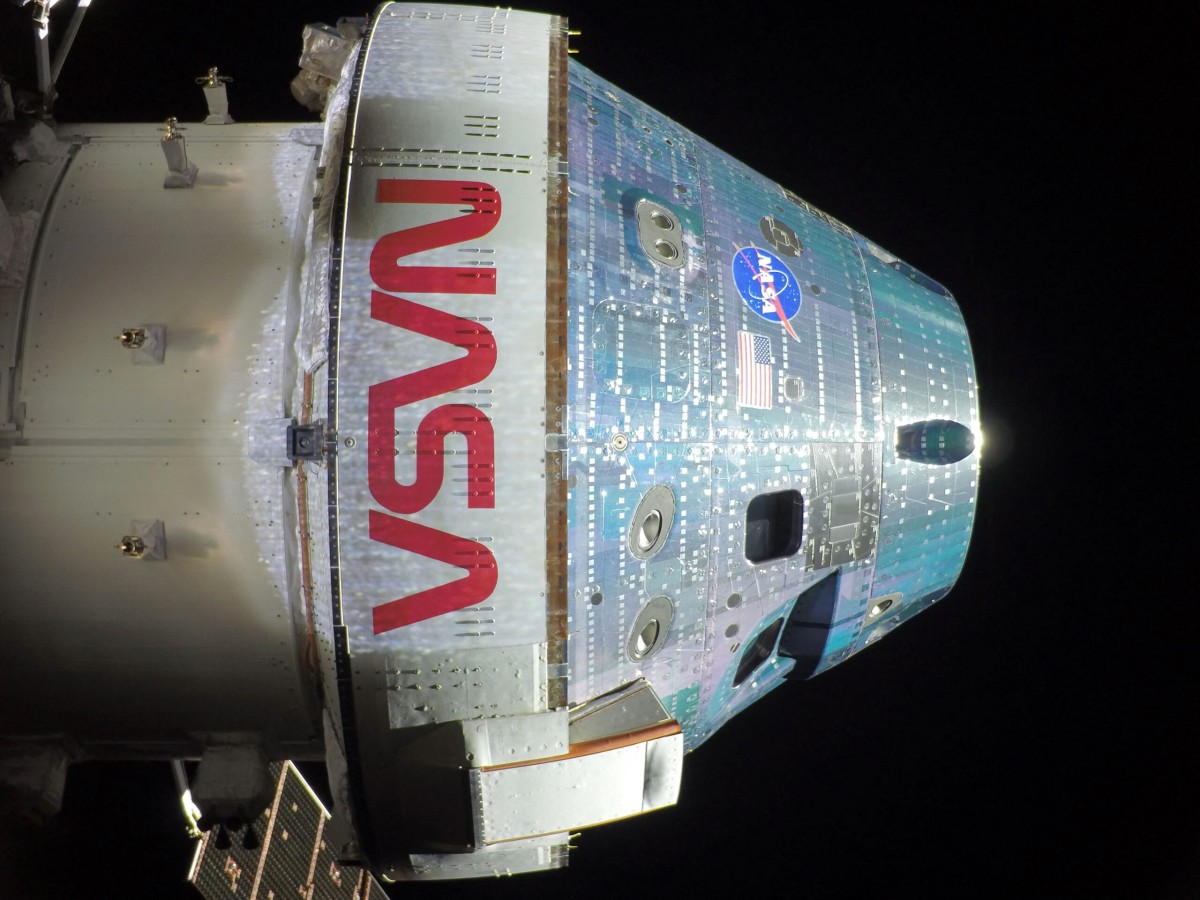
Experts involved in the program noted that the new landers are significantly larger and more advanced than those used during Apollo, enabling expanded exploration but requiring far more complex logistics and coordination.
The agency is also working with international and commercial partners to provide additional spacecraft systems and support modules for the mission.
However, the increased complexity has raised concerns about timelines and feasibility, especially given delays in the development of key systems.
Some analysts have warned that tight schedules and technical risks could threaten progress, particularly as China continues to advance its own plans for a crewed lunar landing later this decade.
In response, NASA has indicated it is considering backup options and alternative contracting approaches to ensure mission goals remain on track.
The agency plans to conduct uncrewed lander tests and orbital docking demonstrations before attempting a crewed Moon landing, with all major milestones expected to occur within the next few years as part of its accelerated Artemis roadmap,
FURTHER READING