- they accused Trump of trying to govern like an authoritarian figure, insisting that political power in the U.S. belongs to its citizens
- The White House dismissed the protests, with a spokesperson mocking them as “Trump Derangement Therapy Sessions
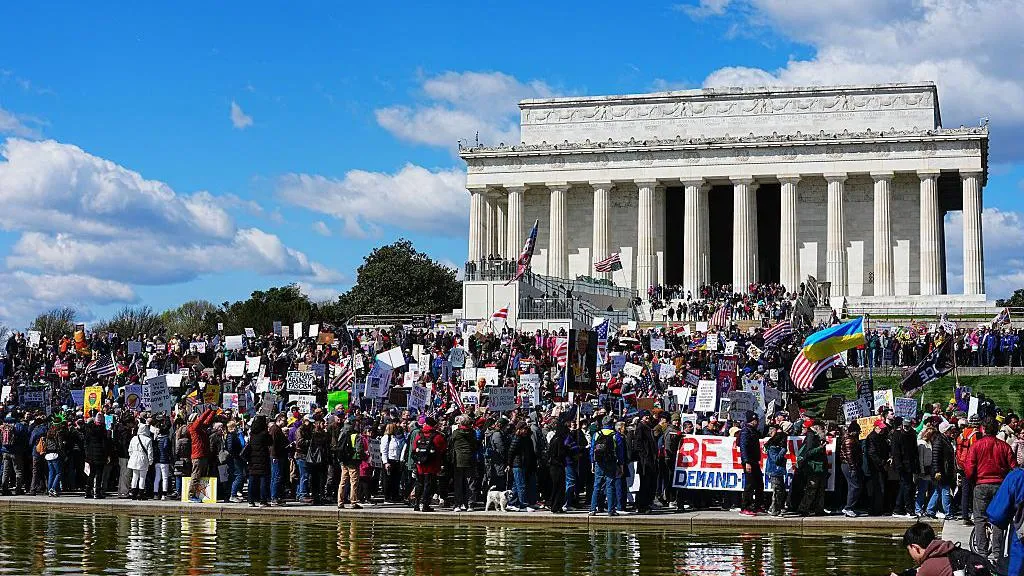
- large crowds marched through the city center, gathering around the Lincoln Memorial and filling the National Mall
Widespread demonstrations against the administration of Donald Trump took place across major cities in the United States on Saturday, marking the third round of the “No Kings” protests, events that have previously drawn millions nationwide.
Eko Hot Blog gathered that organisers say the rallies are aimed at opposing several government policies, including military involvement in Iran, strict federal immigration enforcement, and the increasing cost of living.
EDITOR’S PICK
- G7 Meets in France Amid Middle East Tensions
- Epe in Focus: Tinubu to Announce Lagos APC Consensus Governorship Candidate Monday
- Bisola Badmus Rallies Support for Biola Bayo Following Heated Baba Ijesha Interview Backlash
In a statement, they accused Trump of trying to govern like an authoritarian figure, insisting that political power in the U.S. belongs to its citizens, not to wealthy elites or strongman leadership.
The White House dismissed the protests, with a spokesperson mocking them as “Trump Derangement Therapy Sessions” and suggesting they were only of interest to the media.
Demonstrations unfolded in nearly every major city, including New York City, Washington, D.C., Los Angeles, Boston, Nashville, and Houston, as well as in smaller towns across the country.
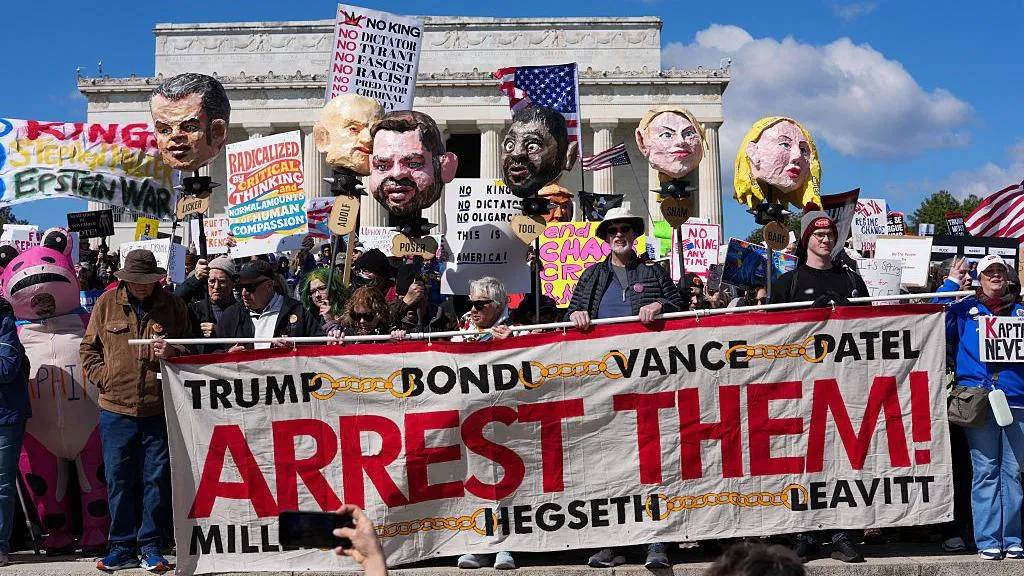
In the capital, large crowds marched through the city center, gathering around the Lincoln Memorial and filling the National Mall.
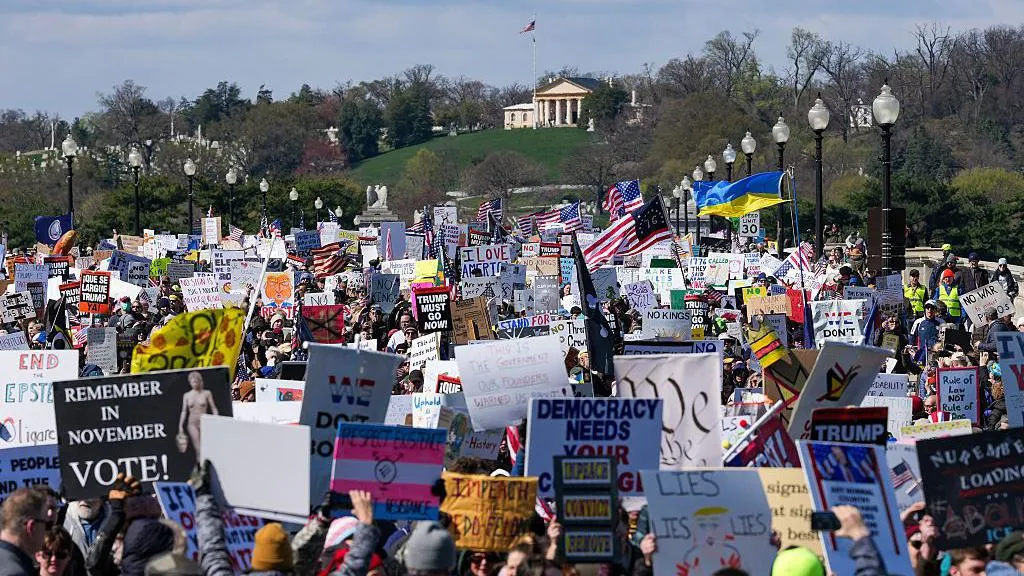
Protesters carried signs and displayed effigies of Trump, Vice President JD Vance, and other officials, demanding accountability and removal from office.
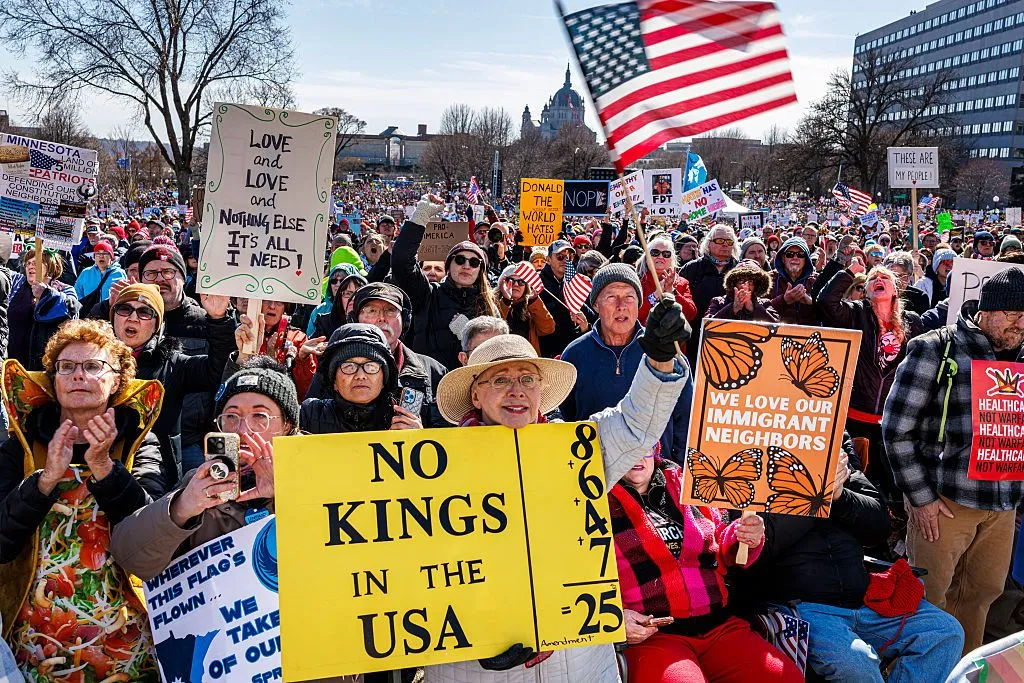
One of the most prominent rallies occurred in Minnesota, where outrage remains high following the January deaths of two citizens during an immigration enforcement operation.
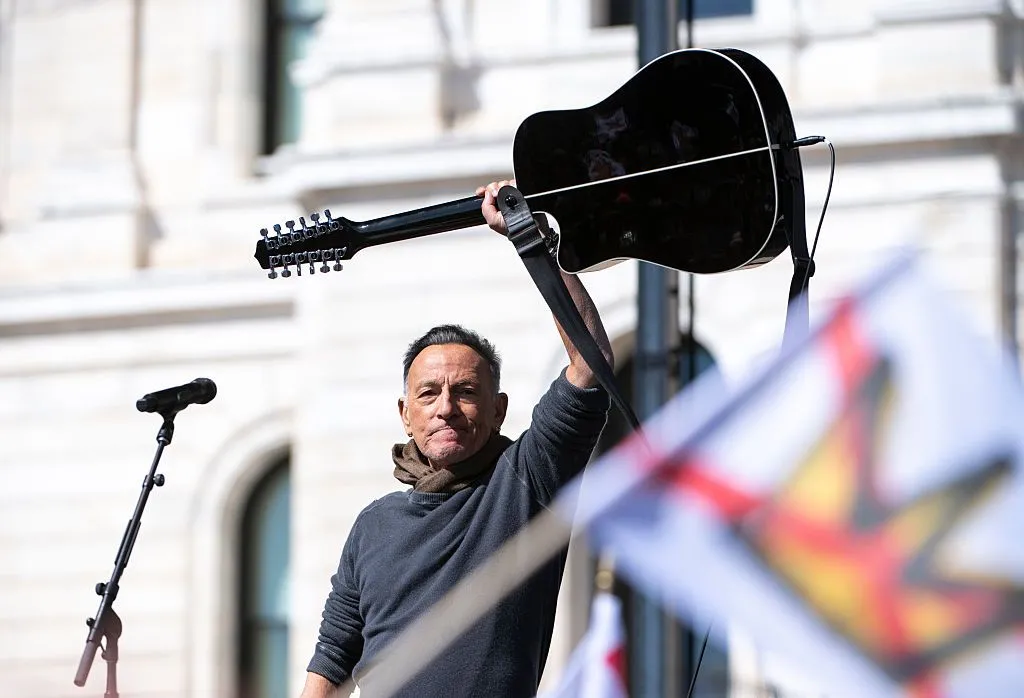
Thousands gathered outside the state capitol in St. Paul, joined by Democratic figures and musician Bruce Springsteen, who performed a protest song during the event.
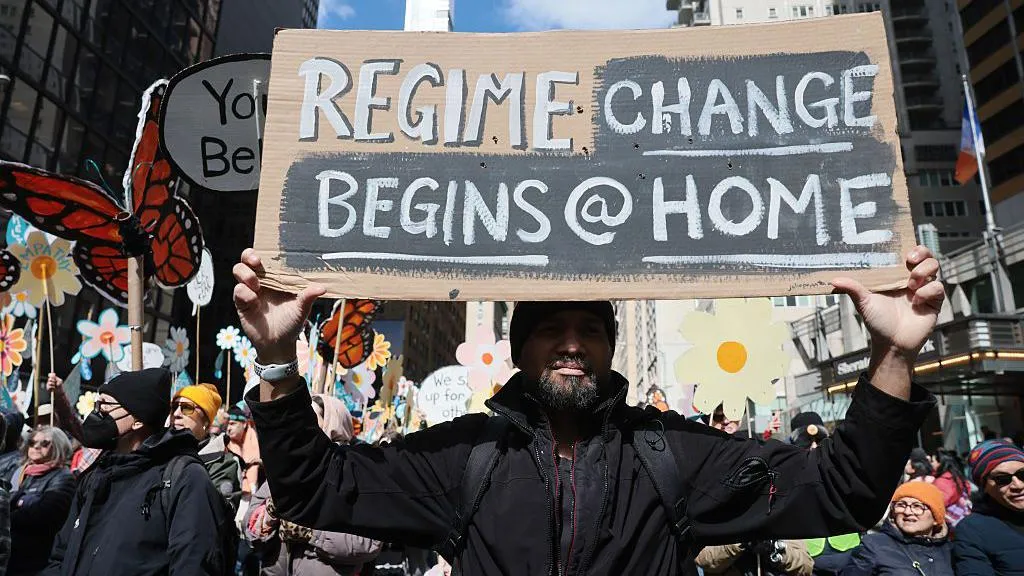
In New York City, crowds packed Times Square, forcing authorities to close busy streets as demonstrators marched through Manhattan.
While most protests were peaceful, some incidents were reported. In Los Angeles, authorities said two individuals were arrested after allegedly attacking federal officers.
The Department of Homeland Security reported that officers were injured when objects were thrown at them near a federal building. Additional arrests were made after some demonstrators ignored police orders to disperse.
Minor clashes were also reported in Dallas, where counter-protesters disrupted marches, leading to brief confrontations.
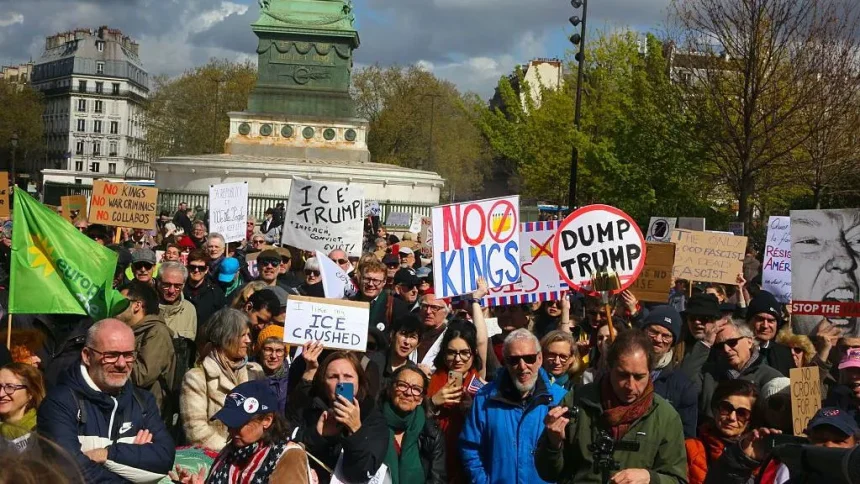
The movement extended beyond U.S. borders, with American expatriates staging solidarity protests in cities such as Paris, London, and Lisbon.
The previous “No Kings” protest in October reportedly drew nearly seven million participants nationwide.
Although some states deployed National Guard troops as a precaution, organisers have continued to emphasise the largely peaceful nature of the demonstrations.
Since returning to office in 2025, Trump has expanded presidential powers through executive actions, including restructuring parts of the federal government and deploying troops domestically despite opposition from some state leaders.
He has also pushed for legal action against political opponents.
Trump has defended his approach as necessary to restore stability, rejecting claims of authoritarianism.
Critics, however, argue that his actions could undermine democratic institutions and violate constitutional norms.
FURTHER READING