- He concluded that the movement, though wounded, is not beyond repair and can regain its core principles
- He argued that Monye’s departure underscores structural weaknesses
- He highlighted that Peter Obi did not contribute financially to these initiatives
The Labour Party’s Directorate of Mobilization and Integration (DMI) Director General, Marcel Ngogbehei, has called on former presidential candidate Peter Obi to rethink his approach to the Obidient Movement, emphasizing that any political movement survives and thrives only when nurtured by those who sustain it.
Eko Hot Blog reports that Ngogbehei, a founding member of the Coalition for Peter Obi (CPO) and early architect of the Obidient Movement, stressed that the grassroots support and volunteer-driven efforts that brought the movement to national prominence predated Obi’s formal involvement with the Labour Party.
EDITOR’S PICK
- Rivers PDP Distances Itself From Ibadan Convention
- Retired Officers Demand Wike’s Removal Over Clash With Naval Officer
- Double Strike, Double Pain: What JOHESU–NARD Shutdown Means for Nigerians
In a statement on Saturday, Ngogbehei recalled the massive mobilisation campaigns, nationwide rallies, and leadership summits coordinated and funded entirely by independent volunteers who believed in offering Nigerians a credible alternative platform.
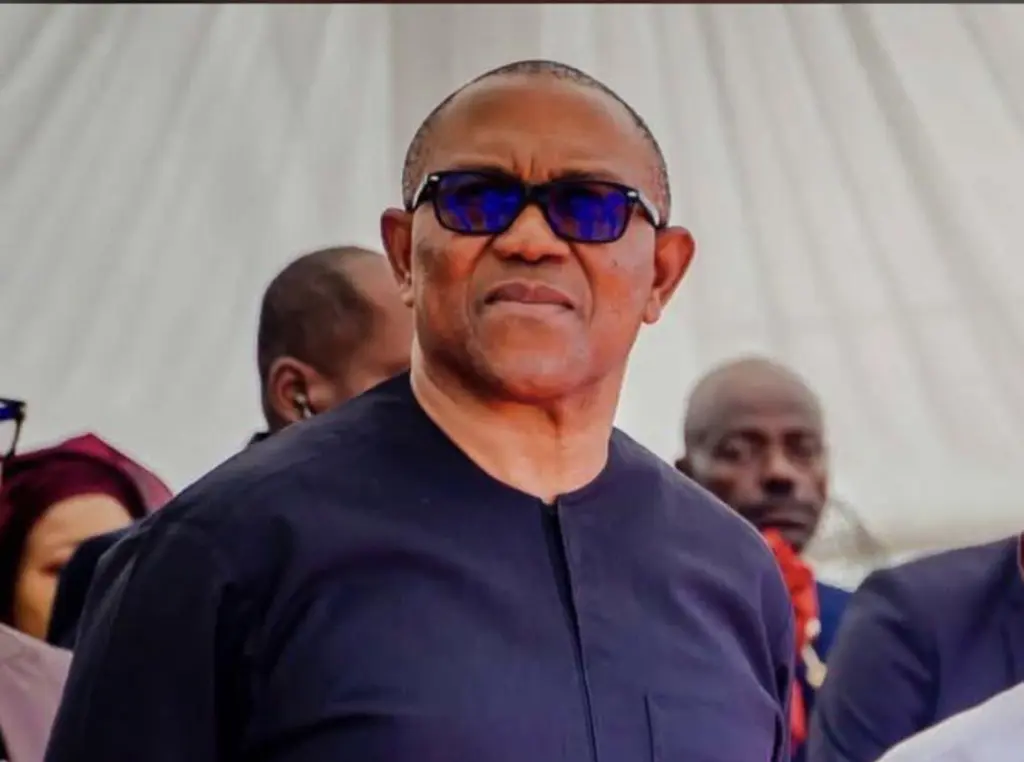
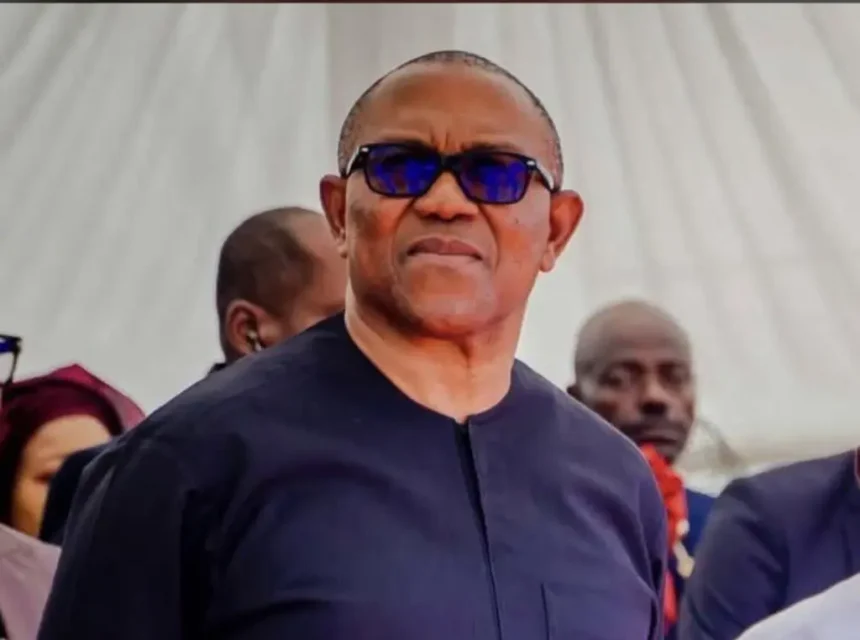
He highlighted that Peter Obi did not contribute financially to these initiatives, which were powered by ordinary Nigerians.
“Even the Global Obidient March in February 2023, which attracted large crowds both locally and abroad, relied solely on volunteer support, with many contributors still out of pocket,” he said.
Ngogbehei’s remarks come following the resignation of Morris Monye, a key Obidient organiser, who cited insufficient support and poor coordination as reasons for stepping down.
He argued that Monye’s departure underscores structural weaknesses, including unclear leadership appointments, lack of funding, and inadequate consultation with foundational groups.
Criticizing Obi’s 2024 appointment of new leaders without engaging the movement’s original volunteers, Ngogbehei described selections such as Dr. Yunusa Tanko as unrepresentative.
He reiterated that the Obidient Movement remains largely underfunded and dependent on unpaid volunteers who carried it from inception.
While maintaining he harbors no personal grievance against Obi, Ngogbehei urged a return to democratic, bottom-up leadership, transparency in resource management, and consistent communication with founding members.
He concluded that the movement, though wounded, is not beyond repair and can regain its core principles if people, not just leaders, are empowered to sustain it.
FURTHE READING