- Dikko added that President Tinubu expressed satisfaction with the commission’s progress and pledged continued support
- He also highlighted Nigeria’s performances at the African School Games in Algeria and the African Youth Games in Angola
- Dikko emphasized collaboration with the Federal Ministry of Education to revive school sports competitions
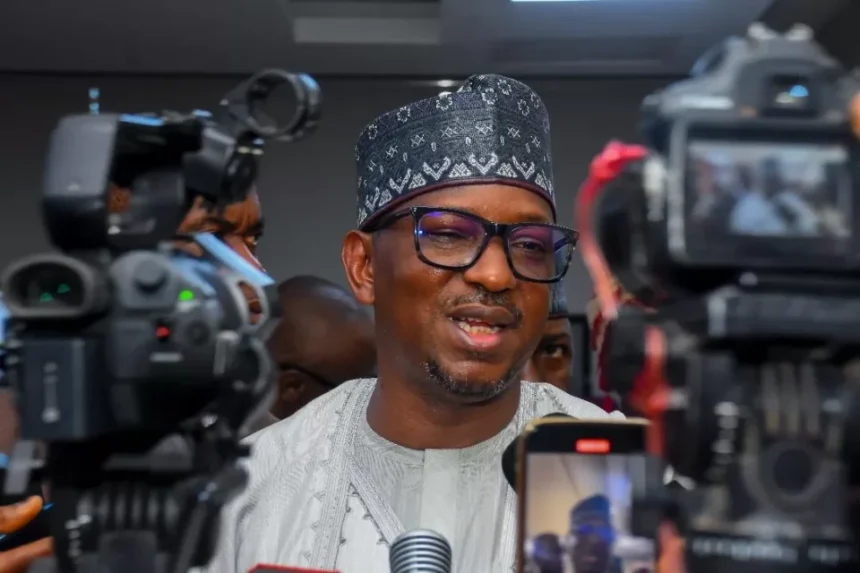
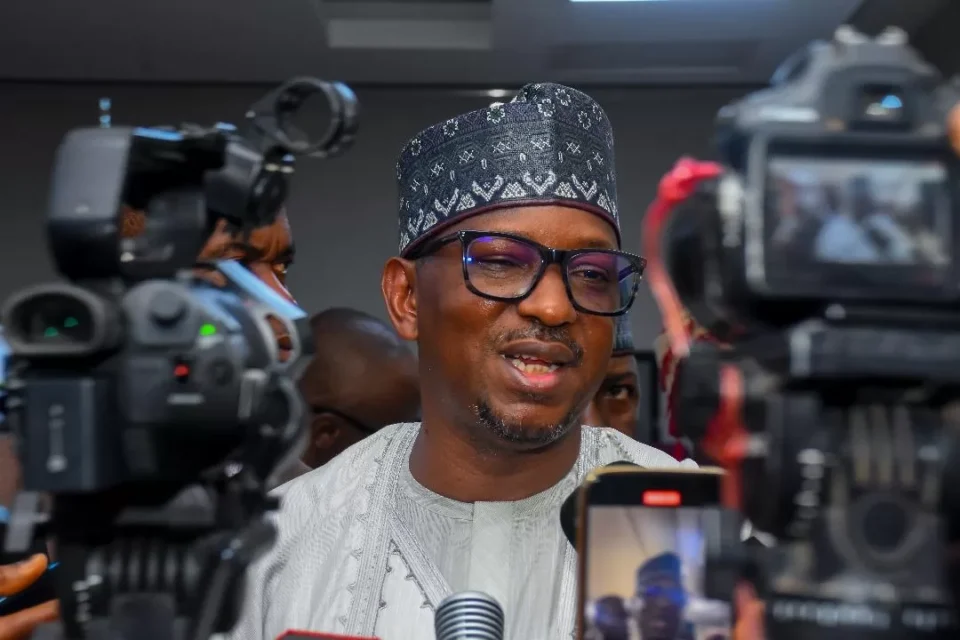
The Chairman of the National Sports Commission (NSC), Shehu Dikko, on Thursday visited President Bola Tinubu at the Presidential Villa in Abuja to provide an update on the commission’s performance in 2025 and outline plans for 2026.
Speaking to reporters after the meeting, Eko Hot Blog gathered that Dikko described the visit as part of routine reporting, emphasizing that the NSC reports directly to the President.
EDITOR’S PICK
- Grand Wedding Reception: Halimot, Saheed Mark Their Union
- Ikosi-Ejinrin LCDA Celebrates Former Chairman, Hon. Segun Adetola, on Birthday
- Sanwo-Olu Flags Off Free Eye Screening for 1,000 Lagos Police Officers
“It was a standard briefing. We informed Mr. President about our achievements last year, the progress on approved projects, and our roadmap for 2026,” he said.
Dikko added that President Tinubu expressed satisfaction with the commission’s progress and pledged continued support for the administration’s vision of developing a robust sports economy in Nigeria.
“Mr. President is pleased with the progress and remains committed to supporting our mandate to establish a sports-driven economy,” Dikko noted.
Highlighting 2025 achievements, the NSC chairman revealed that Nigerian athletes secured nearly 375 medals across different competitions and that sports contributed approximately 1.2 percent to the country’s GDP in the third quarter.
He also disclosed that the sector attracted about ₦50 billion in private funding and created nearly 140,000 jobs through direct, indirect, and induced employment.
“Today, sports is measured not only by medals but also by its economic impact and employment generation,” Dikko said.
He further outlined the “Renewed Hope Initiative for Nigeria’s Sports Economy,” a strategy aimed at ensuring success both on and off the field. The initiative includes accelerating sports infrastructure development at both elite and grassroots levels.
On grassroots sports, Dikko cited notable progress, including the introduction of Invited Junior Athletes as the “38th state” in the last National Sports Festival, aimed at identifying and nurturing young talents.
He also highlighted Nigeria’s performances at the African School Games in Algeria and the African Youth Games in Angola, along with the creation of Intermediate Games for under-18 and under-20 athletes.
Dikko emphasized collaboration with the Federal Ministry of Education to revive school sports competitions, including principal’s cup tournaments, with 2026 budget allocations already made.
He stressed that federations must demonstrate grassroots development before receiving support for international competitions.
The NSC chairman also announced that President Tinubu had approved the constitution of the board for the Nigeria Anti-Doping Agency, following the signing of the anti-doping bill last year, fulfilling conditions set by the World Anti-Doping Agency (WADA).
“WADA required the board to be constituted. With the President’s approval, Nigeria has maintained its status as a clean sports nation,” he said.
Addressing football issues, Dikko spoke on Nigeria’s pending Africa Cup of Nations case with FIFA. He confirmed that the Nigeria Football Federation had submitted complaints over alleged rule breaches during World Cup qualification.
Dikko clarified that independent FIFA committees are handling the matter based on regulations, not the executive committee.
“We documented several breaches before the playoffs and submitted them formally. This is about following the rules, not being sore losers,” he said.
Finally, Dikko highlighted recent presidential directives ensuring timely budgetary allocations for sports, noting that early release of funds is crucial for planning and effective implementation.
“Sports is time-sensitive. With the President’s directives, we can plan and execute programmes efficiently once budgets are approved,” he concluded.
FURTHER READING