- he argued that Nigeria’s borrowing pattern had largely failed to produce corresponding developmental gains
- Obi said the combined external borrowing commitments were approaching $8 billion
- He compared the projected debt servicing figure with allocations contained in the proposed 2026 budget
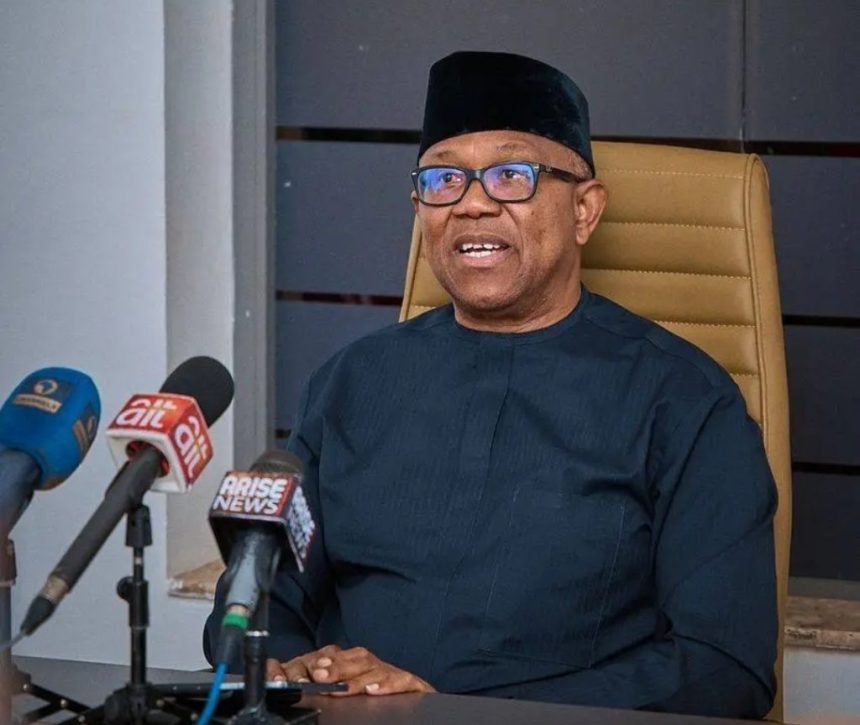
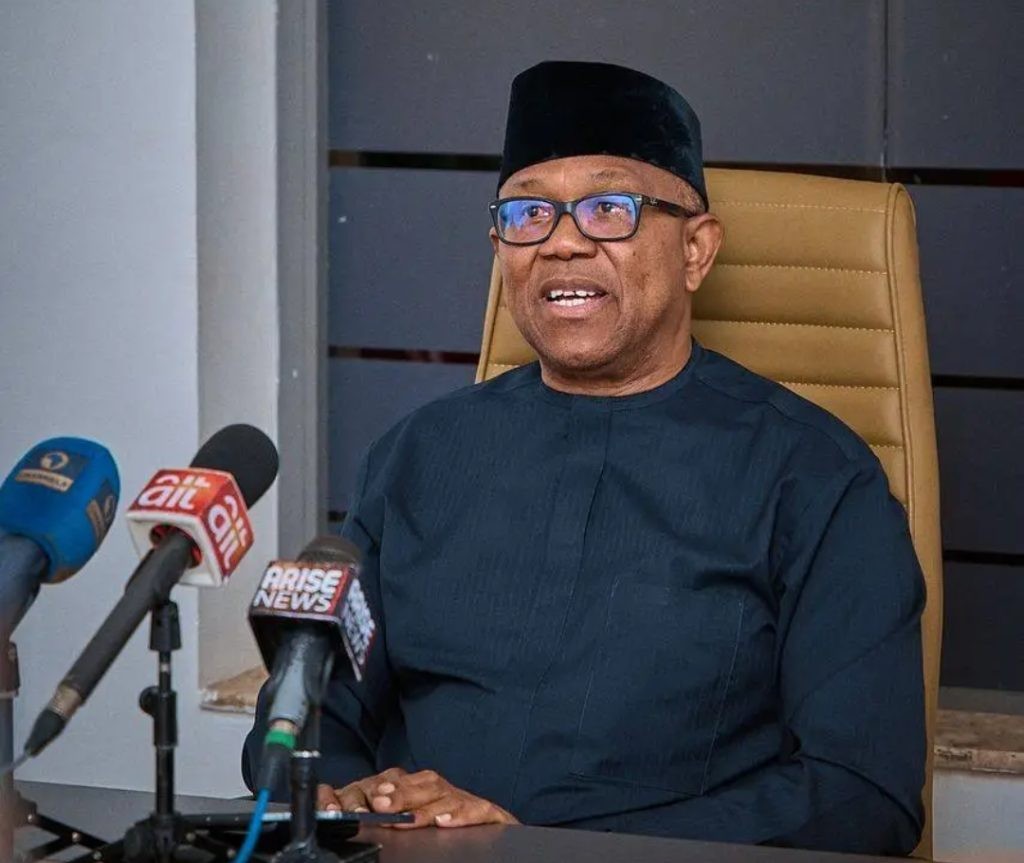
Former Anambra State Governor Peter Obi has raised concerns over Nigeria’s projected debt servicing bill of about $11.6 billion for 2026, warning that the figure should prompt serious reflection on the country’s fiscal direction and spending priorities.
Eko Hot Blog reports that Obi made the remarks on Monday in a statement shared via his official X account, where he questioned the growing debt burden and its impact on key sectors of the economy.
EDITOR’S PICK
- Fani-Kayode, Omokri Oppose Return Of Power To North Before 2031, Endorse Tinubu For 2027
- Putin defends Ukraine war amid NATO aggression claims
- Epe Stakeholders Unite in Massive Endorsement for Wale Raji, Tobun, Tinubu, Others
The former presidential candidate stated that borrowing was not inherently problematic when funds were invested prudently and channelled into productive ventures capable of driving growth.
However, he argued that Nigeria’s borrowing pattern had largely failed to produce corresponding developmental gains.
According to him, much of the country’s previous loans had been used to fund consumption rather than long-term investments, with limited evidence of sustainable outcomes despite rising debt levels.
Obi also noted that a significant share of the debt currently being repaid was accumulated under President Bola Tinubu’s administration, while borrowing activities had continued.
He cited recent external financing arrangements, including loans linked to institutions such as the First Abu Dhabi Bank, financing through UK Export Finance, additional support being considered from the World Bank, and financing arrangements involving Deutsche Bank.
Obi said the combined external borrowing commitments were approaching $8 billion, while domestic borrowing through bond issuances continued to increase overall debt exposure.
He compared the projected debt servicing figure with allocations contained in the proposed 2026 budget, noting that combined spending on health, education and poverty reduction was considerably lower.
According to him, budget provisions for the three sectors stood at about ₦5.9 trillion, while projected debt servicing obligations could exceed ₦17 trillion depending on exchange rates.
He warned that such a trend risked reducing investment in human development and social welfare.
Obi further expressed concern that even approved allocations to critical sectors often faced implementation challenges and possible diversion.
Drawing comparisons with countries such as Japan, United Kingdom, United States, United Arab Emirates, Singapore and Indonesia, Obi said high debt levels could remain manageable when borrowing supported sectors such as infrastructure, healthcare, education and innovation.
He maintained that the key issue was not borrowing itself but whether the funds translated into productivity, economic growth and improved living conditions.
Obi warned that failure to achieve such outcomes could turn debt servicing into a long-term burden that weakens development and deepens economic challenges.
His comments followed President Tinubu’s recent remarks at the Africa Forward Summit in Nairobi, Kenya, where he disclosed that Nigeria was expected to spend about $11.6 billion on debt servicing in 2026.
Obi recently joined the Nigeria Democratic Congress after previously aligning with a political coalition under the African Democratic Congress.
FURTHER READING