- The team had briefed her last Friday on the progress recorded in birth registration nationwid
- She said the milestone demonstrates a shared determination to protect children’s rights
- Beyond birth registration, she also acknowledged progress made in tackling major health challenges
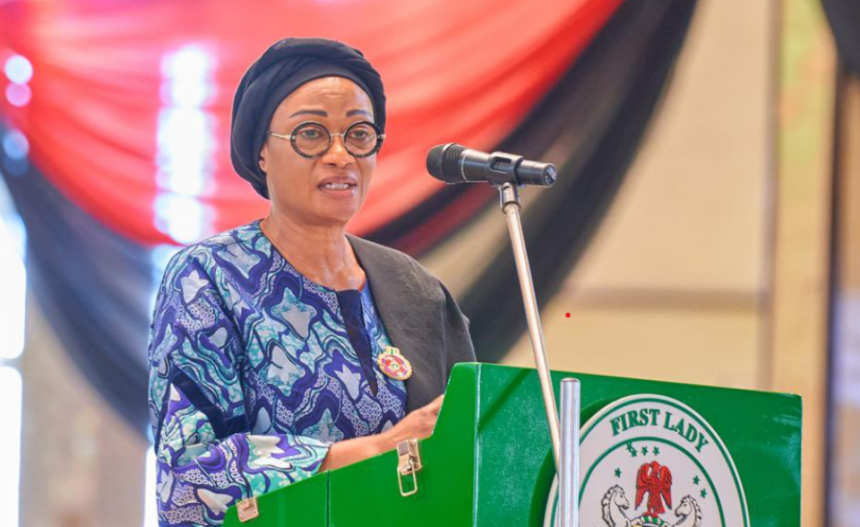
Nigeria’s First Lady, Oluremi Tinubu, has praised the registration of 14 million children across the country over the past two years, describing the development as a significant step toward securing every child’s identity and legal rights.
Eko Hot Blog reports that she made the remarks on Monday in a post shared on her official X account after meeting with UNICEF Nigeria’s Country Representative, Ms. Wafaa Abdelatef, and her delegation.
EDITOR’S PICK
- Troops Intercept Suspected Gun Runner, Seize 969 Rounds of Ammunition in Taraba
- Lagos Receives $1m Japanese Support to Prevent Cholera Outbreak
- Eniola Badmus: Mindset Transformation Is Secret To My 80kg Weight Loss Success
The team had briefed her last Friday on the progress recorded in birth registration nationwide.
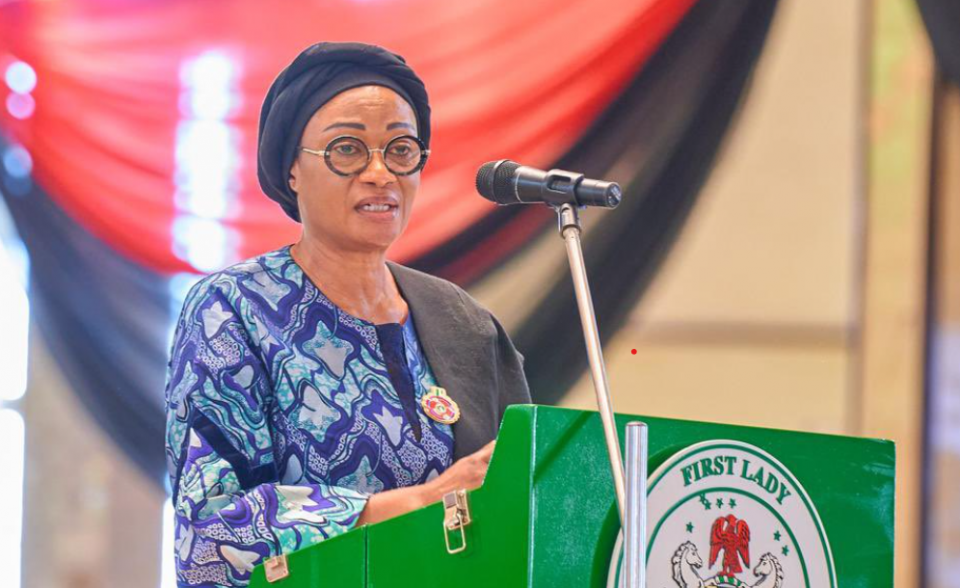
According to the First Lady, UNICEF disclosed during the meeting that birth registrations in Nigeria have climbed to 14 million within two years, marking a substantial increase.
She said the milestone demonstrates a shared determination to protect children’s rights and ensure that every Nigerian child has a recognized identity.
Tinubu expressed gratitude to development partners, the First Ladies of the 36 states, as well as coordinators of the Renewed Hope Initiative and the FCT, for their continued efforts in promoting birth registration and child welfare programmes throughout the country.
Beyond birth registration, she also acknowledged progress made in tackling major health challenges, including HIV/AIDS, tuberculosis, cervical cancer, syphilis, hepatitis B, Female Genital Mutilation, neglected tropical diseases, and vaccine-preventable illnesses.
The First Lady called for sustained collaboration and renewed commitment, voicing confidence that Nigeria can surpass global health targets ahead of the 2030 deadline if stakeholders maintain the current momentum.
FURTHER READING