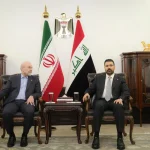
- Foreign ministers from the four countries are expected to hold detailed discussions over two days
- Since the conflict began on February 28, following military action by the United States and Israel
- All four are also directly concerned about the potential disruption to critical energy supplies
Pakistan is set to host high-level talks with Saudi Arabia, Turkey, and Egypt starting Sunday, as part of efforts to address the ongoing conflict involving Iran.
Eko Hot Blog reports that the move also signals Islamabad’s intention to position itself as a possible venue for future negotiations between the United States and Iran.
EDITOR’S PICK
- G7 Meets in France Amid Middle East Tensions
- Epe in Focus: Tinubu to Announce Lagos APC Consensus Governorship Candidate Monday
- Bisola Badmus Rallies Support for Biola Bayo Following Heated Baba Ijesha Interview Backlash
Foreign ministers from the four countries are expected to hold detailed discussions over two days, focusing on ways to reduce tensions and stabilize the region, according to Pakistan’s foreign ministry.
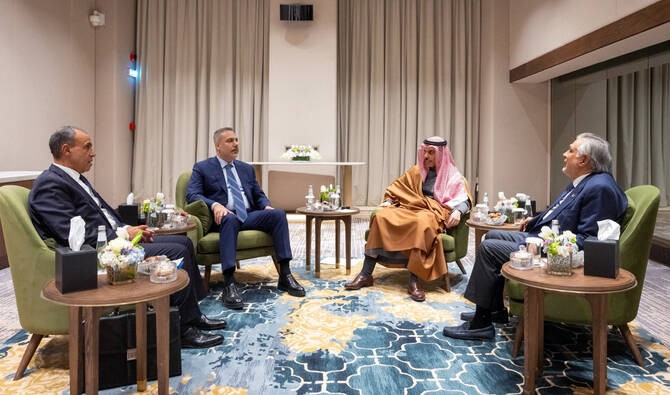
Hakan Fidan said the meeting aims to explore practical steps toward de-escalation and to assess the direction of the conflict. He noted that the participating nations would examine how best to contribute to peace efforts.
Since the conflict began on February 28, following military action by the United States and Israel, these countries have been actively involved in mediation efforts between Washington and Tehran.
All four are also directly concerned about the potential disruption to critical energy supplies and major trade routes.
Pakistan has already passed along a U.S. proposal to Tehran aimed at ending the conflict and has offered to host negotiations. Iranian officials have indicated that any potential talks could take place either in Pakistan or Turkey.
Meanwhile, Donald Trump has expressed optimism about progress in talks, though Iran has denied that any direct negotiations are currently underway.
Tehran is reportedly reviewing a 15-point proposal from Washington, although some Iranian officials have criticized it as unbalanced.
The proposal includes demands related to Iran’s nuclear program, missile capabilities, and control over the strategically important Strait of Hormuz.
Speaking at an event in Istanbul, Fidan stressed the need for coordinated international action in what he described as an increasingly multipolar world.
He added that urgent and practical measures are needed to protect global trade routes and energy security, and to prevent further economic and regional damage.
FURTHER READING