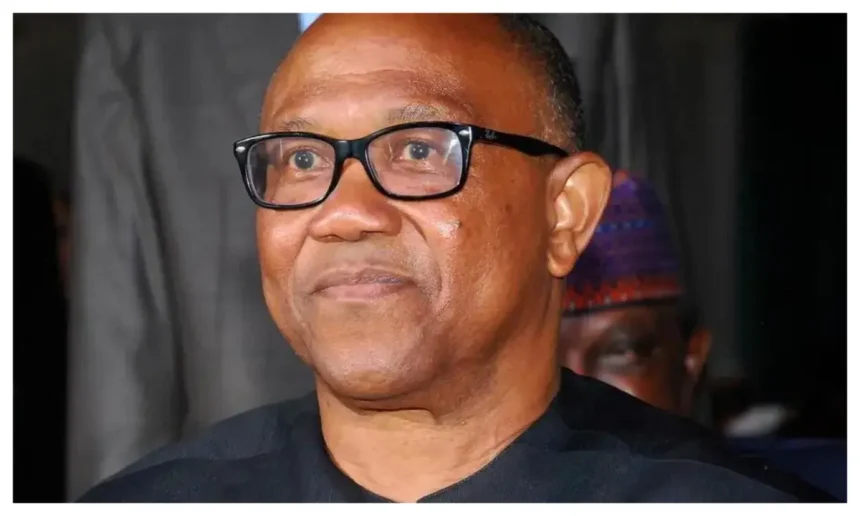
- Obi described the situation as disturbing, warning against celebrating rising government revenue while citizens’ living standards continue to decline
- Obi cautioned that without transparency, taxation turns into a source of confusion and suffering rather than a driver of economic expansion
- He noted that integrity remains the cornerstone of impactful leadership, stressing that governments owe the people honesty
Former Anambra State governor and Labour Party’s presidential candidate in the 2023 general election, Peter Obi, has warned that any tax system that worsens hardship rather than improving lives cannot support meaningful national development.
Eko Hot Blog reports that Obi made this known in a statement released in Awka, where he emphasised that real economic and social progress depends on collective agreement, open governance, and principled leadership.
EDITOR’S PICK
- Akpabio Assures Nigerians of Strong Institutions in 2026
- Dollar to Naira Rate for Today, January 1 2026
- Military Eliminates 20 Top Terrorist Commanders, Rescues 2,336 Kidnap Victims in 2025
Drawing lessons from his engagements with global leaders, Obi stated that countries which successfully rebuilt their economies did so by earning the trust of their citizens and rallying them around a common developmental goal.
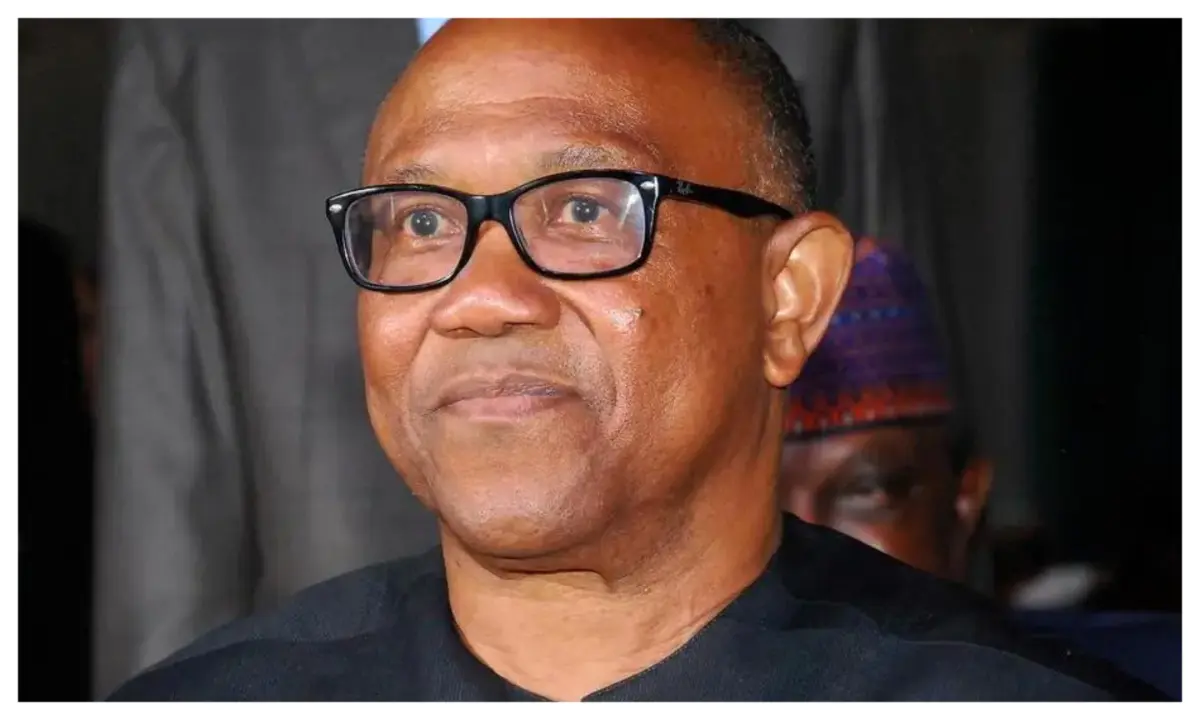
He noted that integrity remains the cornerstone of impactful leadership, stressing that governments owe the people honesty, openness, and sincerity when designing and executing policies.
Obi argued that leaders who exploit public resources for personal gain ultimately weaken national cohesion and sabotage long-term growth.
He maintained that Nigeria’s current tax framework must be reviewed in line with fairness, transparency, and concern for citizens’ welfare.
According to him, taxation only becomes acceptable when people clearly understand how it affects their earnings and how the proceeds contribute to national progress.
Obi cautioned that without transparency, taxation turns into a source of confusion and suffering rather than a driver of economic expansion, adding that Nigerians are increasingly burdened with levies that lack clear justification or visible benefits.
He called for a complete reassessment of the country’s fiscal direction, insisting that taxation should aim at improving citizens’ prosperity, not merely boosting government income.
The former governor explained that a strong, productive economy naturally widens the tax base, while heavy taxation in a fragile economy only deepens poverty.
Obi identified small and medium-scale enterprises as the foundation of sustainable development, noting that thriving businesses create jobs, increase earnings, and expand revenue organically.
“You cannot escape poverty through taxation alone; productivity is the real solution,” he said, while raising alarm over what he described as a troubling tax law controversy.
He alleged that, for the first time in Nigeria’s history, a forged tax law had been gazetted, claiming lawmakers admitted that the published version differed from what was actually passed.
Obi described the situation as disturbing, warning against celebrating rising government revenue while citizens’ living standards continue to decline.
He concluded by calling for a lawful, fair, and people-focused tax system that encourages production, rewards hard work, protects the vulnerable, and rebuilds trust between the government and the people.
FURTHER READING