- Findings revealed that all 22 power plants connected to the national grid were affected at the time of the collapse
- NISO disclosed that more thermal power plants could be added to the grid once gas availability is fully confirmed
- Adetayo Adegbemle, urged the Federal Government to reintegrate large electricity consumers into the national grid
The national electricity grid suffered another setback on Monday afternoon after several power generation stations simultaneously dropped off the system, plunging many parts of the country into darkness.
Eko Hot Blog reports that the collapse occurred at about 2:00 p.m., shortly after power generation had climbed to approximately 4,800 megawatts earlier in the day. Available data showed that output later crashed sharply to about 139 megawatts by 3:00 p.m., worsening outages across homes and businesses natinwide.
EDITOR’S PICK
- Obaseki Condemns Attack As Suspected Thugs Strip Cousin Naked In Benin
- Nigeria Remains Stable, Not at War, Edun Assures Investors
- Lagos Shines as Eyo Festival Returns to TBS
Although the immediate trigger of the incident was not officially disclosed, the disruption happened amid ongoing efforts by the Nigerian Independent System Operator (NISO) to steadily increase generation following recent gas supply challenges linked to pipeline vandalism.
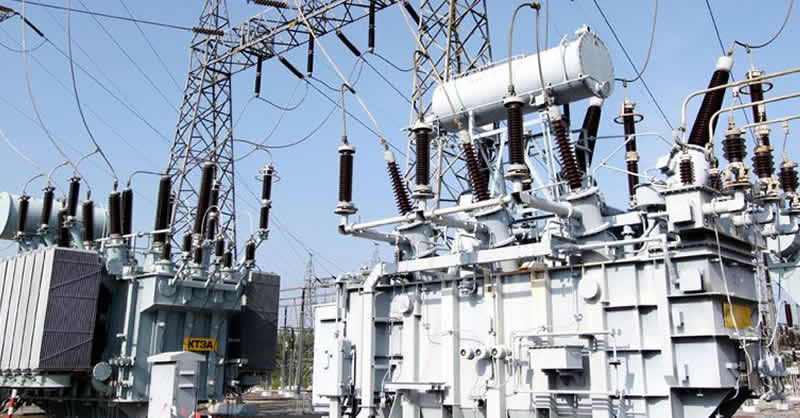
Findings revealed that all 22 power plants connected to the national grid were affected at the time of the collapse. Restoration activities, however, commenced hours later, with Azura Power generating 403MW, Delta Power Station contributing 152MW, Kainji producing 120MW, Okpai supplying 204MW, and Omotosho adding 30MW. These efforts lifted available generation to about 900MW as of 6:00 p.m.
The Eko Electricity Distribution Company confirmed the development in a notice to customers, appealing for patience as efforts continued to stabilise the system. The utility explained that the system collapse at about 14:01 hours led to widespread loss of supply across its network, adding that it was working closely with sector partners to ensure quick restoration.
The latest collapse comes weeks after Nigerians endured prolonged outages following damage to the Lagos–Escravos–Lagos gas pipeline. Over the weekend, NISO had announced improvements in electricity supply after the pipeline was repaired, attributing the progress to interventions by the Nigerian Gas Infrastructure Company and improved gas flow to key thermal plants.
In a statement, NISO said affected power stations had begun a cautious return to operation, stressing that generation was being increased gradually to protect the stability of the grid. The operator noted that a measured ramp-up was necessary to prevent additional strain on the system while sustaining electricity delivery to consumers.
Despite these assurances, Monday’s incident appears to signal a setback in the ongoing recovery process. NISO disclosed that more thermal power plants could be added to the grid once gas availability is fully confirmed, a move expected to strengthen capacity and reduce outage risks.
The operator added that it remains in constant engagement with generation companies, gas suppliers and regulators to address emerging challenges and maintain recent gains in the sector.
Meanwhile, the Minister of Power, Adebayo Adelabu, had earlier assured Nigerians that electricity supply would normalise within 24 to 48 hours after the recent decline caused by gas constraints, though the latest collapse has raised fresh concerns.
This development marks the second major grid failure recorded in 2025, a sharp contrast to a previous year when the grid reportedly collapsed 12 times. Past data from the Nigerian Electricity Regulatory Commission show that the national grid has failed over 100 times within a decade, often crippling economic and social activities.
Reacting to the situation, PowerUp Nigeria convener, Adetayo Adegbemle, urged the Federal Government to reintegrate large electricity consumers into the national grid.
He argued that the exit of major users has shifted the burden of sustaining the grid to residential consumers, leading to higher tariffs and increased reliance on costly alternative power sources.
According to him, redirecting investments currently spent on self-generation back into the national grid would help stabilise the system.
FURTHER READING