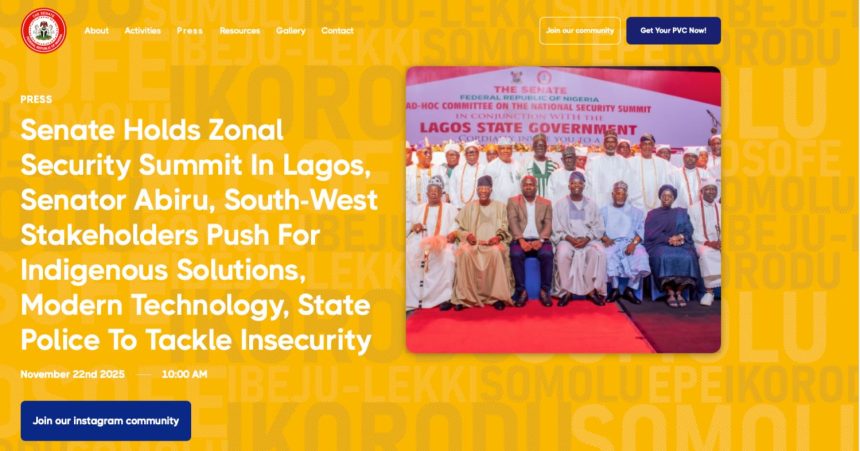
- Senate-led South-West Security Summit focuses on state policing, technology, and indigenous approaches.
- Traditional rulers, security agencies, and civil society push for community-driven policing and better welfare for operatives.
- Stakeholders warn that rising insecurity in the region demands immediate, collaborative action.
Key stakeholders in government, security agencies, traditional institutions, and civil society converged in Lagos on Friday for the South-West Zonal Security Summit organised by the Nigerian Senate, as the call for state policing, indigenous security strategies, and advanced technology gained renewed momentum.
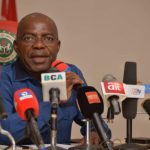
Eko Hot Blog reports that the summit, part of the 10th Senate’s national security engagements, was chaired by the Senator representing Lagos East Senatorial District, Senator Mukhail Adetokunbo Abiru, who leads the South-West zonal hearings of the Senate Ad-Hoc Committee on National Security.
EDITOR’S PICKS
- Emirates To Resume Flights To Nigeria After Two-Year Suspension
- Trump: BBC Questions Data Behind ‘Christian Genocide’ Claims In Nigeria
- PDP Faction Postpones Ekiti Governorship Primary
In his opening remarks, Senator Abiru urged Nigerians to unite in confronting insecurity. He warned that escalating incidents within the region required urgent and coordinated action.
“While the South-West has not experienced the full brunt of terrorism as in some other regions, the rise in banditry, kidnapping, and violent crimes across our states is deeply troubling,” he said.
He further emphasized the urgency of proactive measures.
“Our villages and farmlands have come under increasing threat… If decisive action is not taken, the danger could spill fully into the South-West geo-political zone,” he stated.
Calling for collaboration, he added:
“We must use every resource – human, material and technological – to defend our communities… Security is a collective responsibility.”
Senator Abiru also charged the media to avoid divisive narratives, saying,
“We must promote narratives that strengthen unity, inspire confidence, and avoid framing our national challenges along ethnic or religious lines.”
Representing Lagos State Governor Babajide Sanwo-Olu, the CEO of the Lagos State Security Trust Fund, Dr. Ayodele Ogunsan, reaffirmed the state’s commitment to strengthening security systems and advocated a unified regional security structure.
“We must reaffirm our commitment to a regional security framework, which includes transforming Amotekun into a more unified, well-equipped, technology-driven command,” he said.
He stressed that security remains the backbone of economic stability.
“A region that cannot promise safety cannot promise prosperity either,” he noted.
Other federal lawmakers—including Senator Ibrahim Jimoh and Senator Gbenga Daniel—also called for collective and unconventional approaches to tackle the nation’s evolving security threats.
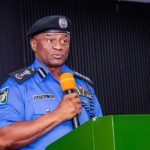
In his technical presentation, Lagos State Commissioner of Police, CP Moshood Jimoh, said effective security responses must reflect local realities, describing security challenges as “local issues requiring local solutions.”
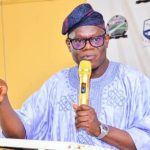
Traditional rulers also lent their voices, led by the Alara of Ilara, Oba Olufolarin Ogunsanwo, who advocated a community-driven model.
“We need community policing, modern technology, a joint task force, expanded recruitment, better equipment, and more opportunities for our youths,” he said.
The Aare Onakakanfo of Yorubaland, Iba Gani Adams, reiterated that establishing state police remains a central solution to Nigeria’s security crisis.
FURTHER READING
- Tinubu Swears In Two New Ministers
- Hilda Baci Receives Second Guinness World Record Plaque
- Senate Passes Landmark Bill: Lecturers Who S3xually Harass Students to Face 14 Years in Jail
Representatives of civil society, youth groups, religious institutions, and women’s groups also called for improved welfare packages for security operatives to boost morale and operational efficiency.
Click here to watch video of the week