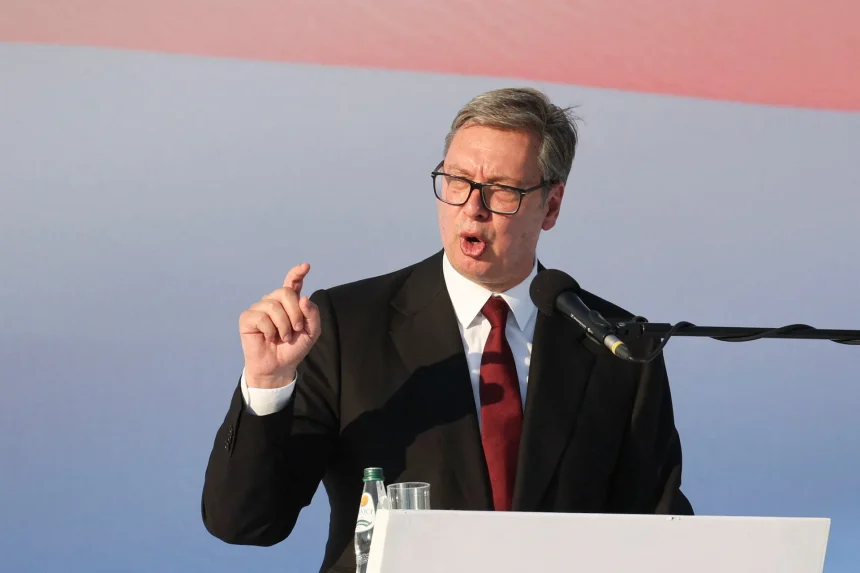
- Vučić announced he will resign in a few weeks
- He said Serbia will hold early presidential and parliamentary elections
- The move follows months of widespread anti-government protests
Serbian President Aleksandar Vučić has announced that he will resign within the next few weeks and that Serbia will hold early presidential and parliamentary elections, following more than a year of sustained anti-government protests.
Eko Hot Blog gathered that Vučić, who has served as either president or prime minister for the past 12 years, made the announcement during a pro-government rally in Belgrade. His current presidential term was originally due to end in 2027.
EDITOR’S PICK
- UN Mobilizes Humanitarian Aid For Venezuela Following Twin Earthquakes
- Dollar To Naira Exchange Rate Today, June 26, 2026
- Concerns As Repentant Boko Haram Members Allegedly Join Army Recruitment
The protests began after the collapse of a railway station canopy in the city of Novi Sad in November 2024, which claimed 16 lives. The tragedy sparked widespread demonstrations led by students, with protesters accusing the government of corruption, poor oversight of public projects and institutional failure.
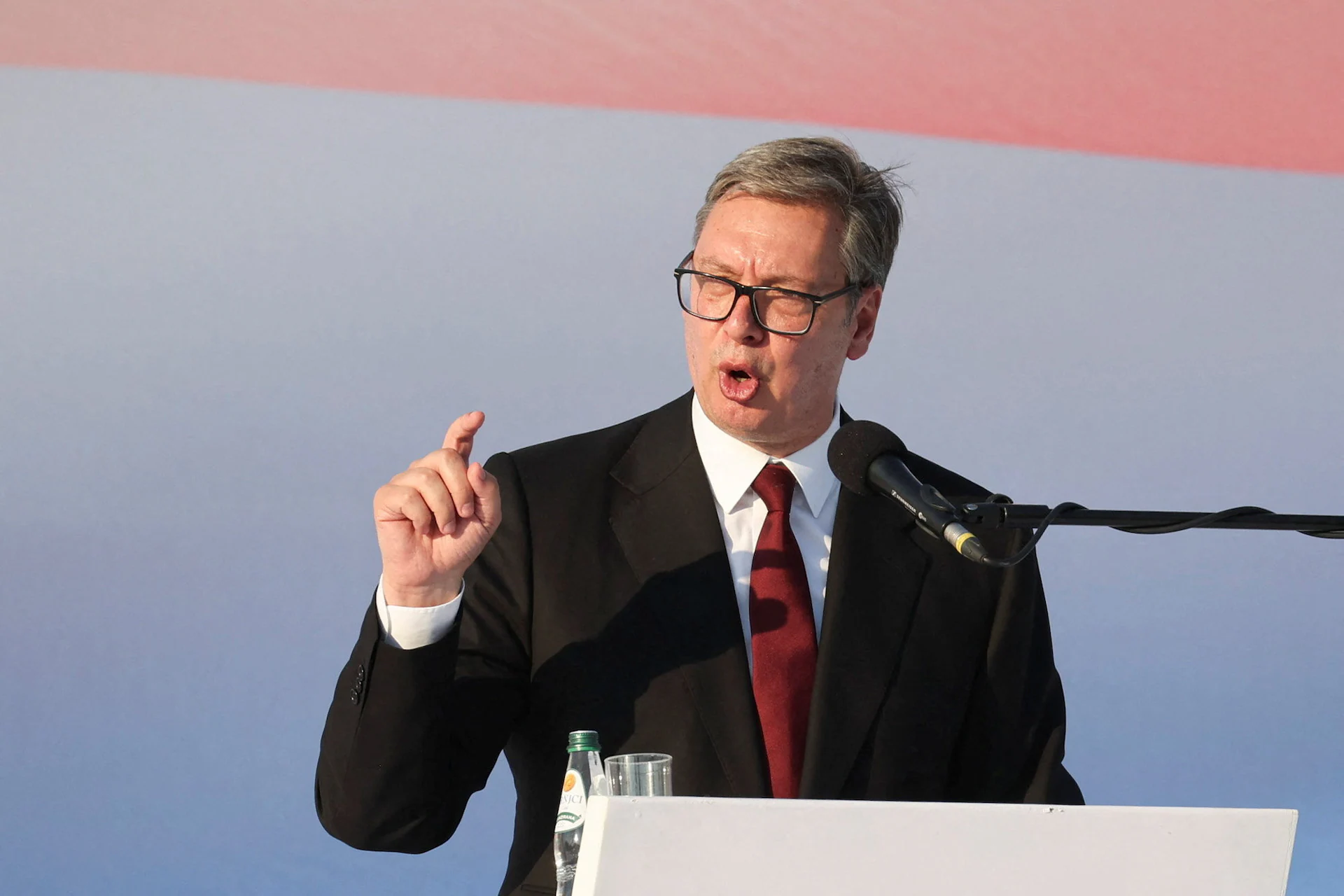
Addressing supporters, Vučić said he would soon leave the presidency but pledged to help his ruling Serbian Progressive Party secure victory in both the presidential and parliamentary elections.
“I will be president for only a couple more weeks, and then I will resign,” he said, proposing that the party contest the elections under the banner “United Serbia.”
Although he confirmed his intention to resign, Vučić did not specify a date or indicate when parliament would be dissolved, a necessary step before early legislative elections can take place.
Political analysts believe the move may not signal the end of Vučić’s influence. Many expect him to return as prime minister if his party wins the parliamentary election while backing a trusted ally for the presidency, allowing him to retain significant political control.
Warsaw-based analyst Radivoje Grujić said the resignation appeared to be part of a broader political strategy rather than a retirement from public life.
The timing of the announcement has also been linked to the ongoing protest movement, which has become Serbia’s largest wave of demonstrations since the overthrow of Slobodan Milošević in 2000.
Student groups and opposition parties have continued to demand snap elections, insisting that the current administration has lost public confidence. Opposition leader Savo Manojlović argued that Vučić’s resignation was an attempt to stay ahead of growing public pressure and mounting support for the protest movement.
Despite the largely ceremonial nature of the Serbian presidency, Vučić has remained the country’s dominant political figure through his leadership of the ruling party and influence over government affairs. He has previously suggested he could return to the office of prime minister after leaving the presidency.
During the rally, Vučić accused student protesters and opposition activists of attempting to destabilise Serbia with support from unnamed foreign actors, allegations the protesters have repeatedly denied.
He also promised stronger anti-corruption measures, higher pensions, increased welfare support and improvements to public healthcare if his party remains in power.
Serbia continues to seek membership of the European Union while maintaining close ties with Russia and China. The EU has repeatedly urged the country to strengthen the rule of law, improve electoral standards and intensify efforts to tackle corruption and organised crime before accession can move forward.
FURTHER READING