- Despite tensions, negotiations for a possible US-Iran deal are still ongoing
- The attack followed renewed fighting involving Hezbollah and Israeli forces
- Trump criticised Israel’s strike on Lebanon, saying it could disrupt peace talks with Iran
U.S. President Donald Trump has criticised Israel’s latest military strike on Lebanon, warning that the attack could complicate ongoing efforts to secure a peace framework between the United States and Iran aimed at ending months of regional conflict.
Eko Hot Blog reports that Trump made the remarks after Israeli forces carried out strikes in Beirut’s southern suburbs, an area known to be a stronghold of the Iran-backed Hezbollah movement.
EDITOR’S PICK
- Federal Lawmaker Yaya Tongo Dies In Abuja Hospital
- Rep. Wale Raji Celebrates Alhaja Aduke Salimot Seriki on Birthday
- Nancy Isime Recalls Alex Ekubo’s Fearless Humor, Generosity at Late Actor’s Tribute
The U.S. president said the operation came at a delicate moment when negotiations were nearing a possible breakthrough.
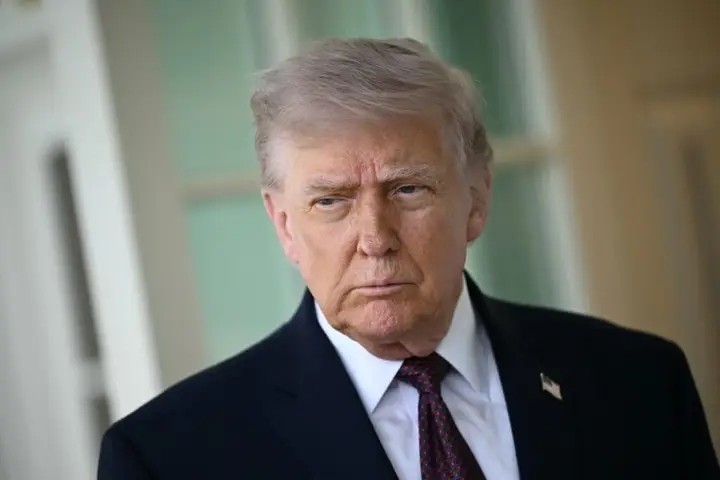
In a message posted on Truth Social, Trump stated that the attack should not have occurred, especially when discussions were progressing toward an agreement that could help restore stability across the region. He urged all sides to avoid actions capable of derailing the peace process.
The comments came after Iranian officials questioned Washington’s ability to honour its commitments following the strike.
Iranian negotiator Mohammad Baqer Qalibaf argued that the attack raised concerns about whether the United States could effectively guarantee the implementation of any future agreement.
Tensions escalated further after Israel said Hezbollah had launched projectiles into northern Israeli communities, prompting retaliatory strikes on what it described as militant targets in Beirut. Lebanese emergency officials reported casualties following the operation.
Iran also warned that the attack would not go unanswered. Senior military officials in Tehran condemned the strike and vowed a response, increasing concerns that the incident could inflame an already fragile situation.
Despite the setback, diplomatic efforts to finalise a deal continued. Trump and Pakistani officials had earlier indicated that a framework agreement could be signed soon, although Iranian authorities later suggested that important political, legal and technical issues were still under review.
Sources familiar with the negotiations said the proposed arrangement includes the release of billions of dollars in frozen Iranian assets and the easing of certain sanctions.
In return, Iran would make commitments related to its nuclear activities and maritime security in the Gulf region.
The draft proposal is also expected to address the reopening of the Strait of Hormuz, a key global shipping route that has faced disruptions during the conflict. The closure of the waterway has contributed to rising energy prices and increased concerns in international markets.
While Washington maintains that any final agreement should eventually lead to the dismantling of Iran’s nuclear programme, Iranian officials insist their country is not seeking nuclear weapons and want guarantees that sanctions relief will be implemented.
Meanwhile, Israel has maintained that it reserves the right to continue military operations against Hezbollah in Lebanon, a position that has reportedly created friction with Washington as negotiations with Tehran move forward.
The conflict, which has claimed thousands of lives across the region, continues to cast uncertainty over diplomatic efforts, even as mediators work to secure an agreement that could reduce tensions and prevent further escalation.
FURTHER READING