- Israel launched wide-scale strikes targeting infrastructure in central Iran, including Isfahan, early Thursday morning. This follows nearly four weeks of intense conflict.
- U.S President Donald Trump claims Iranian officials are secretly negotiating for peace out of fear, while Iran’s Foreign Minister, Abbas Araghchi, has publicly dismissed any talks with Washington.
- The continued closure of the Strait of Hormuz, a chokepoint for 20% of global oil and gas, is sending energy markets into a tailspin and threatening a global recession.
- Pro-Iran groups in Lebanon, Saudi Arabia, and the UAE have intensified retaliatory attacks, with Hezbollah launching over 80 strikes in a single day against Israeli military sites.
The conflict between Israel and Iran reached a new peak on Thursday, March 26, 2026, as the Israeli military conducted a “wide-scale wave of strikes” across Iran.
The bombardment targeted key infrastructure in cities like Isfahan, a move that triggered a swift Iranian missile response, activating air raid sirens across Tel Aviv and Jerusalem for the first time in over 14 hours.
EDITOR’S PICK
- Ogun Begins Crackdown on Illegal Parks at Sango Border Over Rising Accidents
- Police Nab 30-Year-Old ‘Super M’ During Stop-and-Search in Lagos
- LASG Launches Investigation Into Cosmetic Surgery Death
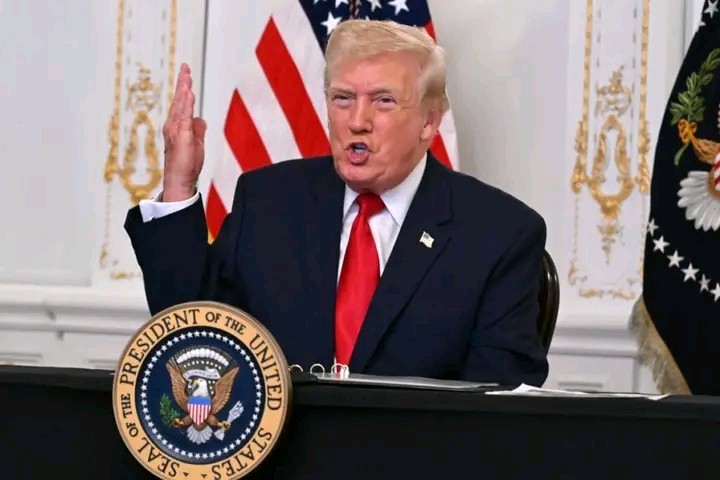
Despite the violence, President Donald Trump insisted during a dinner for Republican members of Congress that Tehran is “negotiating” behind the scenes.
“They want to make a deal so badly, but they are afraid to say it because they figure they’ll be killed by their own people,” Trump stated.
However, the White House also maintained a hardline stance, with Press Secretary Karoline Leavitt warning that Trump is “prepared to unleash hell” if a deal is not reached.
Iran has remained defiant, with Foreign Minister Abbas Araghchi stating that the country seeks an end to the war only on its own terms.
Tehran’s counter-proposal includes five conditions, notably a guarantee against future aggression and full compensation for war damages.
Meanwhile, the strategic Strait of Hormuz remains “closed to enemies,” a move that has spiked global fuel prices and forced the Nigerian government to reopen fuel imports as the local refining sector reels from foreign exchange losses.
The war has also expanded into a multi-front regional crisis. Hezbollah chief Naim Qassem has rejected any “surrender,” launching dozens of attacks into northern and central Israel.
Simultaneously, Iran has threatened to block the Bab el-Mandeb Strait in the Red Sea should the United States launch a ground invasion.
As thousands of additional U.S. troops head to the Middle East, the United Nations has issued an urgent plea for both sides to cease hostilities before the global economy suffers irreparable damage.